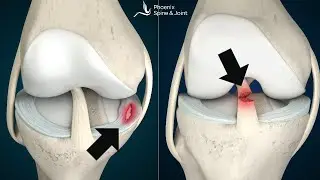
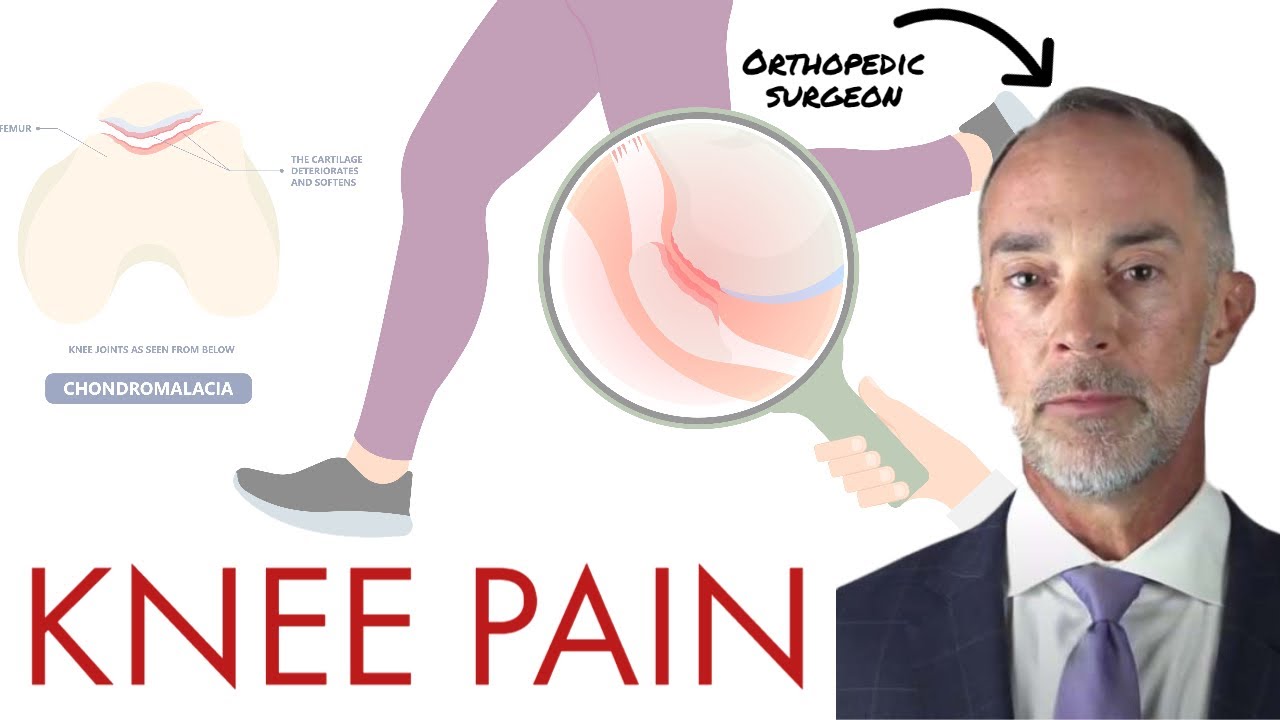
Knee pain due to patellofemoral syndrome, osteoarthritis, chondromalacia: Dr. Eric Eifler, MD
Автор: Best Practice Health
Загружено: 2020-12-09
Просмотров: 6528
Описание:
For more information, visit us at https://phoenixspineandjoint.com/!
Dr. Eric Eifler, MD, follows up on his Runner's world interview this week regarding running with ankle weights.
Dr. Eric Eifler, MD is a board certified orthopedic surgeon who is fellowship trained in sports medicine. Dr. Eifler treats patients with osteoarthritis of the knee, torn meniscus, chondromalacia, sprained knee, patellofemoral pain syndrome, ACL injury, knee pain when bending. Most patients do not require surgery and get knee pain relief after a knee pain diagnosis and conservative knee pain exercises.
What is patellofemoral syndrome?
The patellofemoral syndrome is pain in the front of the knee arising from a problem with the knee cap. The pain is worse when you are active, in particular when walking downhill.
How do you know if you have it?
You should suspect you have patellofemoral syndrome if you have pain in the front of your knee that is worse with activity. If you are safe to take non-steroidal anti-inflammatory medications then you should try t hose first. We recommend everyone who takes NSAIDs just include a daily Prilosec to prevent acid build up and ulcers. If you have severe pain making it hard to walk, knee noise (popping, clicking, catching, or locking up) and swelling then you should go directly to an orthopedic surgeon after one week. Otherwise, if pain persists despite ice and NSAIDS, then see your chiropractor, physical therapist, or primary care doctor.
Does it ever go away by itself? What is the natural history? How long?
Most cases of patellofemoral syndrome will heal up within six weeks without intervention. If you have knee in the front of your knee that persists for six weeks despite conservative measures like NSAIDs and physical therapy then see your chiropractor or primary care doctor for an x-ray of the knee. The x-ray will look for arthritis of the knee and stage the process if it is there. If your pain persists despite these measures and the x-ray confirms the underlying problem is not just arthritis then evaluation by an orthopedic surgeon is the next step.
A board-certified orthopedic surgeon with fellowship training in sport’s medicine is the one most qualified to evaluate your knee pain. During their examination patellofemoral syndrome will present as tenderness to movement of the knee cap, without signs of anterior cruciate ligament (ACL) tear, or a meniscus injury, or diffuse pain in the joint due to arthritis.
Arthroscopic surgery is sometimes needed. How does someone know if they need surgery?
If your evaluation by a board-certified orthopedic surgeon with fellowship training in sports medicine confirms the diagnosis and all other conservative measures (NSAIDs, physical therapy) have failed and the pain is functionally limiting then arthroscopic surgery is indicated. The surgeon removes injured areas of cartilage to make the knee work more smoothly and try to limit further damage.
Are there any clinic trials or experimental treatment for this problem?
There are clinical trials in progress. One approach is to place a scaffold over the injured cartilage in the knee and fill it with stem cells in an attempt to rebuild the cartilage in the area. The second approach is to create a smooth metal implant to replace the injured patches of cartilage in the knee.
Повторяем попытку...
Доступные форматы для скачивания:
Скачать видео
-
Информация по загрузке: