Animals# Waterbuck
Автор: VISIT 25
Загружено: 2025-12-31
Просмотров: 728
Описание:
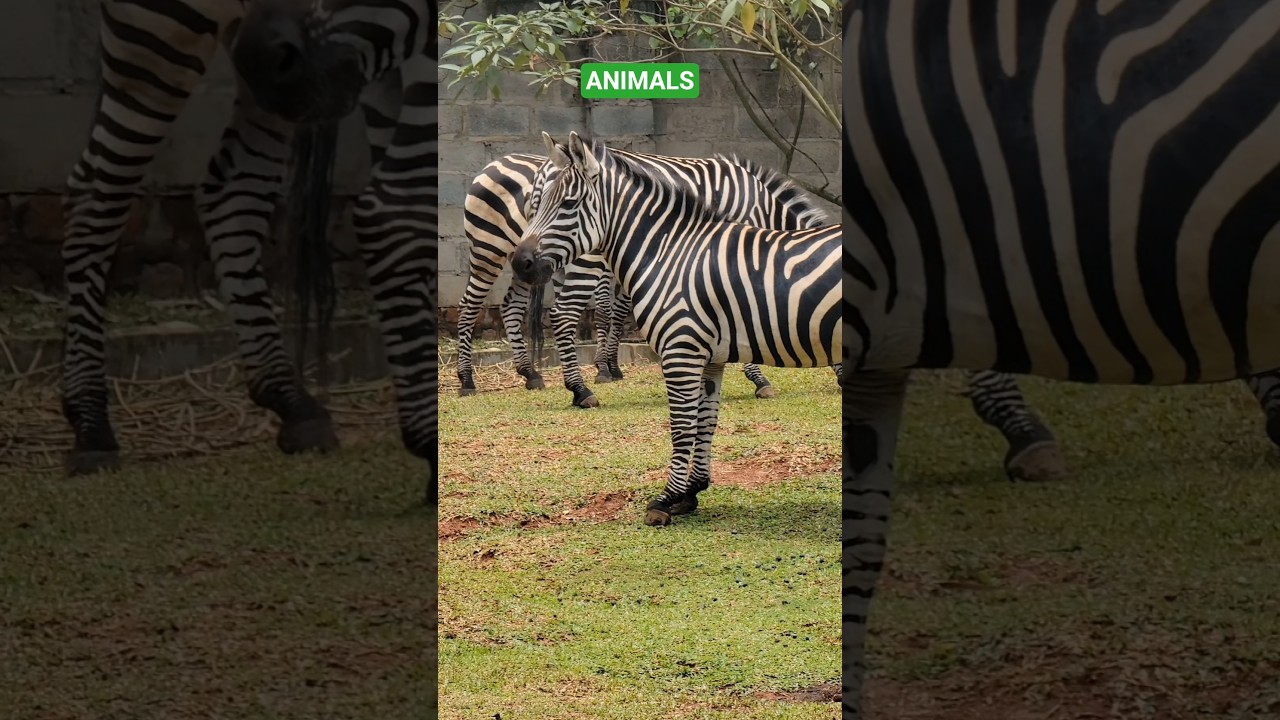
Zebras and waterbucks are graceful African herbivores commonly found near savannas and freshwater sources, where they share open grasslands and riverbanks. Zebras, with their striking black-and-white stripes, move in social herds across the plains, relying on sharp senses and group behavior for protection, while waterbucks, larger and more robust, stay close to water, recognized by their shaggy brown coats and distinctive white markings. Together, they contribute to the balance of the ecosystem by grazing vegetation and supporting predator–prey dynamics in the African landscape.
Zebras and waterbucks are both African herbivores but differ in several ecological and biological aspects. Diet: Zebras mainly graze on short grasses and can survive on coarse vegetation, while waterbucks feed on grasses and leafy plants and depend more on fresh, nutritious forage. Reproduction: Zebras have a gestation period of about 12–13 months and usually give birth to one foal, whereas waterbucks have a gestation period of about 8–9 months and typically produce a single calf. Habitat: Zebras occupy open savannas, grasslands, and plains, often migrating over long distances, while waterbucks prefer grasslands and woodlands close to permanent water sources. Lifespan: Zebras live around 20–25 years in the wild, whereas waterbucks generally live about 15–20 years. Sounds: Zebras communicate using barks, brays, and snorts, while waterbucks are mostly quiet, producing soft grunts or alarm snorts. Young: A baby zebra is called a foal, and a baby waterbuck is called a calf.
Повторяем попытку...
Доступные форматы для скачивания:
Скачать видео
-
Информация по загрузке: