Incoterms 2020 DDP: Spotlight on Delivered Duty Paid
Автор: Shipping Solutions
Загружено: 2024-07-17
Просмотров: 1393
Описание:
There are 11 Incoterms 2020 rules. These globally-recognized trade terms, published by the International Chamber of Commerce, determine how costs and risks are split between buyers and sellers conducting international transactions, and when the risk or liability for the goods transfer from the seller to the buyer. This video explains the Incoterms rule DDP, also known as Delivered Duty Paid.
*************
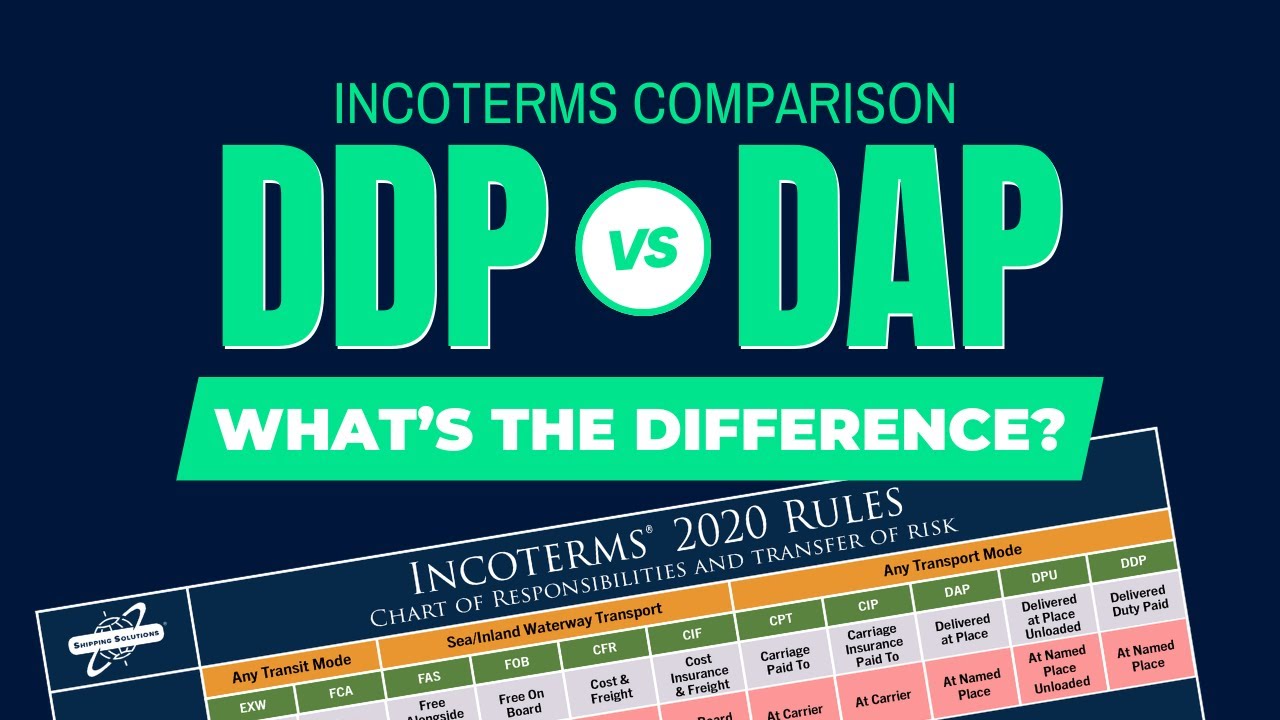
► Incoterms Chart of Responsibilities and Transfer of Risk: https://www.shippingsolutionssoftware...
► An Introduction to Incoterms eBook: https://www.shippingsolutionssoftware...
► Find 100s of articles about various aspects of exporting on Passages: The International Trade Blog: https://www.shippingsolutionssoftware...
**************
Delivered Duty Paid Responsibilities and Risk
Under the Incoterms 2020 rules, DDP puts the maximum risk and responsibility on the seller. It requires the seller to take responsibility for clearing the goods for export, bear all risks and costs associated with delivering the goods, unload goods at the terminal at the named port or place of destination, clear the goods for import clearance and payment, and bring the goods to the place of destination. Risk transfers to the buyer at the destination, so it should be stated clearly and precisely.
DDP can be used for any mode of transport.
Using Delivered Duty Paid
DDP is an extremely risky term for the seller. With DDP, the seller is obliged to clear the goods for both export and import, to pay all import duties as well as required VAT and other taxes, and to execute all customs formalities. If using DDP, the seller may want to consider a slight adjustment to mitigate some of the risk that comes with hard-to-estimate taxes: "DDP (named place of destination) excluding VAT or other taxes."
Sellers may not understand the complex and bureaucratic import clearance procedures that exist in some countries. They may not know how to hire a reputable and competent customs broker in the destination country. They may not know the current import duty rates for their goods or be aware if those duty rates change.
In addition, fulfilling the obligations under DDP may make the seller’s company register in the country of import and may require them to pay corporate income tax. However, not all countries (such as Mexico, for example) allow non-resident importers. In this case, DDP can be especially difficult to use because the seller will need to determine who will be the importer of record—maybe a trading company or the actual buyer.
When using DDP, it's important for the seller to closely control payment terms. The seller may need to outlay money for duties and taxes and could then be stuck waiting to recover those costs.
DDP also has questionable value to importers, since the likelihood of timely delivery of goods depends on the seller successfully navigating the intricacies of the destination country. Exceptions that might make DDP an acceptable Incoterms 2020 rule to use include shipments of replacement parts, low-value shipments, free samples, product literature or other marketing materials, and other instances when the buyer is not an experienced importer.
***************
Chapters
00:00 Introduction
00:45 DDP Responsibilities and Risk
01:22 Using DDP
03:17 Incoterms Chart of Responsibilities
**************
#exportdocumentationsoftware #exportdocuments #usexportinghelp #incoterms2020 #incoterms #DDP #DeliveredDutyPaid #Incoterms2024
***************
Make sure you subscribe to this channel for more practical advice for exporters and importers.
/ @shippingsolutions
***************
Incoterms® and the Incoterms® 2020 logo are trademarks of ICC. Use of these trademarks does not imply association with, approval of or sponsorship by ICC unless specifically stated above. The Incoterms® Rules are protected by copyright owned by ICC.
Повторяем попытку...
Доступные форматы для скачивания:
Скачать видео
-
Информация по загрузке: