Ventricular Septal Defect (VSD) | Hole in the Heart Explained | VSD Animation | Swasth Hriday
Автор: Swasth Hriday
Загружено: 2025-06-22
Просмотров: 318
Описание:
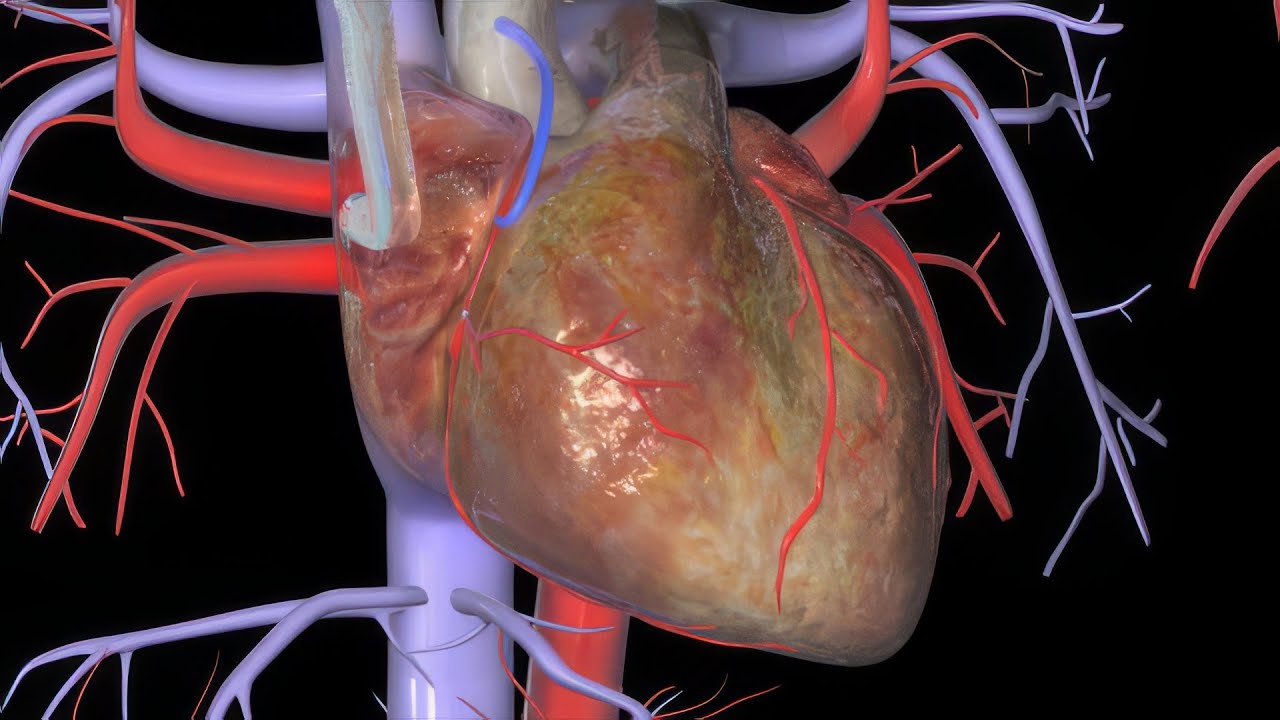
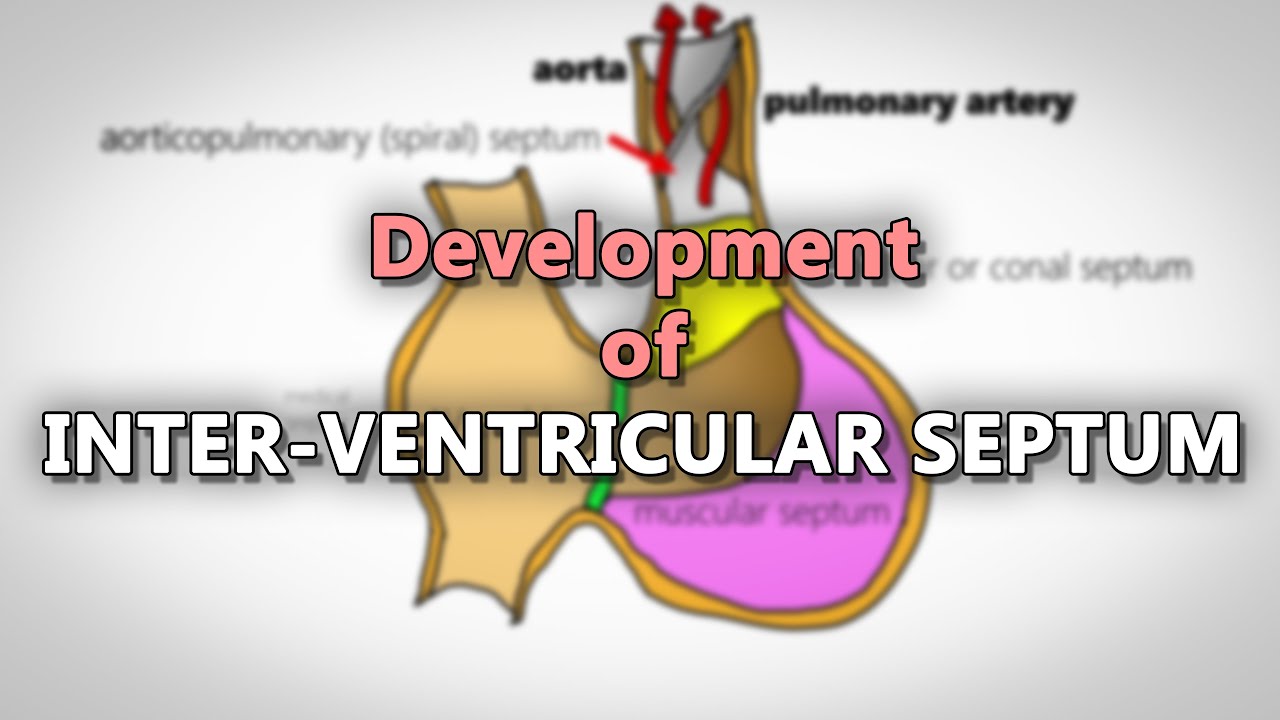
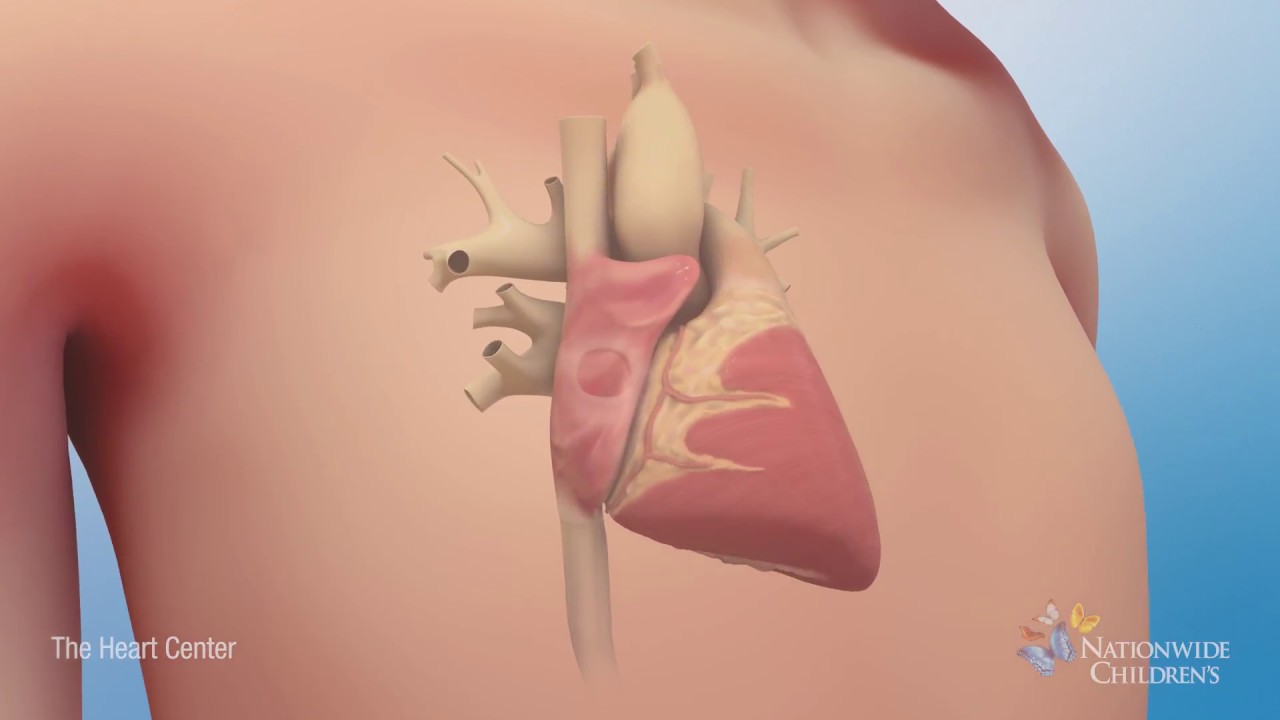
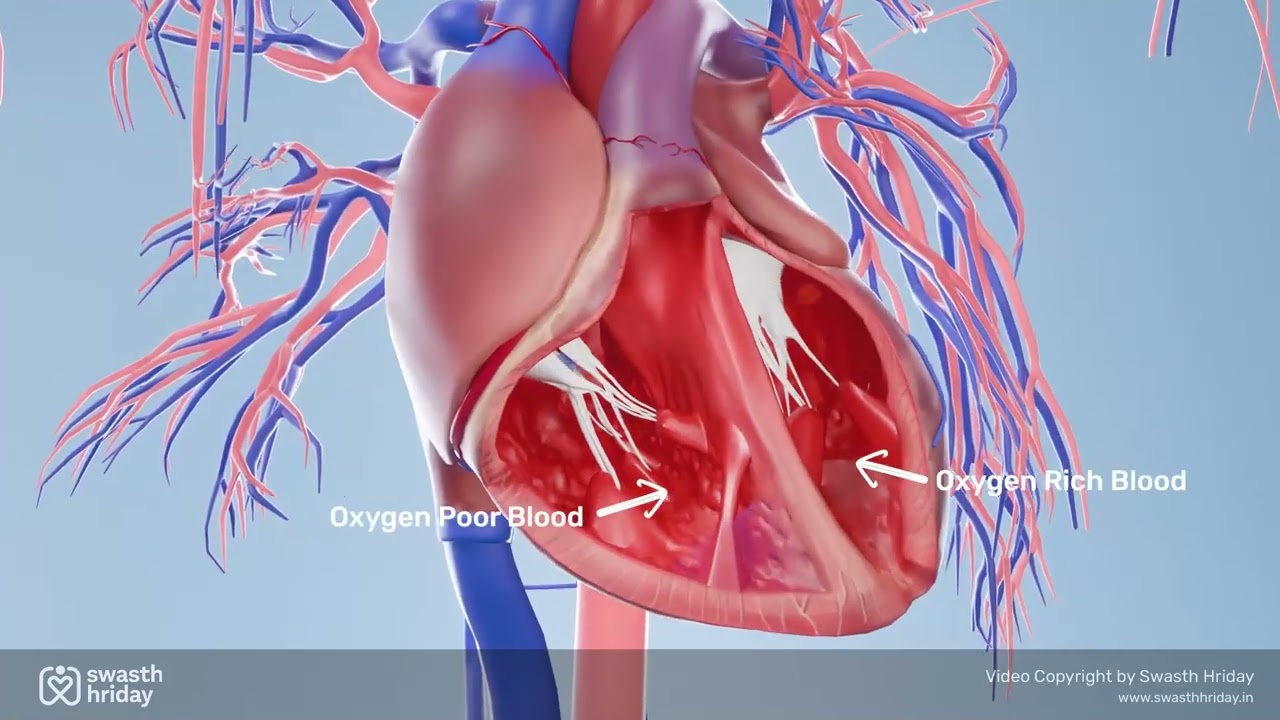
A Ventricular Septal Defect (VSD) is a hole in the wall (septum) between the two lower chambers of the heart (ventricles). It is one of the most common congenital heart defects, especially in newborns and infants.
🫀 What Happens in VSD?
Blood from the left ventricle (oxygen-rich) flows into the right ventricle (oxygen-poor)
This causes increased blood flow to the lungs and extra work for the heart
If large or untreated, it may lead to heart failure or pulmonary hypertension
🔍 Types of VSD:
Perimembranous (most common)
Muscular
Inlet
Outlet (infundibular)
📉 Symptoms of Moderate to Large VSDs:
Poor weight gain in infants
Fast breathing or breathlessness
Sweating during feeding
Frequent respiratory infections
Fatigue or irritability
🩺 Diagnosis Includes:
Echocardiogram (Echo) – main diagnostic tool
ECG
Chest X-ray
Cardiac MRI or catheterization (if needed)
💊 Treatment Depends on Severity:
Small VSDs may close on their own
Medications to control symptoms (diuretics, ACE inhibitors)
Surgical repair or catheter-based closure for large or symptomatic defects
Lifelong monitoring for complications like arrhythmias or valve issues
💡 Early detection and appropriate treatment allow children with VSD to lead normal, healthy lives.
#VentricularSeptalDefect #VSD #HoleInHeart #SwasthHriday #CongenitalHeartDefect #PediatricCardiology #HeartHealthAwareness #KnowYourHeart #CardiacCare #ChildHeartCare
Повторяем попытку...
Доступные форматы для скачивания:
Скачать видео
-
Информация по загрузке: