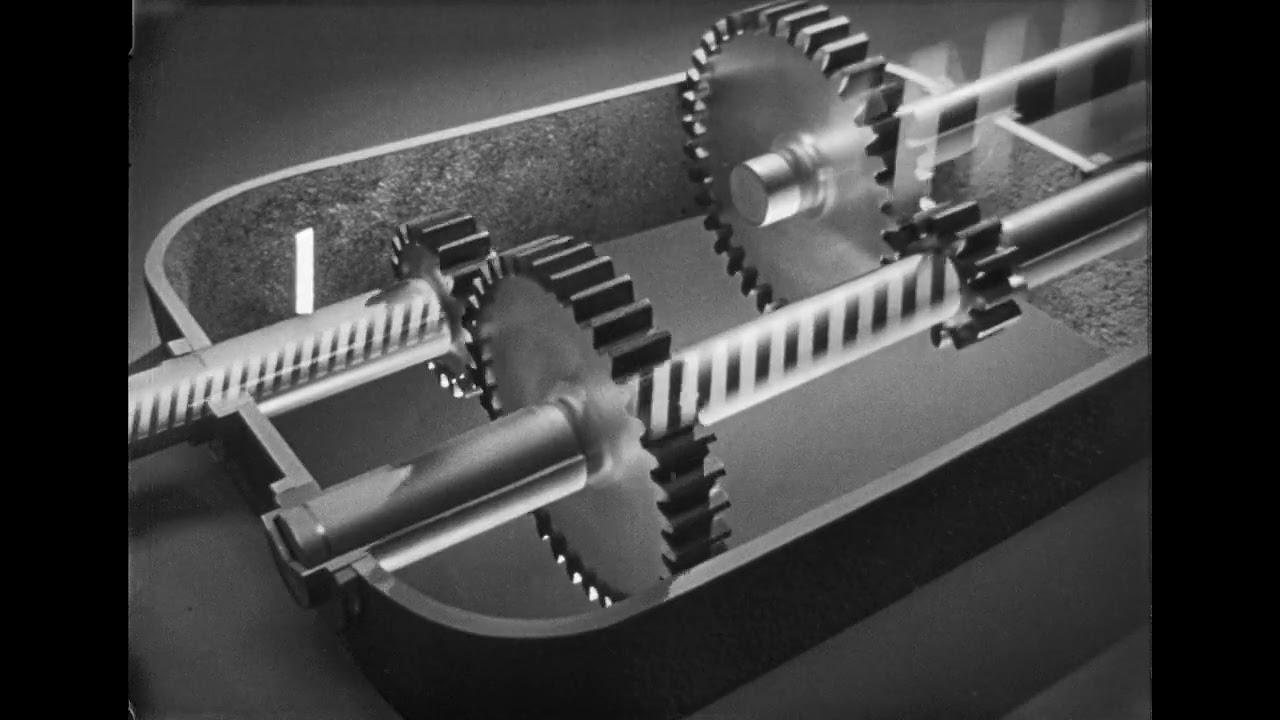
02.07.2022 LMP2 European Le Mans Series ELMS - Autodromo Nazionale Monza - Inter Europol Competition
Автор: Tomasz EssiRS
Загружено: 2023-04-17
Просмотров: 34
Описание:
European Le Mans Series
From Wikipedia, the free encyclopedia
For the unrelated series organised by IMSA, see 2001 European Le Mans Series.
This article needs additional citations for verification. Please help improve this article by adding citations to reliable sources. Unsourced material may be challenged and removed.
Find sources: "European Le Mans Series" – news · newspapers · books · scholar · JSTOR (September 2014) (Learn how and when to remove this template message)
European Le Mans SeriesELMS logo.png
Category Endurance racing
Region Europe
Inaugural season 2004
Prototype Classes LMP2, LMP2 Pro-Am, LMP3
GT Classes LMGTE
Tyre suppliers Goodyear, Michelin
Drivers' champion LMP2:
Switzerland Louis Delétraz
Austria Ferdinand Habsburg
LMP2 Pro-Am:
Republic of Ireland Charlie Eastwood
Turkey Salih Yoluç
LMP3:
United Kingdom Mike Benham
Denmark Malthe Jakobsen
United States Maurice Smith
LMGTE:
Italy Gianmaria Bruni
Italy Lorenzo Ferrari
Germany Christian Ried
Teams' champion LMP2: Italy Prema Racing
LMP2 Pro-Am: Turkey Racing Team Turkey
LMP3: Switzerland Cool Racing
LMGTE: Germany Proton Competition
Official website europeanlemansseries.com
Motorsport current event.svg Current season
The European Le Mans Series (abbreviated as ELMS) is a European sports car racing endurance series inspired by the 24 Hours of Le Mans race and organized by the Automobile Club de l'Ouest (ACO). The European Le Mans Series is similar to the former American Le Mans Series (ALMS) based in the United States and Canada that was running with ACO and IMSA between 1999 and 2013. ELMS team champions and runners-up receive an automatic entry to the following year's 24 Hours of Le Mans. Originally titled the Le Mans Endurance Series before becoming simply the Le Mans Series in 2006, the series was renamed once more in 2012, reusing a name previously utilized by IMSA in 2001.
Le Mans Endurance Series logo used in the 2004 & 2005 year seasons
Le Mans Series logo used in from 2006 until the end of the 2011 Le Mans Series season
European Le Mans Series logo used from 2012 until the end of the 2017 year season
History
When he was allowed to bring the rules and racing formulae of the 24 Hours of Le Mans to North America with the creation of the Petit Le Mans in 1998, Don Panoz attempted to build a series inspired by the Petit Le Mans. The aged IMSA GT Championship was taken over and became the new American Le Mans Series, and met with much success in 1999.
Europe had lacked a major sports prototype series since the demise of the World Sportscar Championship in 1992. Following the success of the ALMS, Panoz attempting to bring sports prototype racing back to Europe. This led to the 2000 American Le Mans Series season, which included two races in Europe as the Nürburgring and Silverstone Circuit, as well as a round in Australia. These races would serve as a precursor to what would become the separate European Le Mans Series in 2001.
The European Le Mans Series was launched for 2001 with five races, including a premier 1000 km race at Estoril, which would be the European equivalent of the 1000 mile Petit Le Mans and earn automatic entries to the 24 Hours of Le Mans for each class winner.
To aid in the development of the ELMS, the 2001 season shared some races between both ALMS and ELMS. The 12 Hours of Sebring and Petit Le Mans, normally ALMS races, were considered optional races for ELMS teams. At the same time, the ELMS races at Donington Park and Jarama were considered optional for ALMS teams. This allowed for the possibility of boosting the draw from international teams to either series.
The series was unable to earn much attention from European sportscar teams, especially since the final FIA Sportscar Championship and FIA GT Championship series used similar cars, but different rules which would require teams to modify their cars or buy new cars to comply with ELMS rules. For the ELMS events that included ALMS teams, very few teams actually bothered to make the trip across the Atlantic to participate in races that appeared to have very few serious competitors. Thus the entry lists for each race fell from 25 at the beginning of the season to a mere 14 at season's end, with some classes only having one or two competitors.
With a lack of involvement from teams, and less interest from the media due to the lack of teams, the European Le Mans Series folded following the 2001 season.
The ACO was not completely satisfied with the fact that IMSA did not fully comply with the ACO's regulations in order to help attract privateer teams, as well as the failure of the FIA Sportscar Championship to succeed in Europe. Seeing the success of the American Le Mans Series, the ACO decided that a series run by themselves would be a better alternative for Europe. The ACO would instead attempt to attract factory backed teams with longer endurance races than ALMS and FIA SCC ran.
Повторяем попытку...
Доступные форматы для скачивания:
Скачать видео
-
Информация по загрузке:










![Эффект Джанибекова [Veritasium]](https://imager.clipsaver.ru/N9HlQ-XVnFk/max.jpg)