Finance Theory — 18.1: Payback Period
Автор: Ludium
Загружено: 2026-02-20
Просмотров: 4
Описание:
The payback period is one of the most widely used capital budgeting tools — over 80% of large U.S. firms rely on it. But it carries four fundamental flaws that can lead to value-destroying decisions. This video walks through the payback period method, its formal definition, and a detailed numerical example showing exactly how it can mislead investors when compared to net present value (NPV).
Key concepts covered:
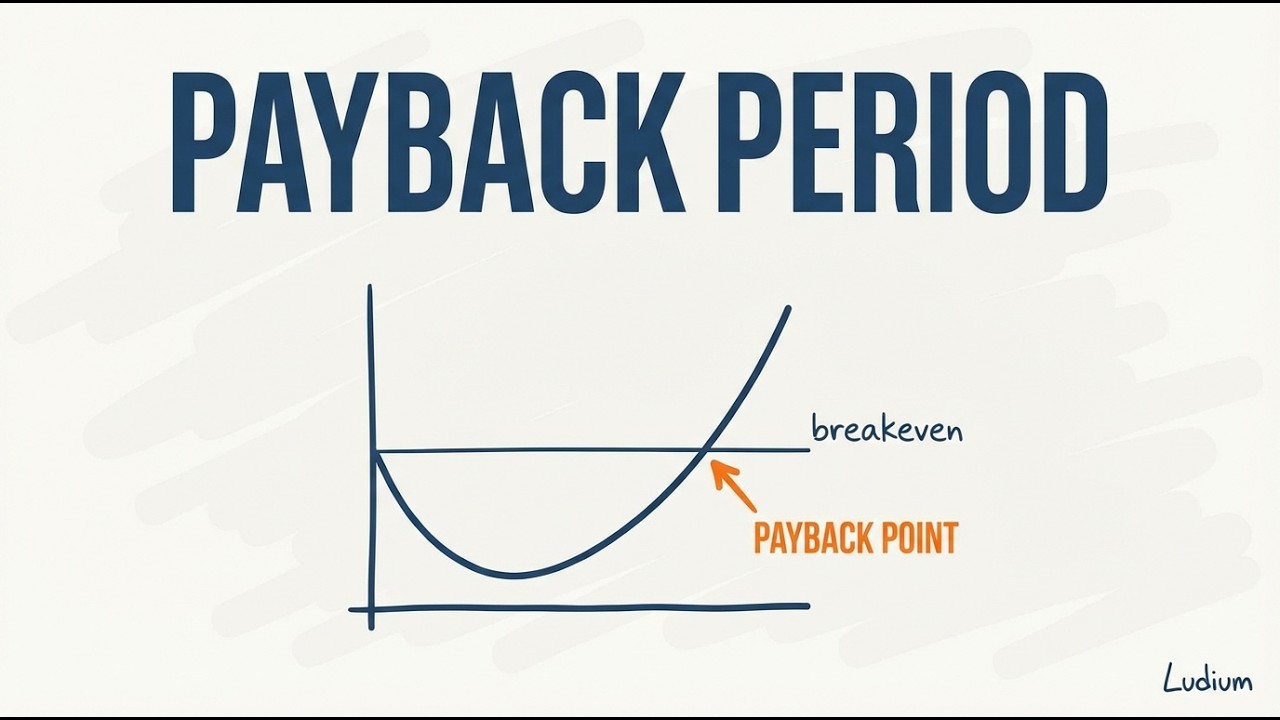
• Payback period definition: the smallest number of periods k such that cumulative cash flows equal or exceed the initial investment
• Flaw 1: Ignores the time value of money (the pounds-to-yen analogy)
• Flaw 2: Ignores all cash flows after the cutoff date
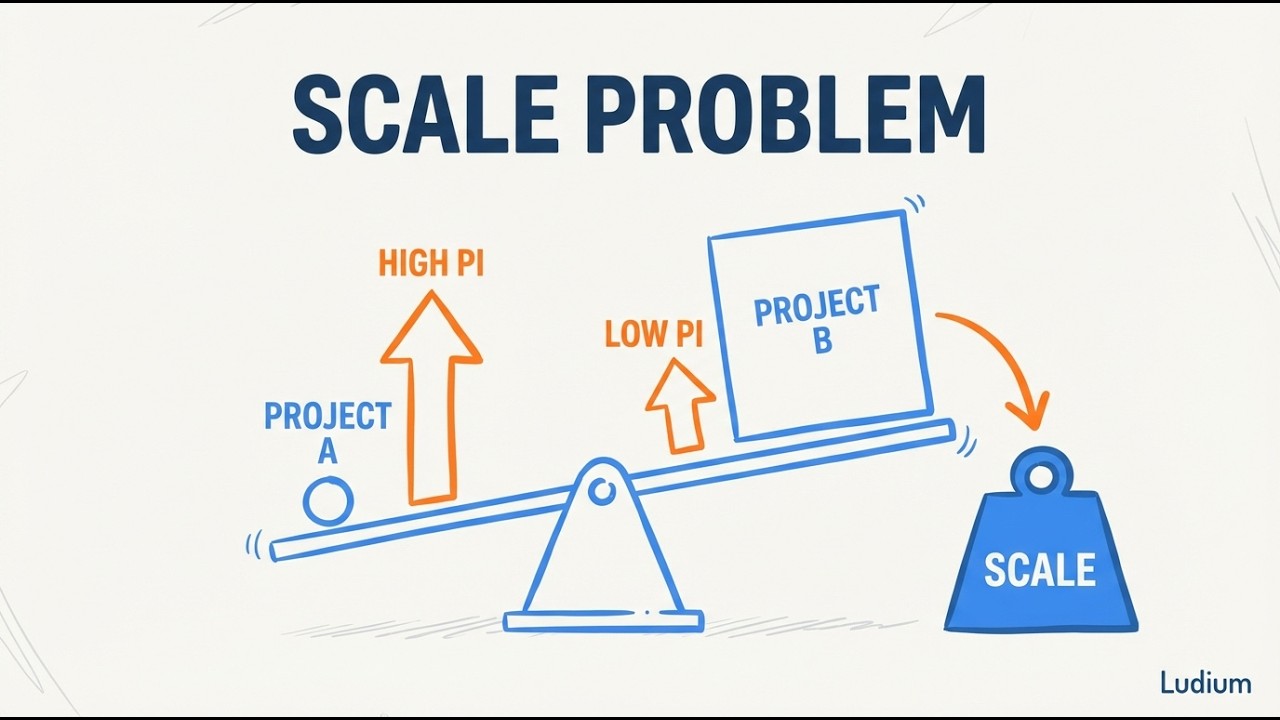
• Flaw 3: Ignores project scale (a $100 project vs. a $100 million project can show the same payback)
• Flaw 4: Ignores risk differences between projects
• The Year 3 Disaster example: payback of 2 years but NPV of negative $1,461
• Discounted payback as a partial fix — corrects for time value but still blind to post-cutoff flows
• Why payback persists: cultural inertia, implicit uncertainty adjustment, and liquidity concerns (Graham and Harvey CFO survey data)
• The special case where payback and NPV agree: level (constant) cash flows with similar risk profiles
• Side-by-side decision exercise: two projects with identical 3-year payback but NPV of positive $8,000 vs. negative $1,200
• Three common misconceptions debunked
• The bottom line: payback answers "how fast do I get my money back?" but NPV answers "does this create value?"
━━━━━━━━━━━━━━━━━━━━━━━━
SOURCE MATERIALS
The source materials for this video are from • Ses 18: Capital Budgeting II & Efficient M...
Повторяем попытку...
Доступные форматы для скачивания:
Скачать видео
-
Информация по загрузке: