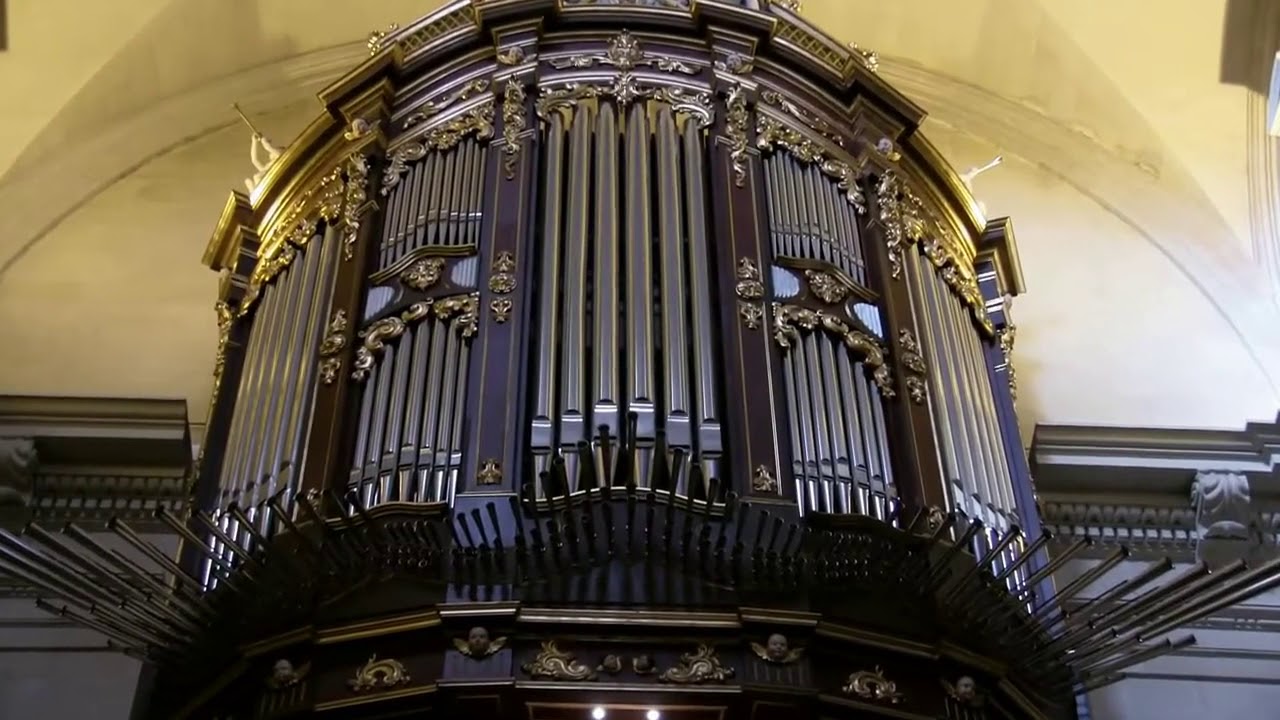
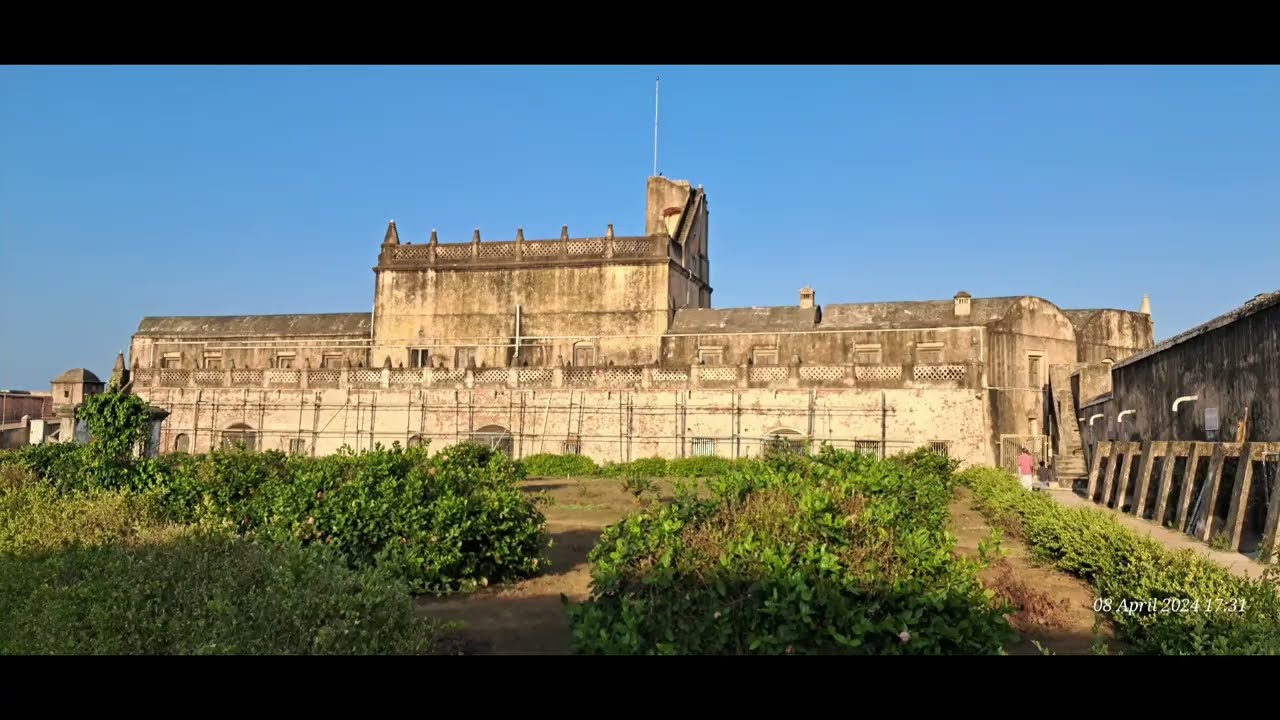
Tranquebar Danish Fort I Music Arr. by Mr. Johnson - Organist in TELC Salvation Church Madurai
Автор: Tamil Lutheran Hymns
Загружено: 2024-04-16
Просмотров: 309
Описание:
#TELC #printingpress #tranquebarfort #danishfort #danish #gnanapattu
The 16th century saw the rise of Protestantism and an explosion of translations of the New (and Old) Testament into the vernacular. After all this time spent in blood-wrenching and sweat-drenching scholarship, Ziegenbalg wrote numerous texts in Tamil, for dissemination among Hindus. He was fully conscious of the importance of print in the history of the Protestant Church.
He commenced his undertaking of translating the New Testament in 1708 and completed it in 1711, though printing was delayed till 1714, because of Ziegenbalg's insistent, perfectionist revisions. Stephen Neill comments, "Only rarely has the first translation of Scripture in a new language been found acceptable. Ziegenbalg’s achievement was considerable; for the first time the entire New Testament had been made available in an Indian language. But from the start, Ziegenbalg’s work was exposed to criticism on a variety of grounds" and that Johann Fabricius’ update on the pioneering text was so clearly superior, "before long the older version ceased to be used."
It was obvious to Ziegenbalg that without a printing press all his effort would come to nought. Possibly as early as 1709, he requested a printing press from Denmark. The Danes forwarded the appeal to London to the Society for Promoting Christian Knowledge. The SPCK, not allowed a foothold in India by the East India Company's merchants, was only too eager to help and in 1712 shipped out to the Tranquebar Mission a printing press with type, paper, ink, and a printer. Ziegenbalg was also hindered by delays in the construction of a suitable Tamil typeface for his purposes.[11]
Tomb of Bartholomäus Ziegenbalg
In a letter dated 7/4/1713 to George Lewis, the Anglican chaplain at Madras, and first printed in Portuguese, on the press the mission had recently received from the Society, for Promoting Christian Knowledge, Ziegenbalg writes: "We may remember on this Occasion, how much the Art of Printing contributed to the Manifestation of divine Truths, and the spreading of Books for that End, at the Time of the happy Reformation, which we read of in History, with Thanksgiving to Almighty God."[12]
Following this, he began translating the Old Testament, building "himself a little house in a quiet area away from the centre of the town, where he could pursue tranquilly what he regarded as the most important work of all. On 28 September 1714, he reports to Francke that the book Exodus has now been completed. At the time of his death, he had continued the work up to the Book of Ruth."[13]
Other works
Ziegenbalg compiled the Tamil-language Bhakti poetry, aiming to promote a better understanding of the natives among the Europeans. However, when he sent these volumes to Halle for publication, his mentor wrote that the duty of the missionaries was "to extirpate heathenism, and not to spread heathenish nonsense in Europe".[14]
S. Muthiah in his fond remembrance ("The Legacy that Ziegenbalg left[usurped]") ends with an inventory of the man's lesser-known works: "Apart from the numerous Tamil translations of Christian publications he made, he wrote several books and booklets that could be described as being Indological in nature. He also had the press printing educational material of a more general nature. As early as 1708, he had compiled his Bibliothece Malabarke, listing the 161 Tamil books he had read and describing their content. In 1713, in Biblia Tamulica he expanded this bibliography. Also in 1713, the press produced what was perhaps the first Almanac to be printed in India. Then, in 1716, there appeared what was probably the first book printed in Asia in English, A Guide to the English Tongue, by Thomas Dyche. The next year, the press printed an A.B.C. (in Portuguese) for schools in the English territories. What did not get printed in Tranquebar were Ziegenbalg's Indological writings. In fact, his works like Nidiwunpa ( Moral Quartrains), Kondei Wenden (a Tamil ethics text), Ulaga Nidi (World Moral, Tamil), and his books on Hinduism and Islam were printed only 150-250 years later in Europe and Madras."
Повторяем попытку...
Доступные форматы для скачивания:
Скачать видео
-
Информация по загрузке: