When Communist Allies Aimed Nuclear Weapons at Each Other — Sino-Soviet Crisis, 1969
Автор: 60 Seconds of Chaos
Загружено: 2026-03-23
Просмотров: 12
Описание:
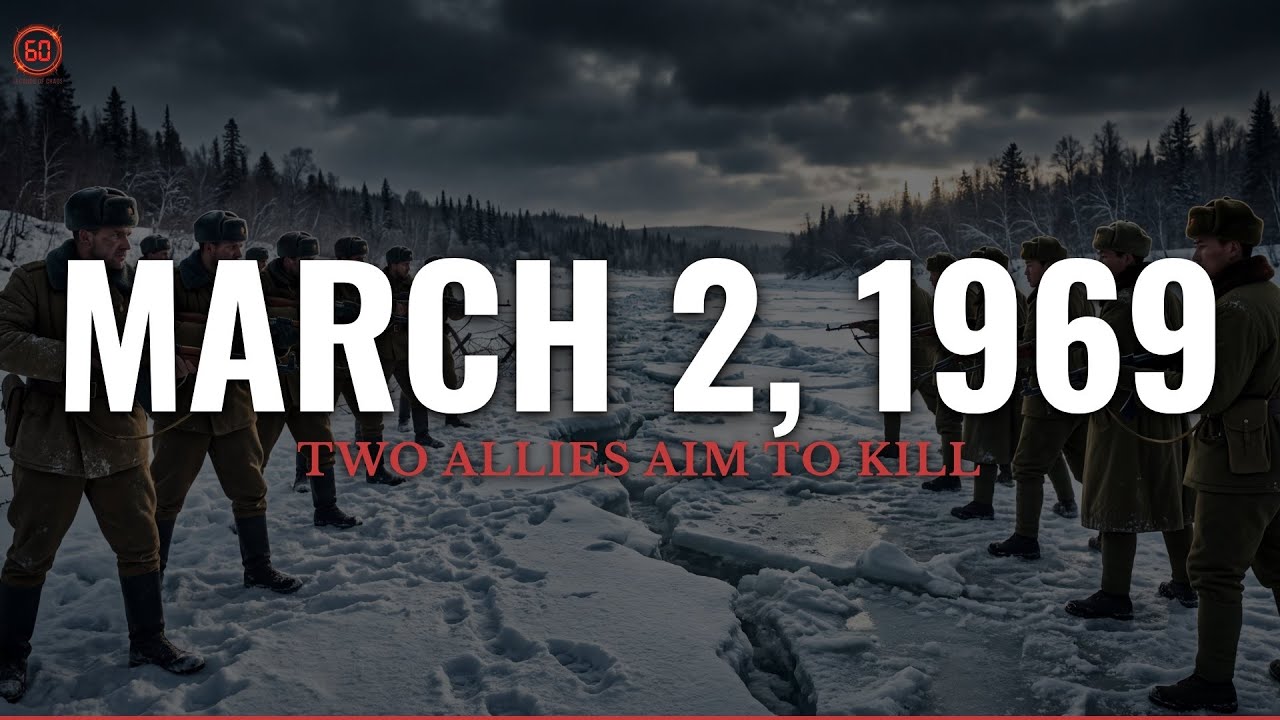
On March 2, 1969, Chinese soldiers ambushed a Soviet border patrol on a frozen island in the Ussuri River. Temperatures had dropped to minus 30 degrees Fahrenheit. Within six months, the Soviet Union was seriously debating a nuclear first strike against China. Zhou Enlai evacuated the entire Chinese leadership from Beijing. And the most unlikely diplomatic reversal of the Cold War began — not between enemies, but between two nations that once called each other comrade.
The Sino-Soviet border crisis is one of the least understood nuclear confrontations of the 20th century. The Soviet Union had 40,000 nuclear warheads. China had perhaps a dozen. Marshal Grechko argued for a preemptive strike on China's nuclear facilities at Lop Nur. Soviet diplomats quietly asked the United States how Washington would react if Moscow attacked Chinese nuclear installations. The question landed on Henry Kissinger's desk like a grenade.
This documentary traces the crisis from the ideological fracture of the 1950s through the ambush at Zhenbao Island, the Soviet nuclear deliberations, China's massive civil defense mobilization, and the airport meeting between Kosygin and Zhou Enlai that pulled both nations back from the brink. The tunnels beneath Beijing are still there — a silent monument to the months when a nation prepared to be erased.
Chapters:
00:00 Intro
01:31 The Fracture
03:26 The Ambush
05:17 Escalation
06:56 The Nuclear Question
08:43 The American Response
10:13 A Nation Digs
12:02 The Airport Meeting
13:45 The Long Shadow
#ColdWar #NuclearWar #SinoSoviet #MilitaryHistory #ChinaRussia
Chapters:
00:00 Intro
01:31 The Fracture
03:26 The Ambush
05:17 Escalation
06:56 The Nuclear Question
08:43 The American Response
10:13 A Nation Digs
12:02 The Airport Meeting
13:45 The Long Shadow
Повторяем попытку...
Доступные форматы для скачивания:
Скачать видео
-
Информация по загрузке: