Toxins Rewrite Your Genes (And Trigger Brain Disease) | Dr. Sarah Marzi
Автор: DavidPerlmutterMD
Загружено: 2026-02-17
Просмотров: 2707
Описание:
🧠 Stay ahead with the latest in science, nutrition, and wellness by subscribing to Dr. Perlmutter’s newsletter at: www.drperlmutter.com. ✉️🌱
Thank you to our sponsors:
EVY - https://www.optoceutics.com/perlmutter
and the code perlmutter26 will be auto-applied to your order to get $200 off & free shipping (90 days risk-free).
Fresh Pressed Olive Oil - https://www.getfresh389.com
For a complimentary bottle of one of the greatest olive oils I've ever discovered.
3x4 Genetics - http://3x4genetics.com/DrPerlmutter
for a special offer when you sign up to decode your genetics and get personalized, science-backed health recommendations.
====
Dr. Perlmutter’s groundbreaking new book, Brain Defenders, is now available for pre-order. Discover how to protect your brain and future health - reserve your copy today at https://www.braindefenders.com.
====
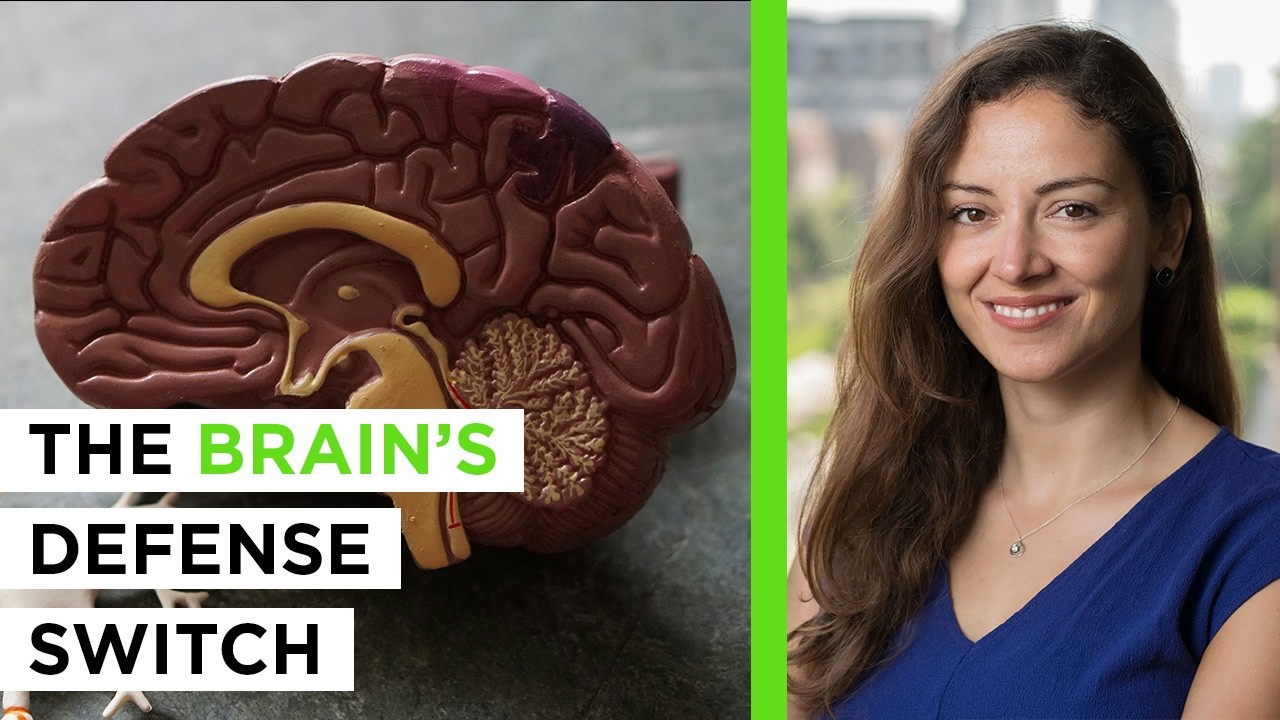
On this episode of The Empowering Neurologist, I’m joined by Dr. Sarah Marzi, a neuroscientist at King’s College London and a principal investigator at the UK Dementia Research Institute, whose work is transforming how we understand neurodegenerative disease risk.
Dr. Marzi’s research focuses on gene regulation in the human brain, particularly within microglia, the immune cells that orchestrate inflammation, synaptic pruning, and repair. Her studies show that genetic risk for diseases like Alzheimer’s is concentrated not in protein-coding genes, but in regulatory regions of the genome, epigenetic switches that control immune behavior in the brain.
In Alzheimer’s disease, her lab has demonstrated how different APOE genotypes fundamentally reprogram microglial states, altering inflammation, phagocytosis, migration, and immune signaling. Using human microglia transplanted into mouse models, her work reveals why APOE4 drives a more inflammatory, less protective microglial response, while APOE2 supports resilience and repair.
This conversation with Dr. Marzi is not just about disease. It’s about agency. Understanding epigenetics helps explain how lifestyle, environment, and immune balance can influence brain destiny. It’s science that empowers prevention, resilience, and hope.
====
00:00 Intro
03:12 Epigenetics and Neurodegenerative Disease
04:49 Why Alzheimer’s Is Not a Single Gene Disorder
09:18 Protein Aggregation and Brain Cleanup Failure
10:55 Microglia vs Neurons in Alzheimer’s
19:04 Blood Brain Barrier and Inflammatory Signaling
20:39 ApoE Genetics Explained
23:37 Human Microglia Transplanted Into Mouse Brain
30:02 Vitamin D Receptor and Protective Gene Programs
38:18 Environmental Toxins and Parkinson’s
44:59 C1q Activation and Synapse Loss
49:33 Why Substantia Nigra Is Uniquely Vulnerable
51:39 Paraquat, Mitochondria and Converging Toxic Pathways
53:00 Epigenetic Memory of Toxic Exposure
54:09 Histones and Gene Regulation in Alzheimer’s
57:41 Oligodendrocytes as a Hidden Player
59:32 Why Single Target Drugs May Fail
01:02:10 Detecting Disease Through Blood and Machine Learning
01:04:41 Can Lifestyle Modify Epigenetics
====
Dr Sarah Marzi is a Senior Lecturer in Neuroscience at King’s College London and a Group Leader at the UK Dementia Research Institute. Her work focuses on how our genes and environment change cellular processes in the brain and can predispose us to neurodegenerative diseases such as Alzheimer’s, Parkinson’s and motor neuron disease.
An expert in epigenetics – the chemical switches that turn genes on and off – Dr Marzi uses cuttingedge genomic techniques on human brain tissue as well as cell and animal models. Her team combines these experiments with advanced statistics, bioinformatics and AI to map the earliest molecular changes that make brain cells vulnerable to disease, particularly in immune cells of the brain called microglia. This work aims to reveal how both genetic variants and environmental exposures, including pesticides, contribute to disease risk and to uncover new avenues for therapy.
Her research has helped show that genetic risk for brain disorders is concentrated in specific regulatory regions of the genome and that there is widespread disruption of key epigenetic marks in Alzheimer’s disease, reshaping how scientists think about “noncoding” DNA in brain health and disease.
___________________________
Instagram: / davidperlmutter
Website: https://www.drperlmutter.com/
Subscribe to our channel:
/ @davidperlmuttermd
Повторяем попытку...
Доступные форматы для скачивания:
Скачать видео
-
Информация по загрузке: