Gold Panning – Science Behind the Swirl
Автор: Aurum Meum AI Academy
Загружено: 2025-09-05
Просмотров: 1104
Описание:
🥄 Panning – Science Behind the Swirl
Gold panning is one of the oldest and simplest methods of recovering placer gold, but behind the swirl of a pan lies real science. Episode 11 of Gold Prospecting & Recovery – Field to Furnace breaks down why gold settles in a pan, how density controls separation, and why panning remains the universal starting point for prospectors around the world.
⸻
🔍 Why Panning Works
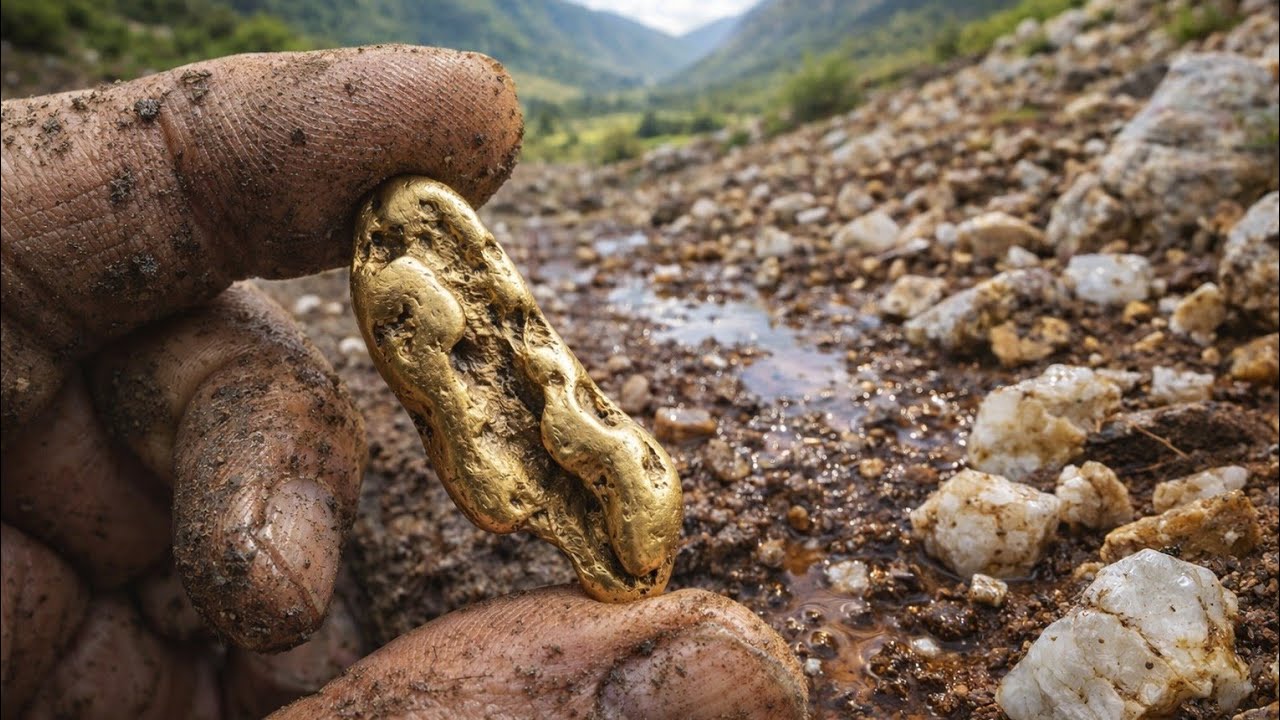
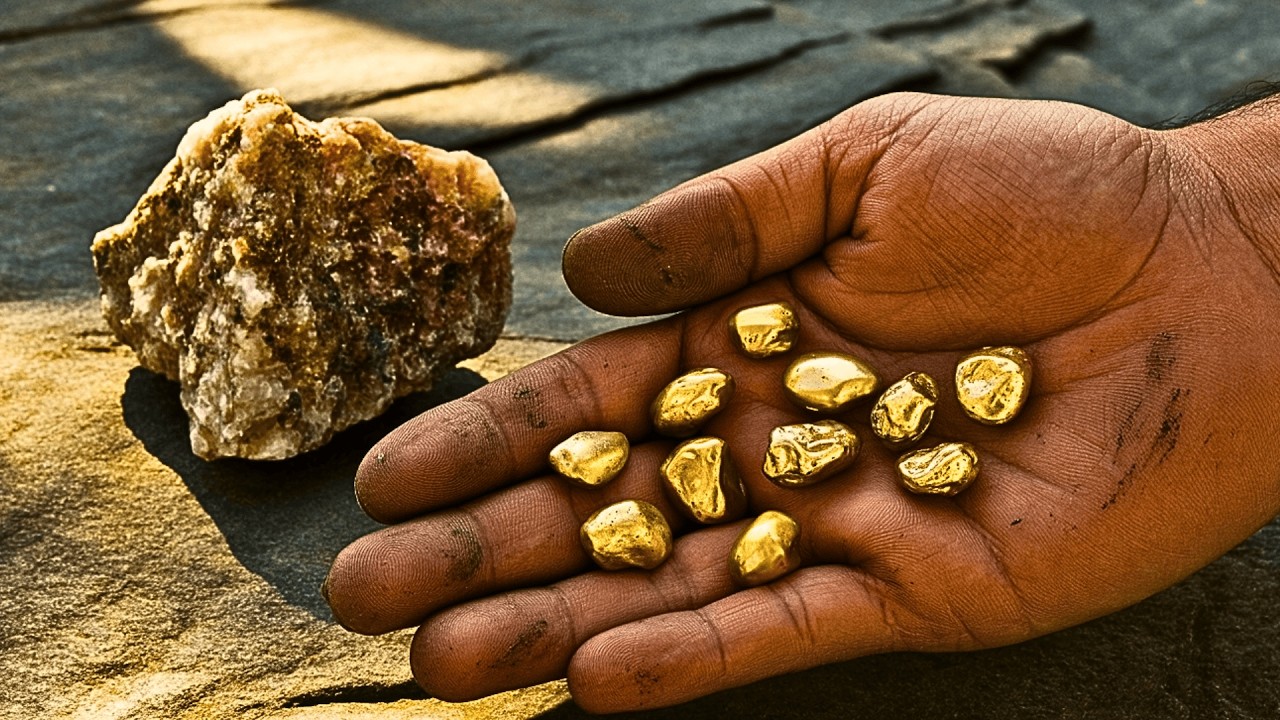
At first glance, panning looks like luck. But the reason it works is simple: specific gravity. Gold has a density of about 19.3 g/cm³, far heavier than quartz (2.7) or feldspar (2.6). Even black sands like magnetite (5.0) are much lighter by comparison.
When you agitate a pan filled with water, gold quickly sinks to the bottom. By tilting and washing, lighter sands are swept away, leaving gold behind. This makes panning both a separation technique and a field test — if gold is present, the pan will reveal it.
⸻
⚖️ The Process of Stratification
The secret to successful panning is stratification, the natural sorting of particles by density and size.
• Shaking: Moves heavier particles, including gold, downward.
• Tilting: Allows water to carry away lighter materials like silt and clay.
• Repeating: Each cycle removes more waste, concentrating heavy minerals.
Black sands, composed of magnetite and ilmenite, often remain with gold because of their high density. Careful washing is needed to separate them.
⸻
🧪 Science Meets Practice
Panning is not just for hobbyists. Geologists and exploration companies use it as a geochemical sampling tool. By panning sediments, they can detect gold and pathfinder minerals in streams, guiding further exploration. Even in large mining districts, pan concentrates often provide the first clue to a deposit.
For small-scale miners and prospectors, panning is equally powerful:
• Low Cost: Requires no heavy equipment.
• Portability: A pan can be carried anywhere.
• Efficiency: Reveals gold even in very small amounts.
⸻
🌍 Global Examples
• California Gold Rush (1849): Prospectors first discovered gold in the Sierra Nevada using pans.
• Klondike (1896): Panning gravels along creeks like Bonanza and Eldorado started the rush.
• Modern Exploration: Across Africa, South America, and Asia, panning remains a vital method for artisanal miners.
In each case, a simple pan became the gateway to major discoveries.
⸻
🛠️ Tips for Better Panning
• Classify Gravels: Remove large rocks before panning for smoother separation.
• Use Proper Technique: Gentle shaking followed by careful washing prevents losing fine gold.
• Watch Black Sands: Their presence often signals gold-bearing ground.
• Practice Patience: Fine “flour gold” takes time to reveal but can still be valuable in quantity.
⸻
🔮 Why Panning Still Matters
Despite modern equipment like dredges and sluice boxes, gold panning hasn’t disappeared. It remains the universal skill every prospector should master. From testing samples in the field to teaching beginners, panning connects geology, physics, and history in one simple motion.
⸻
📌 Key Takeaways
• Gold panning works because gold is nearly 19 times heavier than water.
• Stratification separates materials by density, concentrating gold at the bottom.
• Black sands are heavy companions that require patience to clean out.
• Panning is both a prospecting tool and a scientific sampling method.
• It remains the most iconic and accessible gold recovery technique worldwide.
⸻
🔗 Related Episodes
1. Reading Rivers – Spotting Placer Traps
2. Gold in Black Sands
3. Where Placer Gold Collects
4. Sluice Boxes – How Riffles Trap Gold
5. Gold Recovery Rates
⸻
✅ SEO Keywords: gold panning science, how gold panning works, stratification gold pan, black sands panning, flour gold recovery, gold pan technique, beginner gold prospecting.
Повторяем попытку...

Доступные форматы для скачивания:
Скачать видео
-
Информация по загрузке: