US Has 48 Missiles That Can Stop Hypersonic Nukes
Автор: Battlefield Insights
Загружено: 2026-02-14
Просмотров: 968
Описание:
The US built missiles specifically to intercept hypersonic nuclear warheads in space. There are only 48 of them. Here's how they work and why that's both impressive and concerning.
THE GROUND BASED INTERCEPTOR
It's a three-stage rocket that launches from silos in Alaska and California. Takes about 15 minutes to reach space after launch. Final stage releases a "kill vehicle" that hunts down incoming warheads.
Specs:
Height: 60+ feet
Weight: 30 tons
Stages: 3 (all drop off sequentially)
Kill vehicle: Size of a trash can, packed with sensors
Cost: $75 million per missile
Launch cost: $100+ million total
WHERE THEY'RE LOCATED
Fort Greely, Alaska: 44 interceptors
Vandenberg Space Force Base, California: 4 interceptors
Total: 48
Why Alaska? Shortest path to intercept ICBMs coming from Russia or North Korea. Geographic advantage.
HOW IT WORKS
1. Enemy launches ICBM (detected by satellites immediately)
2. US launches Ground Based Interceptor within minutes
3. Three stages fire, getting the kill vehicle into space
4. Kill vehicle separates and uses infrared sensors to find warhead
5. Small thrusters steer it toward collision course
6. Impact at 20,000+ mph destroys both the kill vehicle and warhead
7. No explosives needed - pure kinetic energy does the job
The whole process from enemy launch to intercept takes about 20-30 minutes.
WHY IT'S HARD
Hitting a bullet with a bullet is the analogy everyone uses. But it's worse than that.
The enemy warhead is traveling at Mach 20+ (15,000 mph)
The kill vehicle is also moving at similar speed
Both are in space (no air means no aerodynamic steering)
Closing speed can be 30,000+ mph combined
Target is small (warhead is only a few feet across)
Happens in vacuum of space with no atmosphere
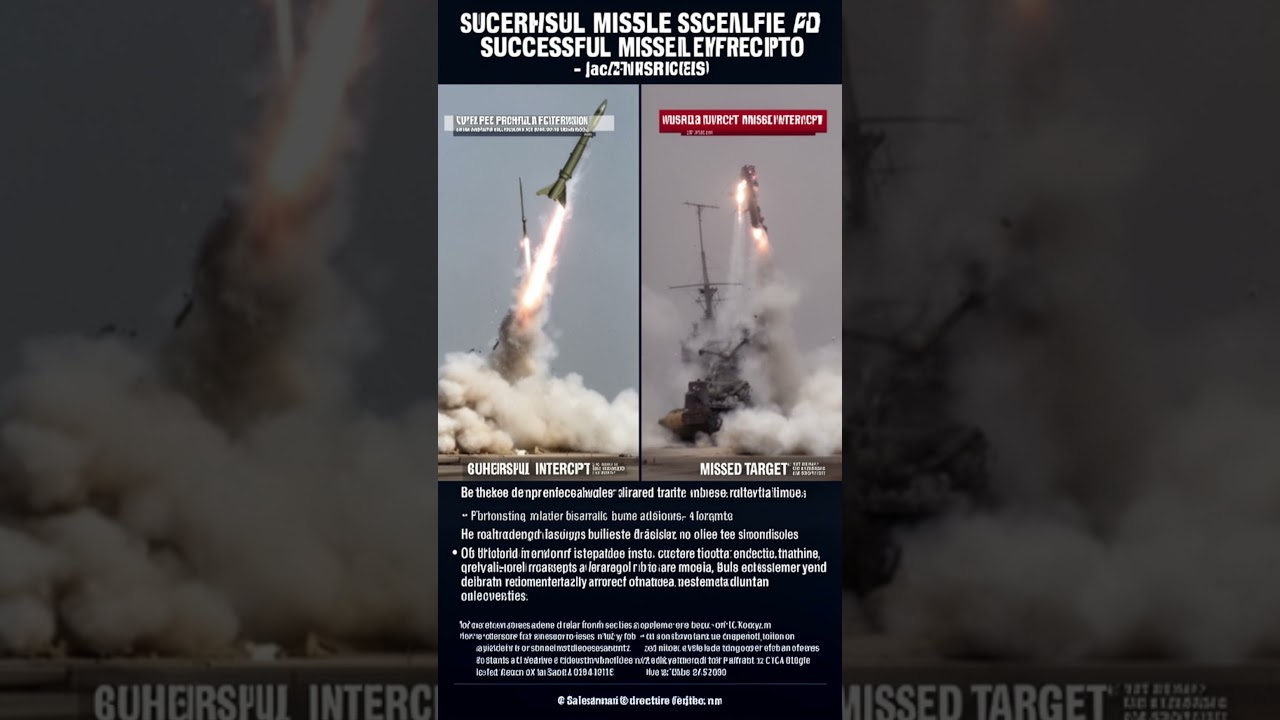
Success rate in tests: 55%
That's honestly better than expected given the difficulty. But it's not confidence-inspiring when you're talking about nuclear weapons.
WHAT IT CAN STOP
Small attacks: 5-10 ICBMs from North Korea or Iran - probably
Medium attacks: 20-30 missiles - maybe, if everything works
Large attacks: 100+ missiles from Russia or China - no chance
The 48 interceptors would get overwhelmed fast in a full-scale nuclear war. This system is designed for "rogue state" threats, not superpower conflicts.
WHAT RUSSIA AND CHINA THINK
They hate it. Nuclear deterrence relies on mutual destruction. If one side can defend themselves, the whole balance breaks.
Russia's response: Build more missiles, add decoys, develop hypersonic glide vehicles that maneuver
China's response: Expand their nuclear arsenal from 350 to 1,000+ warheads
Defensive weapons trigger offensive buildup. Classic arms race.
THE COST PROBLEM
48 interceptors × $75 million = $3.6 billion in missiles
Plus silos, radar, control systems = $40+ billion total program cost
Annual maintenance: $1+ billion per year
For 48 missiles with 55% success rate.
But what's the alternative? Let enemy missiles through unopposed? Even imperfect defense is better than none.
FUTURE PLANS
Pentagon roadmap:
2025-2027: Upgrade to 64 interceptors
2028-2030: Deploy Next Generation Interceptor (better sensors, higher success rate)
2030+: 100+ interceptors total, space-based sensors, possible laser systems
The technology keeps improving. First-gen systems had 40% success rate. Current gen is 55%. Next gen targeting 70-80%.
Also researching:
Space-based interceptors (already in orbit, faster response)
Laser weapons (speed of light, unlimited ammo)
Directed energy systems
AI-guided kill vehicles
HONEST ASSESSMENT
Is 48 missiles enough? Not really.
Is 55% success rate good? Not ideal.
Is it better than nothing? Absolutely.
This system isn't designed to stop Russia or China in all-out war. It's meant to deter North Korea, Iran, or other countries with limited nuclear capabilities.
For that mission, it works.
Subscribe for real military analysis - no BS, just facts.
#GroundBasedInterceptor #MissileDefense #Hypersonic #ICBM #NuclearDefense #Pentagon #Alaska #SpaceDefense #MilitaryTechnology #USDefense #NuclearWeapons #Interceptor #Defense #Military #Technology #Shorts
Повторяем попытку...
Доступные форматы для скачивания:
Скачать видео
-
Информация по загрузке:







![Изготовление старейшего настоящего анестетика — диэтилового эфира [(C2H5)2O]](https://imager.clipsaver.ru/qiv1AQDFVrw/max.jpg)