Tour of hospital built to treat COVID-19 patients
Автор: AP Archive
Загружено: 2020-04-28
Просмотров: 237
Описание:
(23 Apr 2020) LEAD IN:
As Wuhan hit the peak of its coronavirus outbreak, it built two huge hospitals in a matter of days to cope with the influx of patients.
With the worst of it now over and few sick people left inside, journalists were given a tour of the facility.
STORY-LINE:
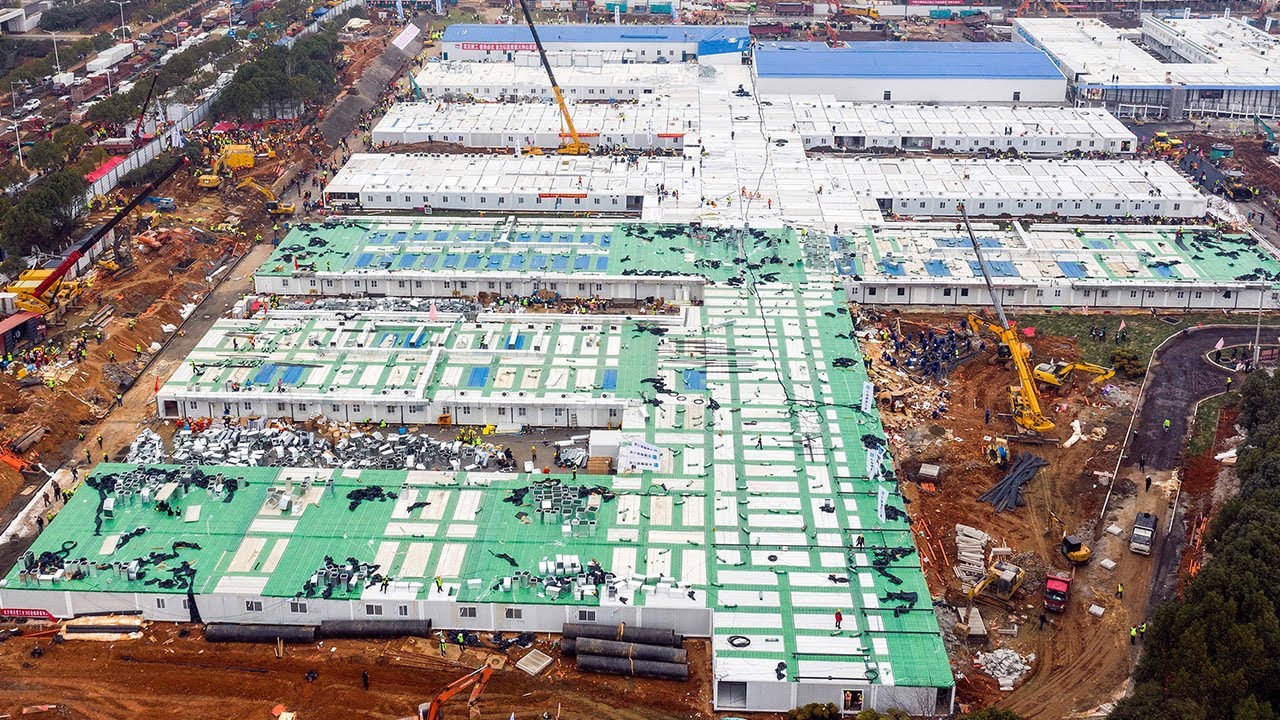
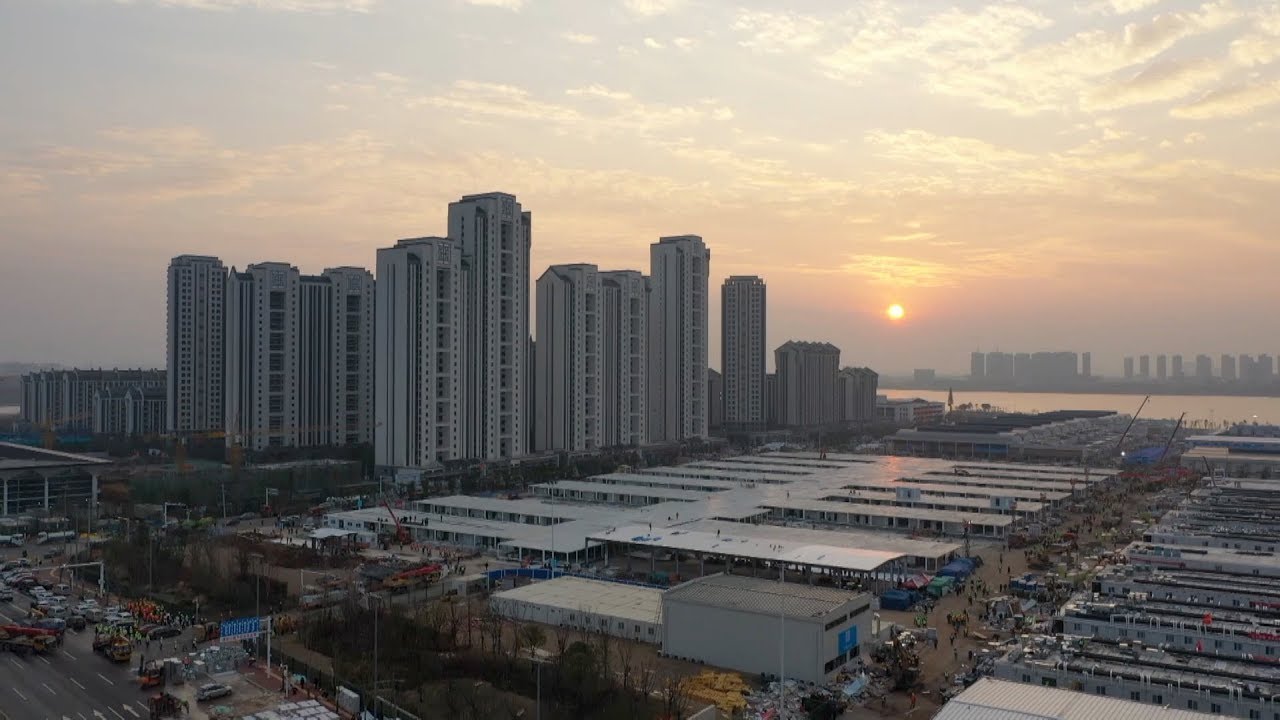
The sprawling Leishenshan Hospital complex in Wuhan.
This was the answer to a hospital bed crisis in the city that was the centre of China's coronavirus outbreak.
COVID-19 quickly overwhelmed Wuhan and its medical facilities. More than 30,000 medical workers from across China came to the frontlines in Wuhan to help treat patients, but there were simply not enough beds.
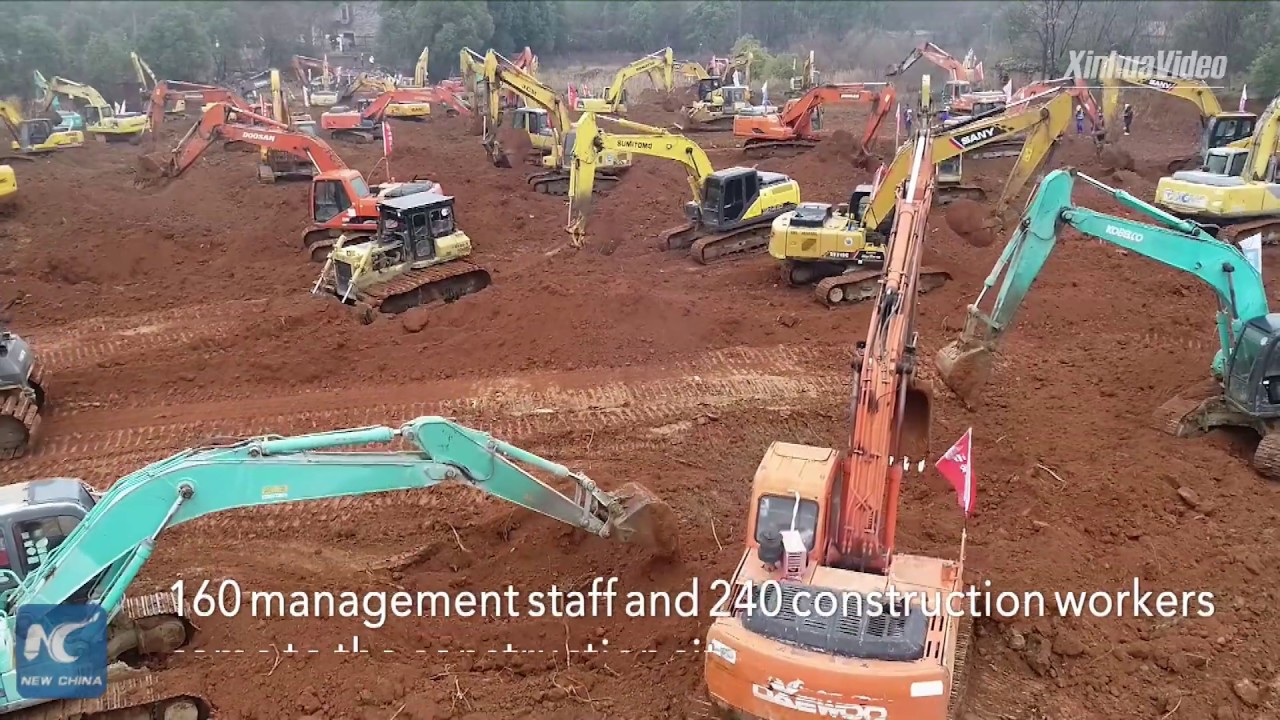
So authorities launched an ambitious construction project.
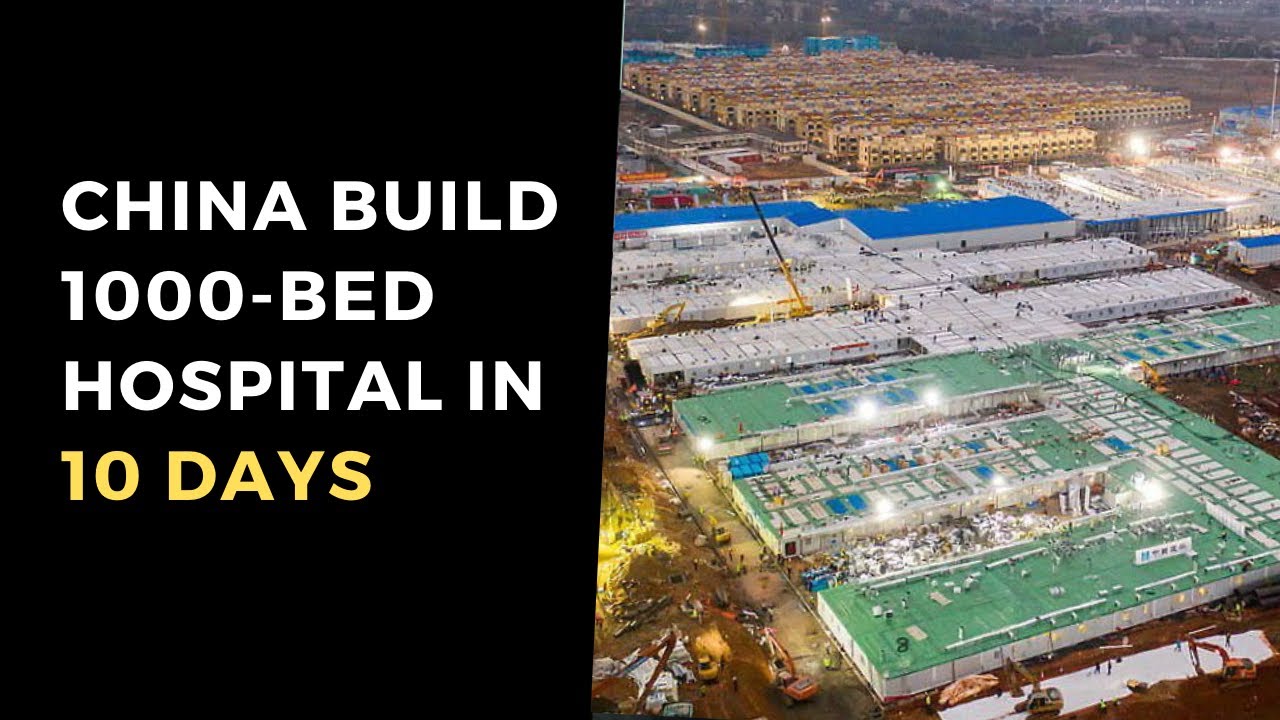
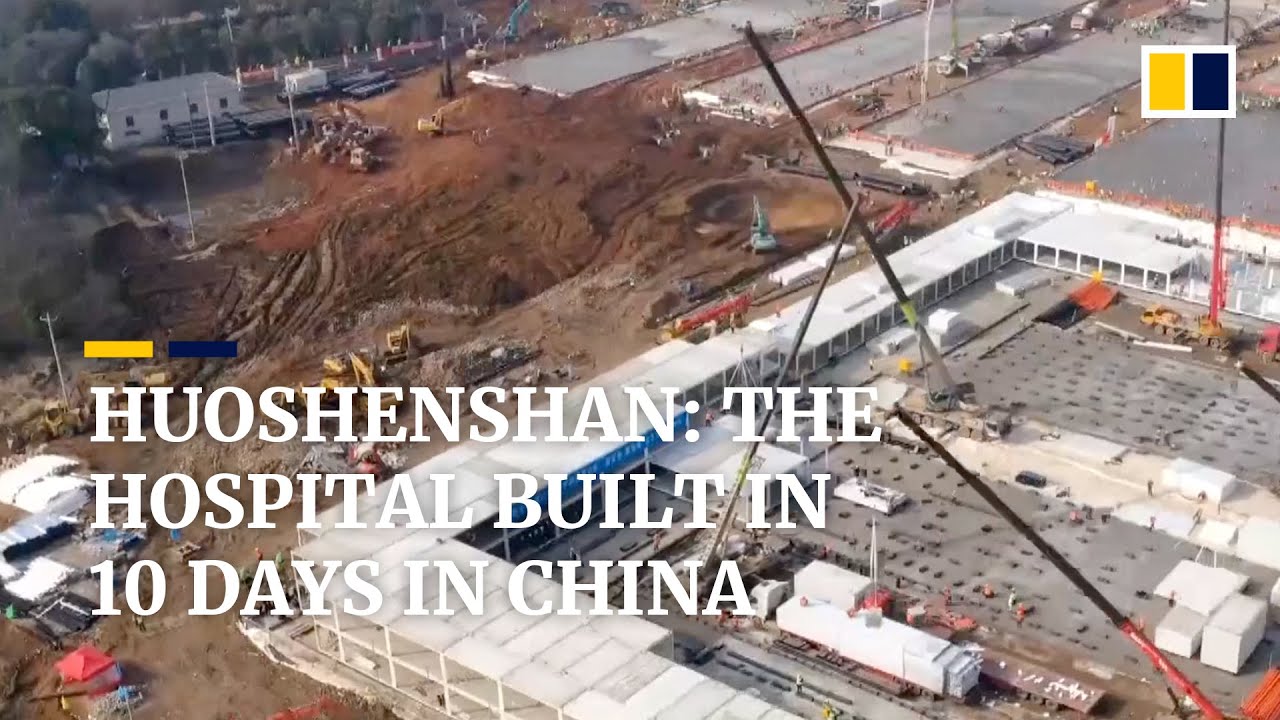
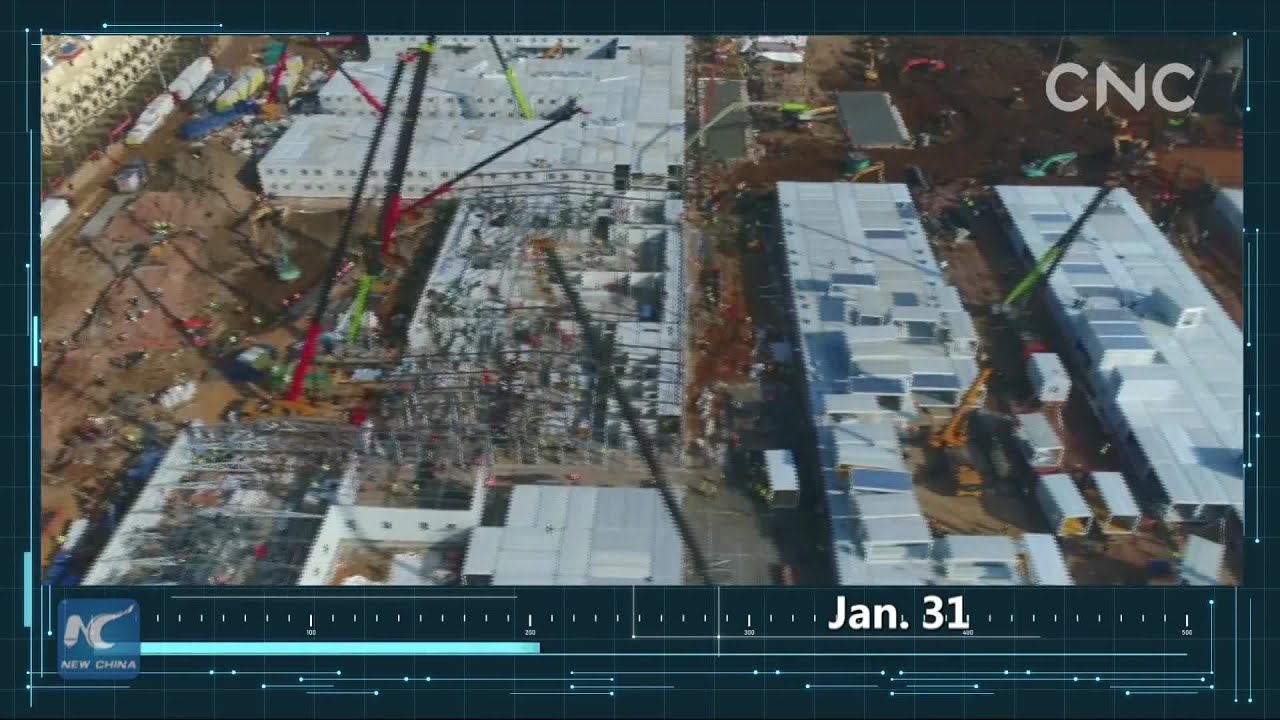
Leishenshan Hospital was built in ten days.
More than 15,000 builders worked around the clock to assemble prefabricated units atop a former parking lot to create 32 wards, including a pair of intensive care units, and about 1,400 beds. It was the second such makeshift hospital built in the early days of the outbreak, the first being Wuhan's Huoshenshan hospital.
While the virus raged in Wuhan and spread around the globe, Leishenshan treated over 2,000 patients. Hospital administrators claim that 2 percent of patients died and that no medical workers were infected, 1,900 patients were discharged.
The vast majority of patients were above the age of 60, with the oldest a 98-year-old.
Today it is all but closed – and journalists are being given a tour of the facility organized by the local propaganda department.
"We made a great contribution to Wuhan's fight against the epidemic," says Li Kun, a hospital administrator.
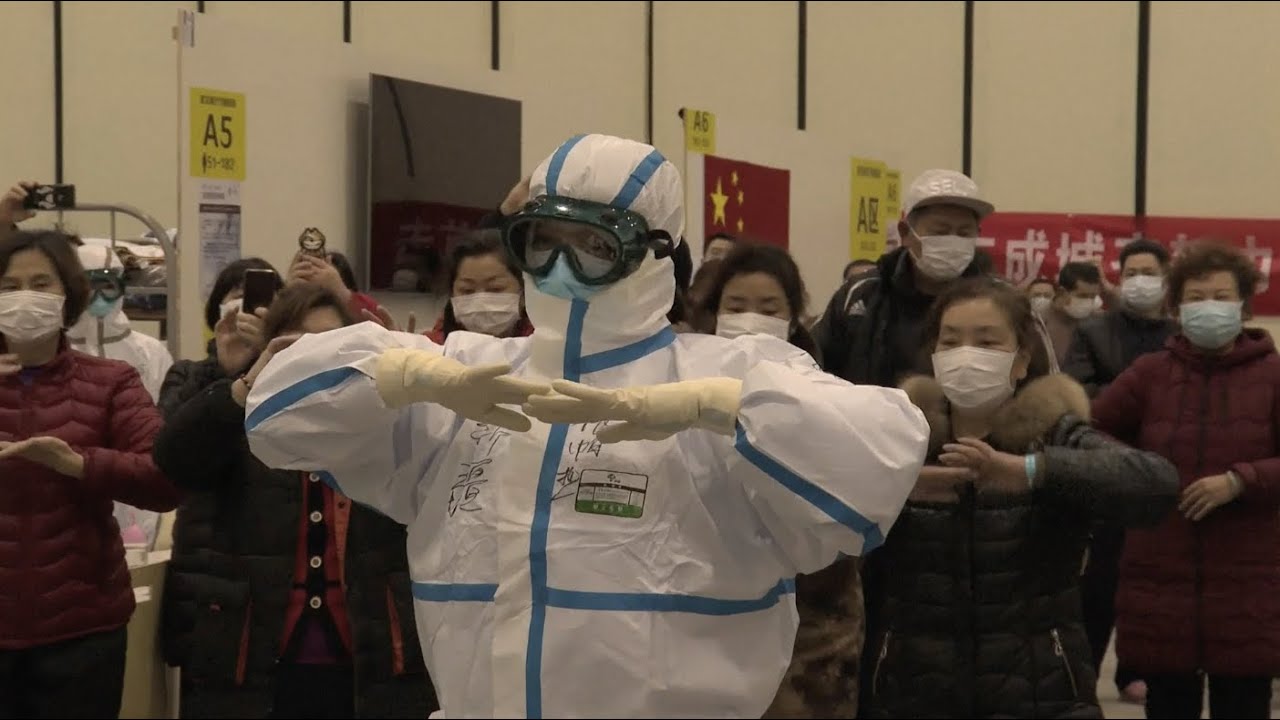
Staff drew on the walls of the hospital's hallways, their romantic or political messages a reminder of the emotional bonds and political importance of the operation.
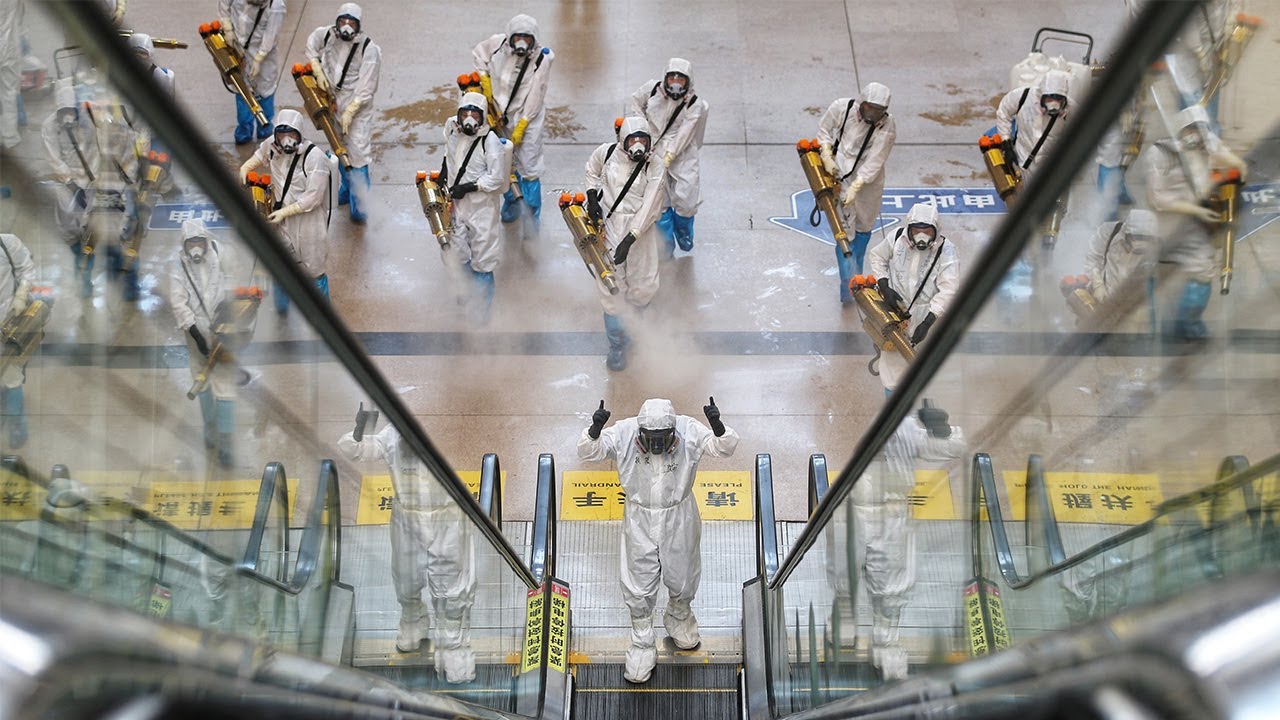
One sign shows a person in full protective equipment chasing a COVID-19 cartoon with a giant syringe.
Another, Wuhan's famous cuisine known as hot and dry noodles. Another depicted Xi Jinping, chairman of the Chinese Communist Party.
Flags display slogans. Other notes celebrate the contributions of the 3,000 medical workers from other provinces who have helped Leishenshan in its time of need.
In a press conference outside the hospital, the hospital's chief charges the world to learn from their mistakes.
"In the early stages, we let patients with mild symptoms quarantine themselves at home. Then we realized it was a total failure. That was why in Wuhan we built makeshift hospitals to receive all the mild patients in makeshift hospitals, which we thought very successful. Why do I say home quarantine is a failure? Because at the beginning, there are many cases where one family member infected all the other family members, no matter they were three, five or one person," says Wang Xinghuan, chief of both the Leishenshan and Zhongnan hospitals.
Widespread use of face masks is a hotly debated topic in other nations grappling with coronavirus.
But Xinghuan has no doubt that they work.
"Mask protection is based on science. It's definitive. If whether or not to wear a mask is still considered as an issue of cultural difference, please allow me to be blunt: I think it's ignorance. The conclusion has scientific value but if we don't put it into practice, then we are ignorant. It is not a cultural difference. I hope everyone could call on wearing masks. The epidemic is very difficult to control if people don't wear masks."
Wang believes a vaccine would be the only true way to beat the global pandemic.
Days after the press tour, the hospital's final 14 elderly patients were transferred to other hospitals.
Find out more about AP Archive: http://www.aparchive.com/HowWeWork
Twitter: / ap_archive
Facebook: / aparchives
Instagram: / apnews
You can license this story through AP Archive: http://www.aparchive.com/metadata/you...
Повторяем попытку...

Доступные форматы для скачивания:
Скачать видео
-
Информация по загрузке: