First Aid skills. Control of Serious Bleeding and Shock.
Автор: Decisive First Aid
Загружено: 2023-07-17
Просмотров: 505
Описание:
This re-enacted training video shows how to deal with someone with a serious bleed. Serious bleeding can happen when large veins have been cut, or arteries have been cut. This is a life threatening situation.
Blood loss from a vein flows dark red.
Blood loss from an artery spurts in time to the heartbeat and is bright red.
Both of these types of blood loss can be life threatening.
Treatment for severe blood loss.
Step 1. Sit or lie the casualty down. They will probably be applying direct pressure to the wound. If not tell them to do so.
Step 2. Get someone to call 999, otherwise call 999 and put your phone onto speakerphone. Whilst the patient is applying direct pressure themselves, and whilst waiting for the 999 call to connect, you can put on gloves and get the largest sterile dressing out of the First Aid kit.
Step 3. With the dressing ready to be placed on the wound, tell the patient to move their hand so that you can see the wound yourself. This should only take one or two seconds, make sure you are not in line with any blood that may spurt out.
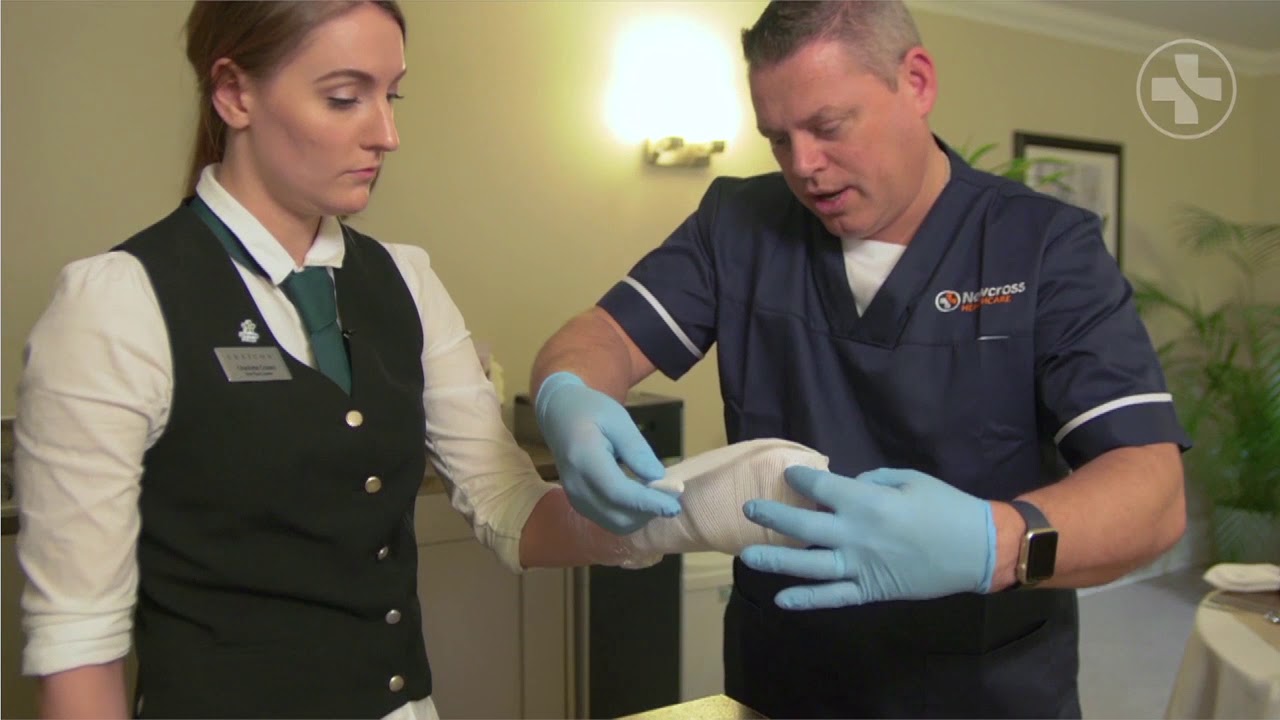
Step 4. Place the sterile pad onto the wound and grasp it tightly. You are NOT going to complete the dressing at this stage. You are simply applying direct pressure for 10 minutes, but with the sterile pad of the dressing. 10 minutes of direct pressure will stop most serious bleeds.
Step 5. Now that 10 minutes have passed, the bleeding should be under control. You can now complete dressing the wound.
Step 6. monitor you patient.
Step 7. If you see signs of shock, inform the ambulance control via a 999 call, and take the following actions
Step 8. Make sure your patient is lying on the ground, preferably on a blanket.
Step 9. Raise the patients legs.
Step 10. Keep the patient warm. Put another blanket or coat on top of them.
Step 11. Continue to monitor and update ambulance control via a 999 call.
Signs of Shock,
These are the main signs of shock and the easiest to spot.
Weakness.
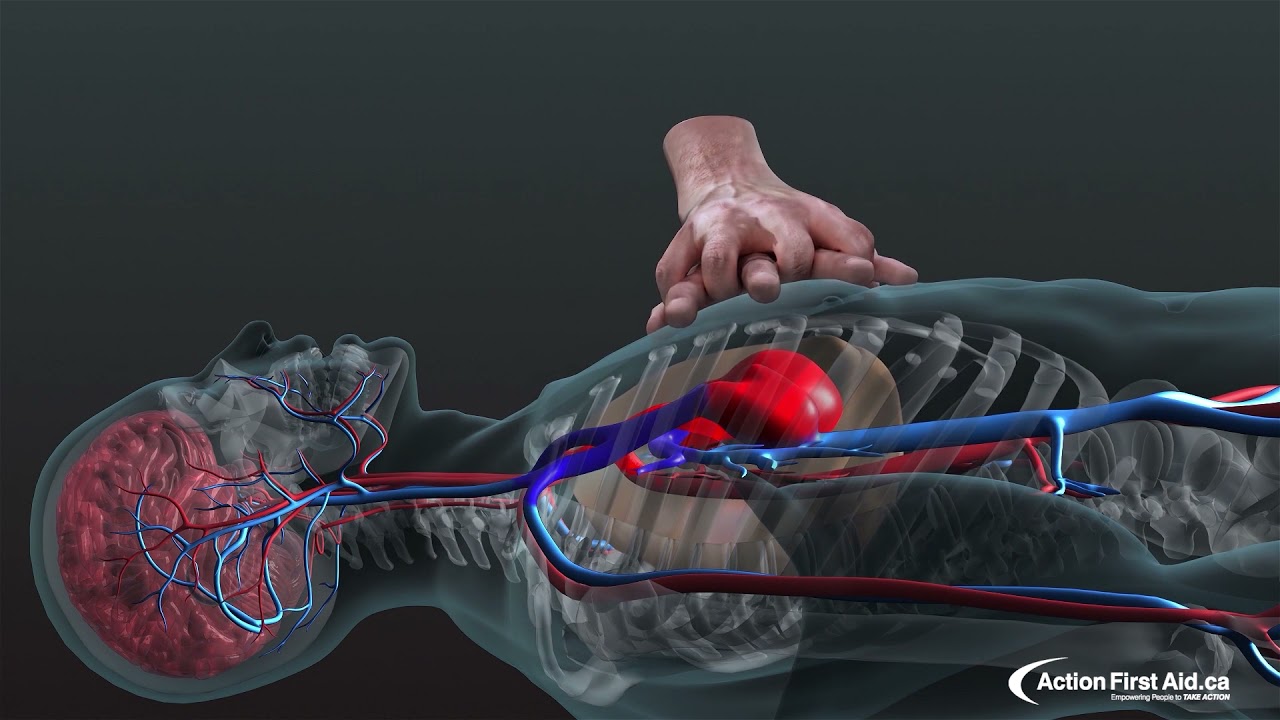
The body prioritises blood flow to the brain and the core. The muscles of the arms and legs have a depleted supply so the person becomes weak.
Pale, cold clammy skin.
Feel the forehead with the back of your hand. Their skin will be pale, cold and clammy. Again the body prioritises blood flow to the brain and core. The skin has a depleted supply of blood so the skin appears pale, and goes cold and clammy.
Fast breathing.
The brain and the core is used to receiving a certain amount of oxygenated blood every minute. Because the patient has lost a large amount of blood, the body compensates by speeding up the heartrate and speeding up the breathing rate. It's all to do with oxygen delivery to the vital organs.
Повторяем попытку...

Доступные форматы для скачивания:
Скачать видео
-
Информация по загрузке: