Chemical Information Storage
Автор: STACKxSTUDIOS
Загружено: 2026-02-27
Просмотров: 1
Описание:
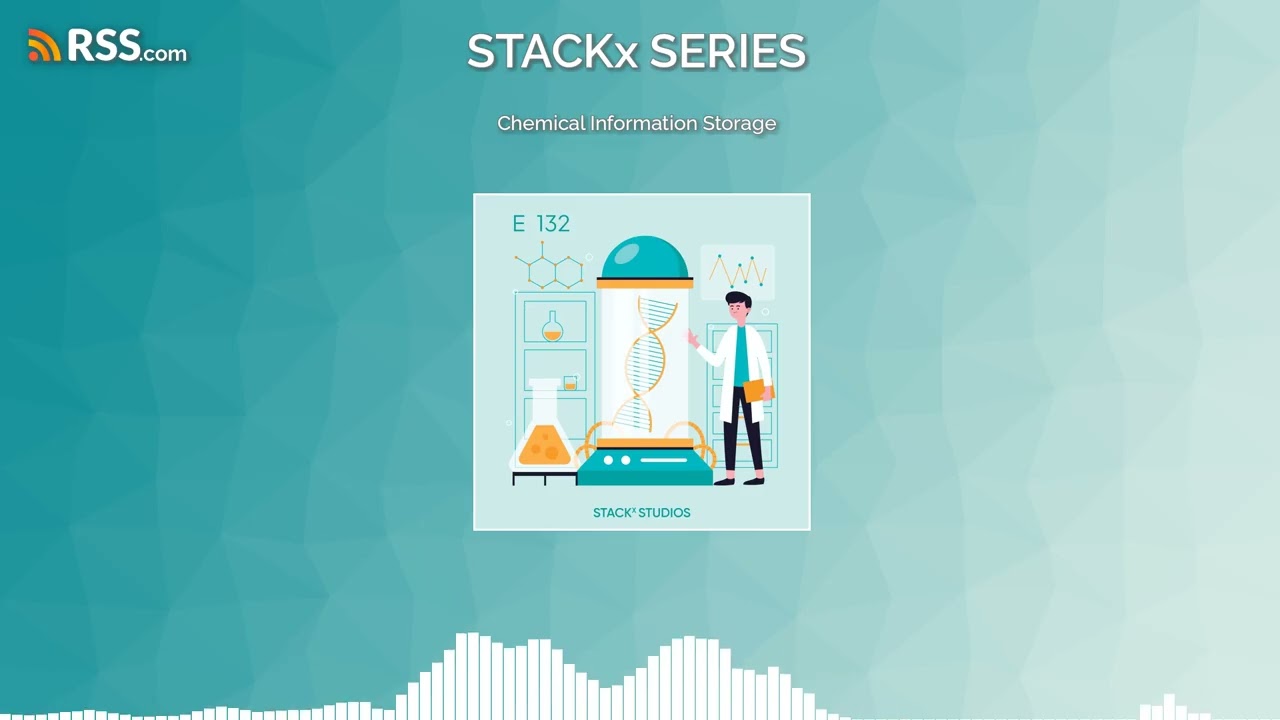
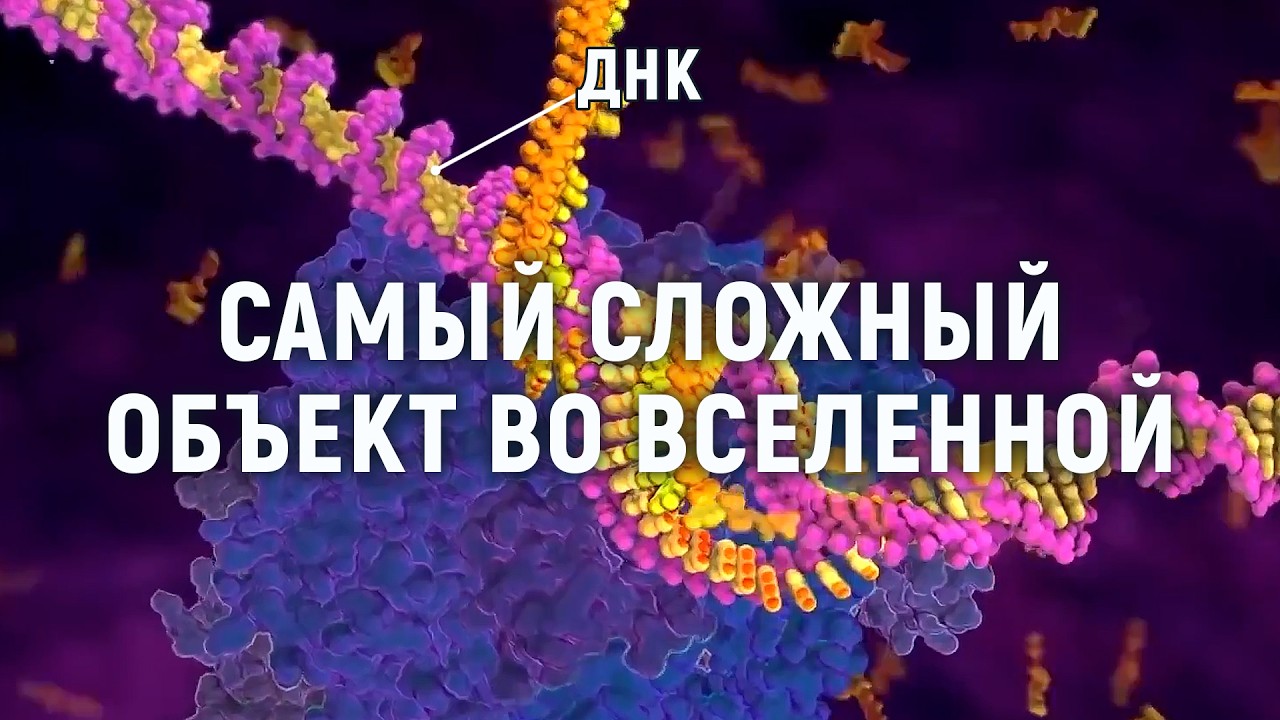
DNA data storage is an emerging technology that encodes digital information (binary 0s and 1s) into the sequence of the four nucleotide bases of DNA: Adenine (A), Cytosine (C), Guanine (G), and Thymine (T). This process mimics how nature stores genetic instructions, leveraging molecular structures to archive vast amounts of human knowledge.
The Data Storage Process The workflow consists of four primary steps:
Encoding: Translating digital bitstreams into a quaternary DNA sequence format. Error-correcting codes (such as Reed-Solomon) are applied during this phase to manage potential data loss or corruption.Writing (Synthesis): Physically creating custom DNA strands using either traditional chemical methods (phosphoramidite chemistry) or newer, more efficient enzymatic synthesis.Storage: Preserving the synthesized DNA. For long-term stability, DNA is often dehydrated, encapsulated in silica, or embedded in salts or synthetic polymers to protect it from environmental degradation like moisture and oxygen.Reading and Decoding: Retrieving the data using DNA sequencing technologies (such as Next-Generation Sequencing or Nanopore) and using algorithms to convert the biological sequences back into the original digital files.Key Advantages
Hyper-Density: DNA possesses an unparalleled information density. Theoretically, a single gram of DNA can store up to 455 exabytes of data, meaning all the world's data could fit into just a few kilograms of DNA.Extreme Longevity: Unlike hard drives or magnetic tapes that physically degrade and become obsolete in 5 to 30 years, DNA can remain stable for thousands to hundreds of thousands of years under the right conditions.Energy Efficiency: DNA requires zero power consumption to maintain data at rest, making it a highly sustainable option for long-term archival storage compared to energy-intensive data centers.Current Challenges Despite its immense potential, DNA storage currently faces significant hurdles. Cost is the primary barrier; writing data via DNA synthesis is prohibitively expensive, currently costing around $100,000 per megabyte. Additionally, the latency (read/write speeds) is measured in hours or days, which restricts DNA storage to "cold" archiving rather than active, frequently accessed data. Furthermore, biochemical processes are prone to errors like insertions, deletions, and substitutions, necessitating complex computational error-correction algorithms.
As global data generation accelerates toward the zettabyte scale, ongoing innovations in enzymatic synthesis, nanopore sequencing, and machine learning are rapidly advancing to make DNA a commercially viable tier for long-term data archiving.
Повторяем попытку...
Доступные форматы для скачивания:
Скачать видео
-
Информация по загрузке:








![Вся суть линейной алгебры: лекции #1-16 [3blue1brown]](https://imager.clipsaver.ru/1vnJ4gfcmB8/max.jpg)