Drawing a City from 1880 to 2050
Автор: City Planner Mismanages
Загружено: 2026-02-21
Просмотров: 27660
Описание:
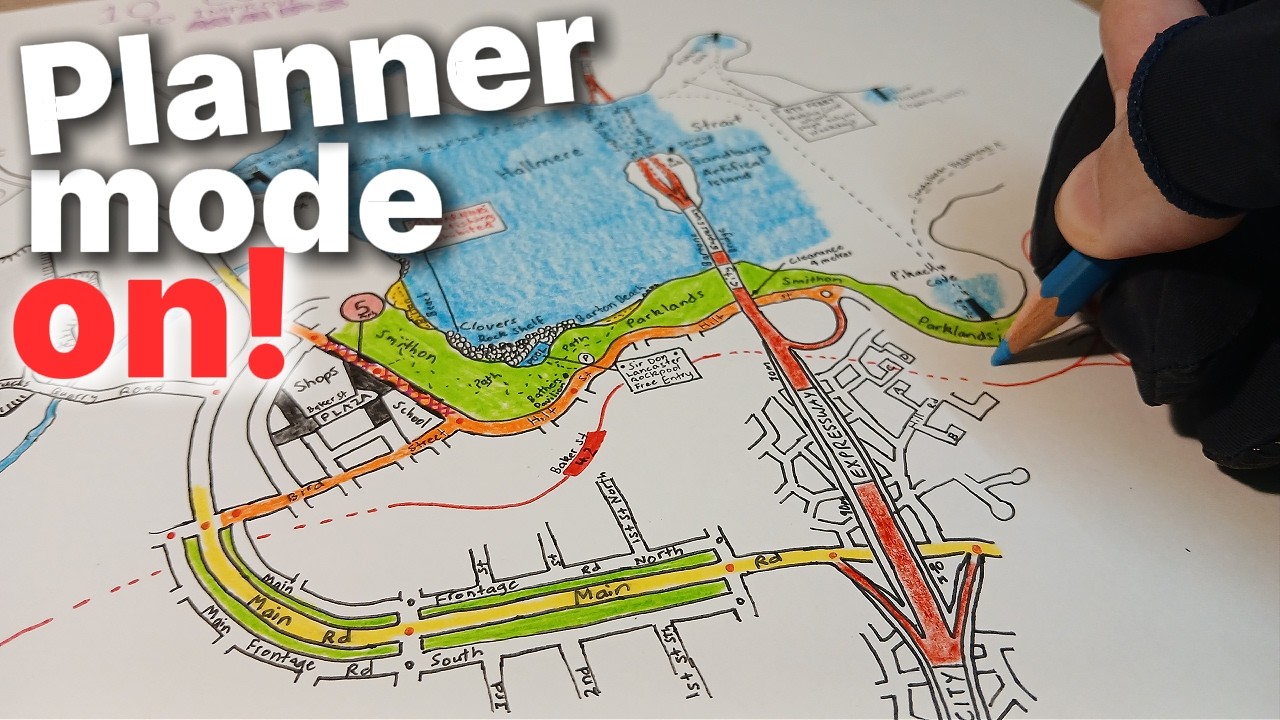
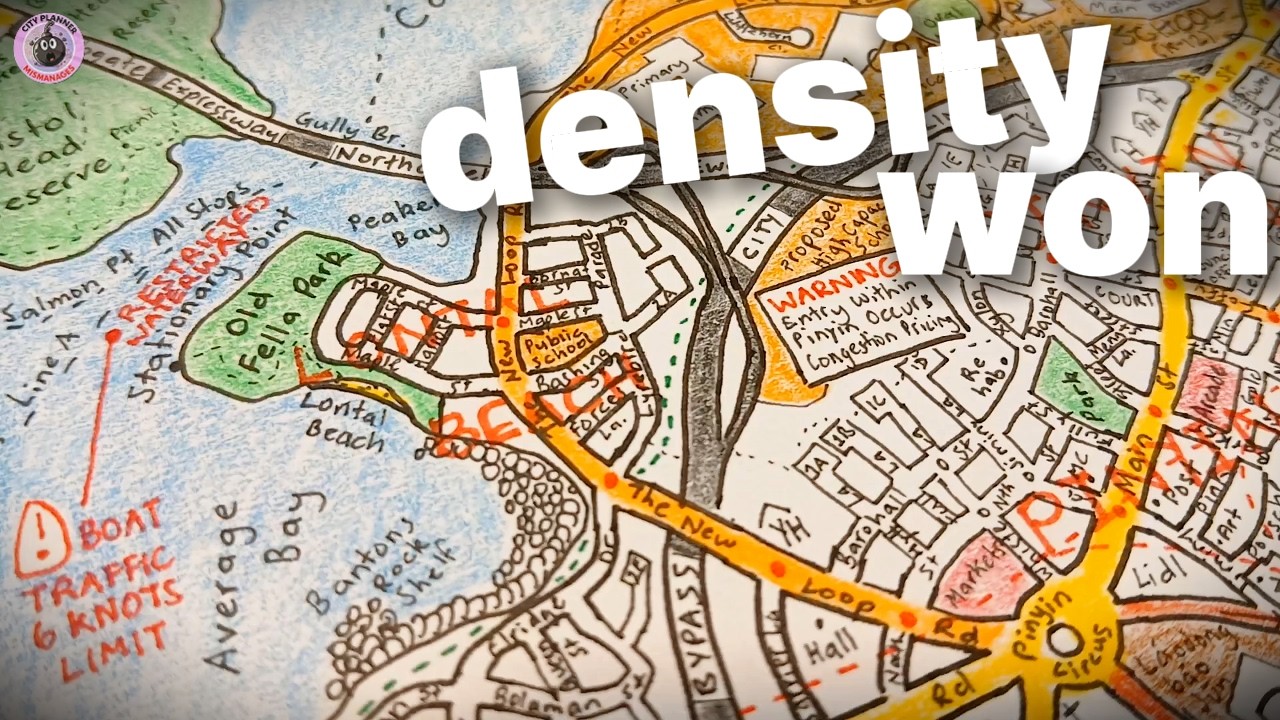
Using a hand-drawn city map format, this series breaks down how frontier towns were built - and how rivalry, capitalism, and land speculation shaped their infrastructure.
If you’re interested in town growth history, western settlement expansion, railroad economics, map-based storytelling, and how small towns evolve into cities, this series is for you.
In 1881, a prairie town nearly went to war over a road. What began as a small frontier settlement along the Cedar River quickly turned into a power struggle over land ownership, rail access, grain storage, banking, and control of the town’s infrastructure. Through hand-drawn maps and historical-style newspaper reporting, this video explores how one man’s land filings shaped the streets, church placement, commercial district, and railroad expansion of a growing western town.
This is Part 1 of a full town evolution series (1881–2050), showing how early urban planning decisions, property boundaries, and economic control influenced the long-term growth of a prairie settlement.
In this episode (1875–1881), you’ll see:
The founding of the river crossing settlement
The rise of Main Street and early commerce
Church influence in frontier communities
Railroad branch line expansion in the 1880s
The incorporation vote that named the town
A property dispute that escalated into gunfire
Part 2 (1881–1900) will examine legal disputes, banking leverage, rail competition, and population growth as the rivalry deepens. The map will be traced over and told with the next storyline and the next growth of the town.
** THIS STORY IS FICTIONAL ** based on real historical research of the period.
This video, maps, storyline, script, voice-over, newspapers and research is all mine. The pictures are repurposed historical photos from reputable history websites, and the music is real, from UPPBEAT
Повторяем попытку...

Доступные форматы для скачивания:
Скачать видео
-
Информация по загрузке: