43. ITIL | important key terms and concepts in service management
Автор: Kavin Kumar
Загружено: 2017-03-04
Просмотров: 2229
Описание:
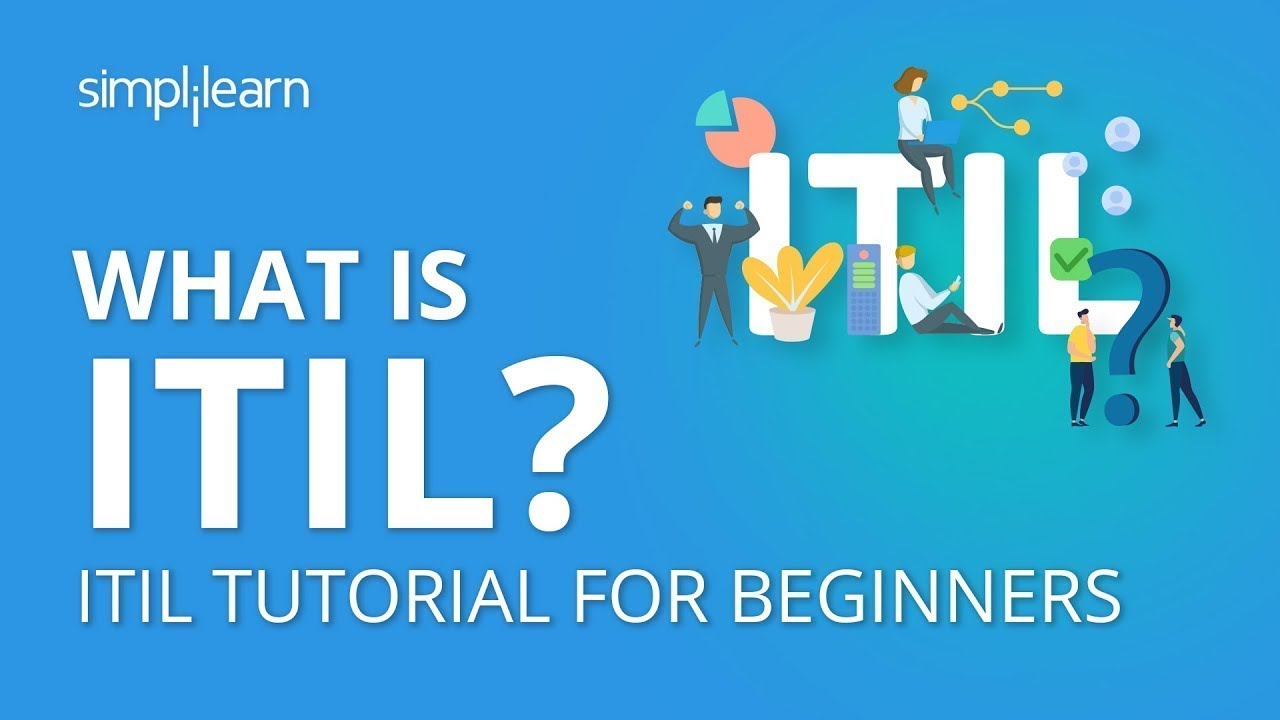
This video explains the important key terms and definitions in ITIL service management.
ITIL
Information Technology Infrastructure Library is a set of best practices being practiced by most of the infrastructure service providers to deliver services to the customers to meet their business needs within predicted cost and quality.
Service
Service is a means of delivering value to customers by achieving customer's desired results while working within given constraints.
Service Level
It is measured and reported achievement against one or more Service Level Targets.
Service Level Agreement
It is agreement between service provider and customer. The SLA describes the IT Service, documents Service Level Targets and specifies the responsibilities of provider and customer.
Service Strategy
Service Strategy helps to design, develop and implement service management as organizational capabilities and strategic assets as well. It enables a service provider to consistently outperform competitive alternatives over time, across business cycles,industry disruptions and changes in leadership.
Service Model
Service Model is the high level description of the service and components required to deliver that service.
Service Portfolio
Service Portfolio is the set of services provided by the service provider.
Service Catalogue
Service Catalogue is the set of specific services being provided by service provider to a specific customer.
Customer Portfolio
Customer Portfolio is used to record all customers of IT service provider.
Demand Management
Demand Management is very important and critical process in service strategy. It helps to understand customer demand for services so that appropriate capacity can be provisioned to meet those demands.
Pattern of Business Activity
It is an extremely important activity achieved by knowing customer how they operate and future requirement they might need.
Service Design
Service Design provides a blueprint for the services. It not only includes designing of new service but also devises changes and improvements to existing ones.
Operational Level Agreement
OLA is an agreement between IT service provider and another part of same organization.
Service Level Report
It gives insight into a service provider’s ability to deliver the agreed service quality.
Service Level Requirements
It is a document containing the requirements for a service from the client viewpoint,defining detailed service level targets.
Service Asset
Service Assets are the resources and capabilities owned by the service provider enabling it to deliver service to the customer.
Configuration Item
Configuration Item is subset of service assets and have direct impact on delivering services. All servers, networks, applications that have impact on production are known as configuration item.
Service Assets and Configuration Management
It deals with maintaining up to date and verified database of all assets and CIs which are also made available to other service management processes.
Change
Change refers to modifying existing services.
Event
Event is defined as detectable occurrence that has significance for the delivery of IT service. Events are created by Configuration Item or the monitoring tools.
Incident
Incident is defined as any disruption in IT service. Incident can be reported either through the Service Desk or through an interface from event management to incident management tools.
Service Request
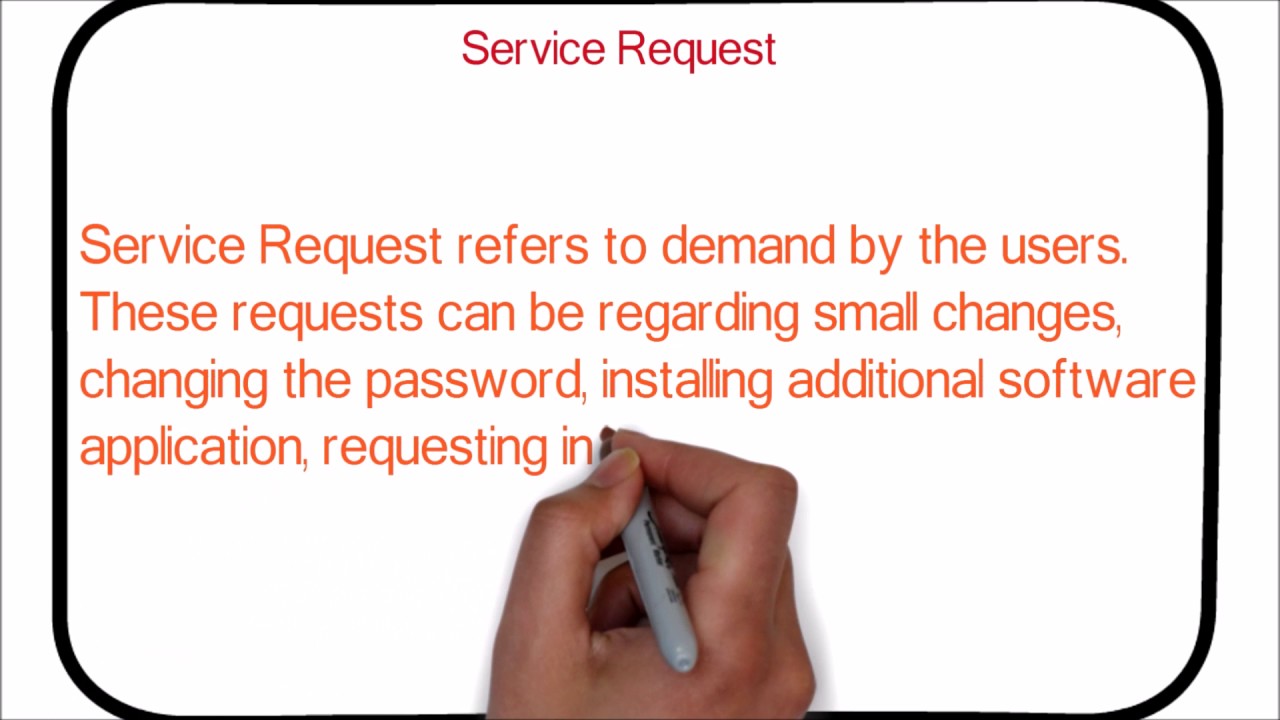
Service Request refers to demand by the users. These requests can be regarding small changes, changing the password, installing additional software application, requesting information etc.
Problem
Problem is defined as unknown cause of one or more incident.
Known Error
Known Error is well identified problem with its cause and resolution. It is stored in Known Error Database K E D B.
core service
A service that delivers the basic outcomes desired by one or more customers.
A core service provides a specific level of utility and warranty.
Service Provider
An organisation supplying services to one or more internal customers or external customers.
Service provider is often used as a short form for IT service provider.
There are three types of service provider available.
Internal provider
Share service provider
External Service provider
Повторяем попытку...
Доступные форматы для скачивания:
Скачать видео
-
Информация по загрузке: