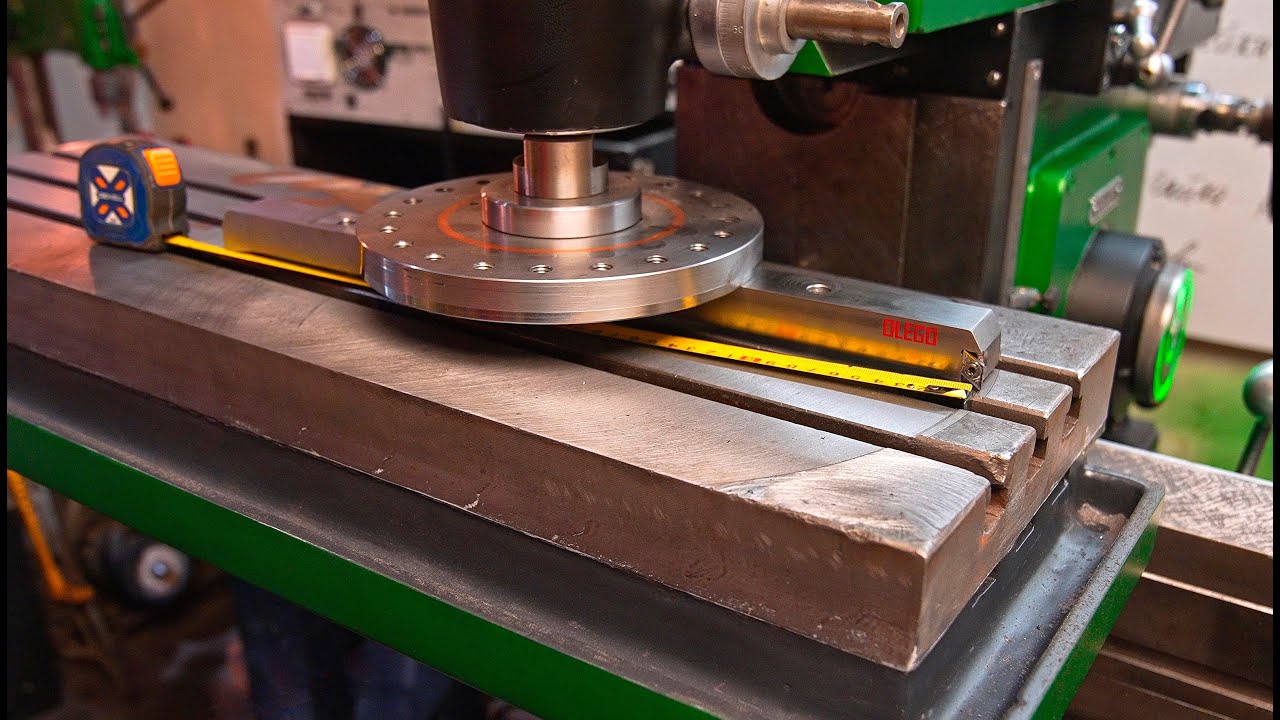
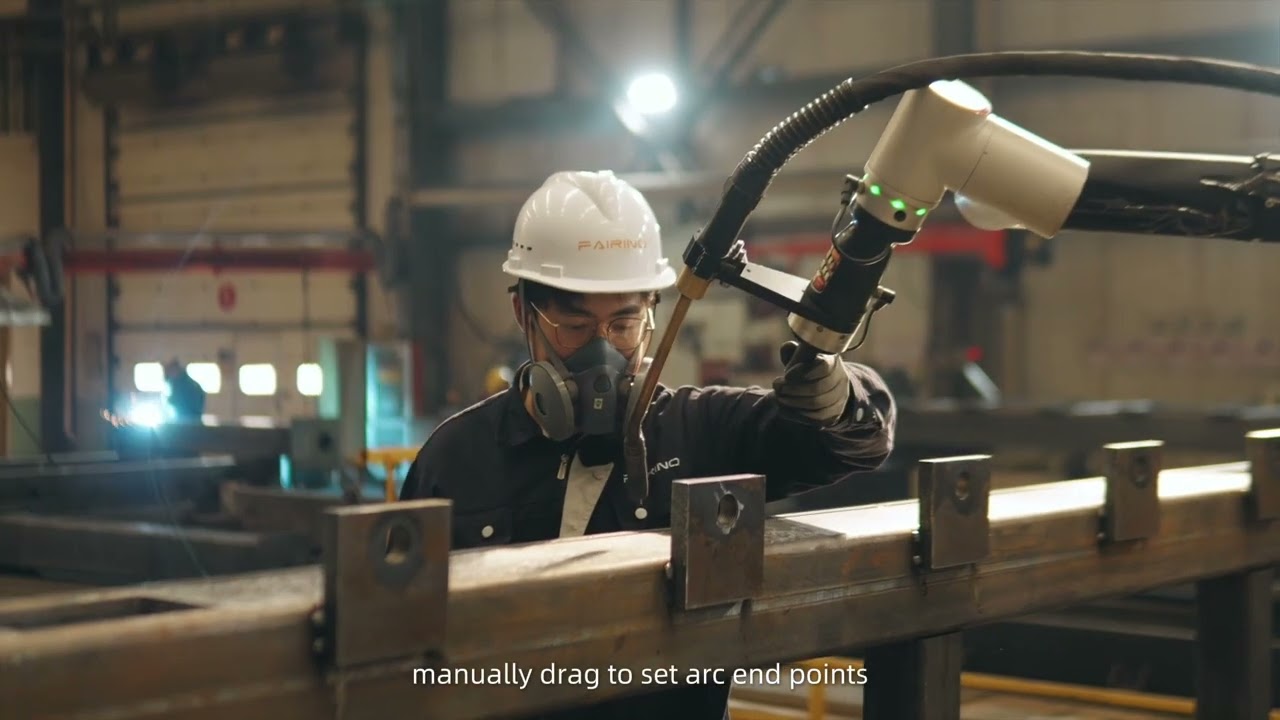
How CNC Machines Cut Metal So Precisely Tolerances Explained
Автор: Quick Why
Загружено: 2026-03-06
Просмотров: 8
Описание:
Ever wondered how a CNC machine can cut metal so precisely… that parts fit together like they were grown, not made—while the whole machine is literally shaking from cutting forces?
In this video, we break down the real engineering behind CNC precision.
No magic. No mystery. Just feedback control, rigidity, smart compensation, and cutting strategy.
From closed-loop control and encoders to backlash compensation and thermal stability, you’ll see how machines hit tolerances as tight as ±0.01 mm—about the thickness of a human hair. Whether it’s aerospace parts, automotive components, or precision tooling—this is the core technology making it possible.
▬▬ What you’ll learn ▬▬▬▬▬▬▬▬▬▬▬▬▬▬
• Why precision is a feedback game
• The difference between tolerance, accuracy, and repeatability
• How CAD/CAM becomes real machine motion
• What closed-loop control actually does
• How backlash, runout, and tool deflection affect cuts
• Why heat is a hidden enemy of precision
• The role of probing, offsets, and smart finishing passes
▬▬ Timestamps ▬▬▬▬▬▬▬▬▬▬▬▬▬▬▬▬
00:00 Why CNC machines can be precise under force
00:20 Tolerance vs Accuracy vs Repeatability
00:59 From CAD to real motion
01:16 Closed-loop control explained
01:45 Fighting backlash, runout & deflection
02:28 Thermal expansion & compensation
02:58 Probing, offsets & measurement
03:40 Roughing vs Finishing strategy
04:05 Why CNC precision is a system
▬▬ Try this tonight ▬▬▬▬▬▬▬▬▬▬▬▬▬▬
🔍 Look up backlash compensation, tool runout, or thermal growth in CNC machines. Notice how small mechanical effects turn into real dimensional errors—and how control systems correct them.
✨ Subscribe to Quick Why
Big answers. Small videos.
🎥 / @quickwhy-ca
#️⃣ Hashtags
#CNC #MechanicalEngineering #Manufacturing #PrecisionEngineering #ControlSystems #CADCAM #EngineeringExplained
Повторяем попытку...

Доступные форматы для скачивания:
Скачать видео
-
Информация по загрузке: