PVTG, SNO:12. CHOLANAIKKAN TRIBE - A SCIENTIFIC ANALYSIS FILM HOW EXTICT HAPPENS BY . T, S. NAIDU
Автор: Naidu
Загружено: 2021-08-27
Просмотров: 1529
Описание:
A FACINATING FILM ON THE CHOLANAYKKAN TRIBE - (CAVE MEN OF KERALA ) : A SCIENTFIC ANALYSIS HOW EXTICT HAPPENS
BY PROF. T. SUBRAMANYAM NAIDU
[email protected]
1. Name and Synonym
The Cholanaikan call themselves as Cholanaikkan, ‘Malanaikan’ or ‘Sholanaikan’. They are called Cholanaikkan because they inhabit the interior forests. ‘Chola’ or ‘shoals’ means deep forest, and ‘naikan’ means King. They are said to have migrated from Mysore forests. The Cholanaickan are also known as ‘the Cavemen of Kerala’, (Ananda. Bhanu,1989).
2. Origins and History
They are leading a semi-nomadic life in the forests and are having limited contact with the mainstream. They have been considered to be an offshoot of the major Tribe Kattunayakan, whose centuries of geographical isolation in Nilambur forests resulted in the formation of two separate endogamous groups viz., Cholanaickan and Pathinaicken.
3. Demography and Population Distribution
The Cholanaikkan traditionally reside in the Karulai and Chunkathara forest ranges near Nilambur, which fall in Ernad Taluk of Malapuram district in Kerala state. They speak a language called Dravidian but it is not directly related to any of the modern Dravidian languages – the sound of their talking gives a whiff of similarity to Malyalam, Tamil and Telugu but direct association of words is not seen. The standard claim is that the language is a mix of Malyalam and Kanada.
4. Physical Features
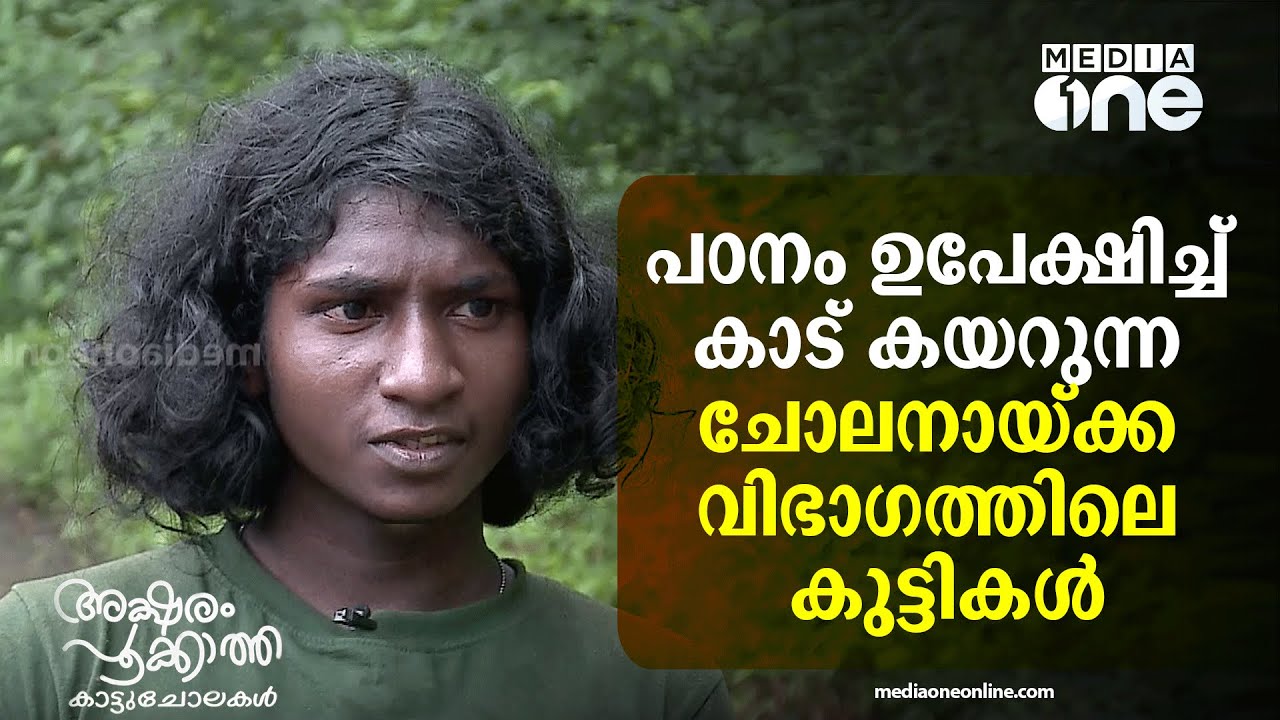
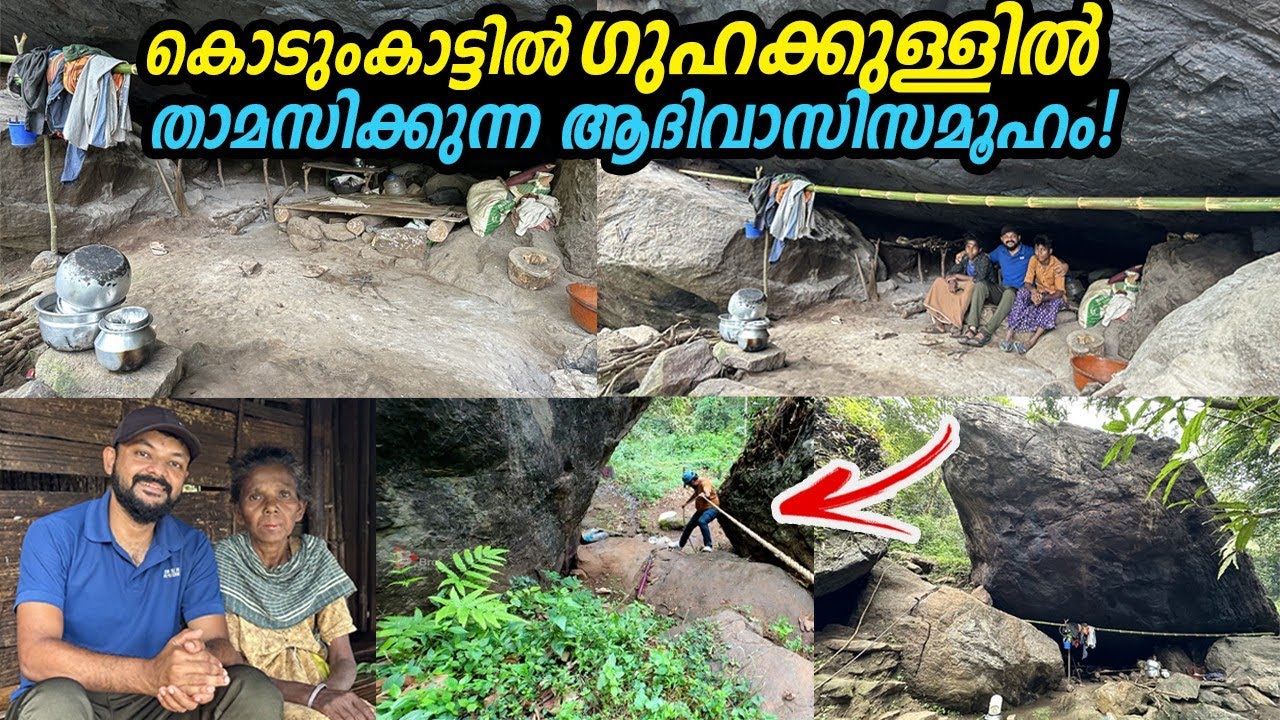
They are generally of short stature with well-built sturdy bodies. The complexion varies from dark to light brown. The faces are round or oval with depressed nasal root, their bridge being medium and the profile straight, the lips is thin to the medium, hair tend to be curly. They live in rock shelters called ‘Kallulai’ or in open campsites made of leaves.
They live in rock shelters called ‘Kallulai’ or in open campsites made of leaves. They are found in groups consisting of 3 to 6 primary families. Each group is called a ‘Chemmam’. The Cholanaikans are very particular in observing the rules framed by their ancestors for the purpose of maintaining the territories under the Chemmam.
5. Dress and Ornaments
The Cholanikayan wear minimum dress to cover their bodies. The earlier reports reveals that the men were nearly in a state of nude having only a piece of cloth around their loin. . Women have adopted the ravika (blouse) in imitation of the female costume in the plains'. Now-a-days the common dress for men is shorts, dhoti and shirt or pant and women wear saree and a blouse.
6. Social Organisation
They are divided into smaller groups called Jenmam. They have no fixed dwellings but prefer to live close to water sources. They live in rock shelters called Kallulai (Kallu means rock, aalai means ‘cave’) or in open campsites made of leaves.
6.1.Family
Nuclear and monogamous families are common. Husband, wife, and unmarried children constitute as members in an family. Families are patrilocal in nature. Neolocal residence is common where married sons with their wives live in separate hutments within the domicile of their father’s. Father is the head of the family while mother enjoys her supremacy in domestic affairs.
6.2. Marriage
They prefer consanguineous marriages, they prefer marry mother’s brother’s daughter/son or father’s sister’s daughter/son. If a boy and girl likes they can continue their relations as husband (gunda) and the wife (ennu) with an approval of the girl’s parents or the local chieftain. Thus the relationship is recognised as a marriage companion. Bride price exists and it is called Mothalanas.
7. Economy
The Cholanaickan subsists on food gathering-hunting, collection of minor forest produce from the forest. They eat fruits, tubers, fish, birds, rabbits, pigs, wild buffalos, monkeys and turtles. Now they augment it with the ration that the Government gives them.
8. Political Structure
The head of the Cholanikayan is called the Mooppan. He has the authority to resolve disputes among their members. The council is called Chemmathadi and it is governed by a council of elders called Jenmekkaram, which controls the activities of the tribe.
9. Religious Beliefs
Cholanaickan believe in ancestral spirits. In all hamlets a small sacred hut called ‘daivapura’ is seen and icons are kept in this ‘daivapura’ in ‘daivakotta’ (bamboo basket made for the purpose). Chemmakkaran plays an important role in all the religious and social functions of the hamlet. They worship god of the jungle (Malalli Diavam), metal image of a tiger (Uliuruvu), images of Ox (Kalaiuruvu) and snake god.
10. References
Sbramanyam Naidu T. 2013,“The Ethnographic Document Film on the Cholanaikyan”, Man in Search of Man, Bangalore. India.
*Prof. T. Subramanyam Naidu, Prof. of Anthropology, Member ICSSR and ERIC (NCERT), Former Dean and Director, Pondicherry Central University, e.mail: [email protected], WWW tsnaidu.com
Повторяем попытку...

Доступные форматы для скачивания:
Скачать видео
-
Информация по загрузке:








![[Ep62] മൂന്ന് സ്ത്രീകൾക്ക് ഒരു പുരുഷൻ എന്ന തോതിൽ ഇന്ത്യയിലെ ഒരു ഗ്രാമം](https://imager.clipsaver.ru/CuLpSZ8Pdic/max.jpg)