Cell : The Unit Of Life Part - 3 | Class 11 | Best Shot |
Автор: Shubham Poddar NEET (PB Patil Mudhal)
Загружено: 2026-03-05
Просмотров: 46
Описание:
Stay connected for further lectures, short notes, DPPs, Test Series, etc
Join our telegram channel https://t.me/shubhampoddarneet
This video is the third part of a series covering the chapter Cell: The Unit of Life, focusing on cytoskeleton structures, cilia, flagella, centrosomes, and the nucleus. Below is a summary of the key topics discussed:
Cytoskeleton and Locomotory Structures (0:15 - 3:30)
• Cytoskeleton: A network of filamentous, proteinaceous structures (microtubules, microfilaments, and intermediate filaments) in the cytoplasm that provides mechanical support, motility, and maintains cell shape (0:15).
• Cilia and Flagella: Hair-like outgrowths of the cell membrane used for locomotion (3:30). Cilia are small and numerous, acting like oars, while flagella are longer and fewer.
Structure of Cilia and Flagella (5:52 - 11:34)
• They are covered by the plasma membrane, with the core called the axoneme (6:10).
• The axoneme possesses a 9 + 2 arrangement of microtubules: nine doublets of peripherally arranged microtubules and a pair of central microtubules (7:01).
• Radial spokes connect the central sheath to the peripheral doublets (9:34).
Centrosomes and Centrioles (11:52 - 20:25)
• Centrosome: An organelle containing two cylindrical structures called centrioles, surrounded by amorphous pericentriolar materials (11:52).
• Centrioles: Arranged perpendicularly to each other, having a 9 + 0 arrangement (nine triplets of peripheral fibrils with no central microtubules) (13:13). They form the basal body of cilia or flagella and the spindle fibers during cell division (19:28).
Nucleus (20:25 - 41:10)
• First described by Robert Brown in 1831 (21:05).
• Structure: Consists of a nuclear envelope (two parallel membranes with a perinuclear space), nuclear pores, nucleoplasm, and chromatin (23:24).
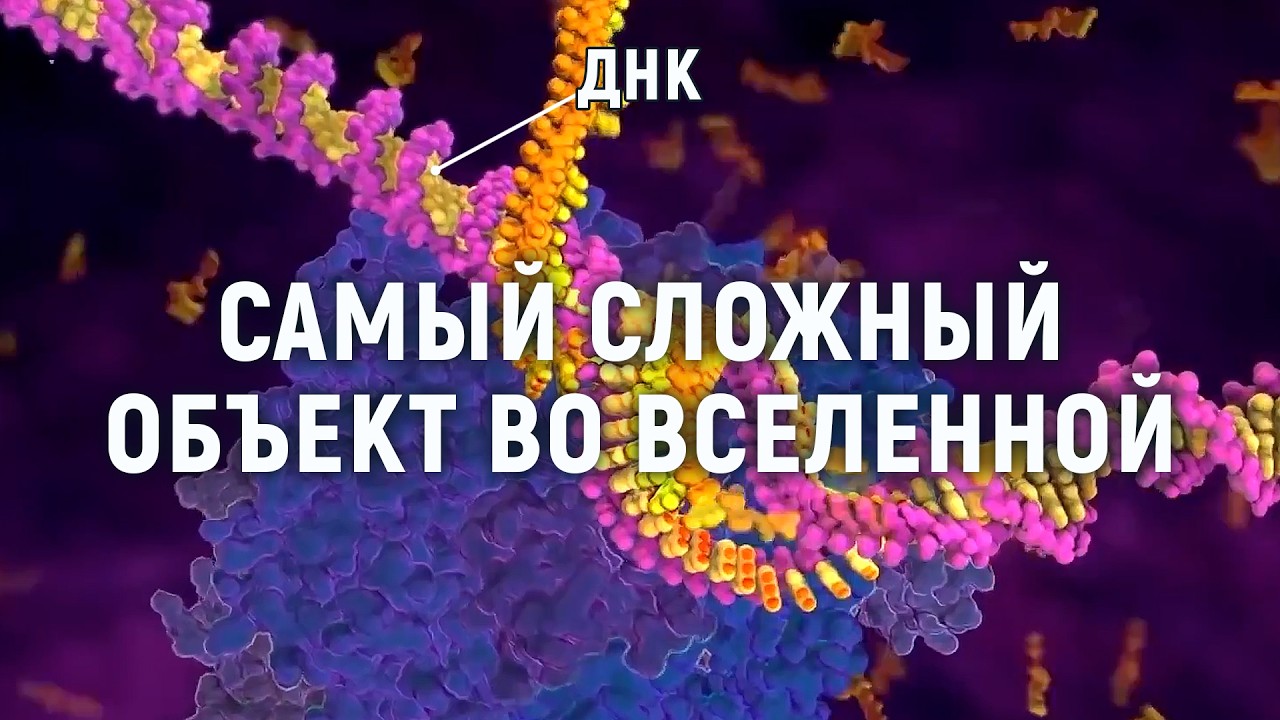
• Chromatin: Contains DNA, basic proteins (histones), non-histone proteins, and RNA (30:09).
• Chromosomes: Formed when chromatin condenses during cell division, featuring a primary constriction called the centromere (31:15).
• Centromere Position: Used to classify chromosomes into metacentric, sub-metacentric, acrocentric, and telocentric (36:04).
• Nucleolus: A non-membrane-bound structure within the nucleoplasm that acts as a site for active rRNA synthesis (27:55).
Microbodies (40:12 - 40:40)
• Small, membrane-bound vesicles containing enzymes, found in both plant and animal cells, such as peroxisomes.
#neet #mbbs #biology #medical #aiims #doctor #medicalstudent #neetpreparation #jee #neetexam #medico #neetug #chemistry #science #medicine #education #cbse #physics #neetaspirants #futuredoctor #neetpg #neetmotivation #iit #kotacoaching #jeemains #doctors #mbbsstudent #neetcoaching #iitjee #study
Повторяем попытку...

Доступные форматы для скачивания:
Скачать видео
-
Информация по загрузке: