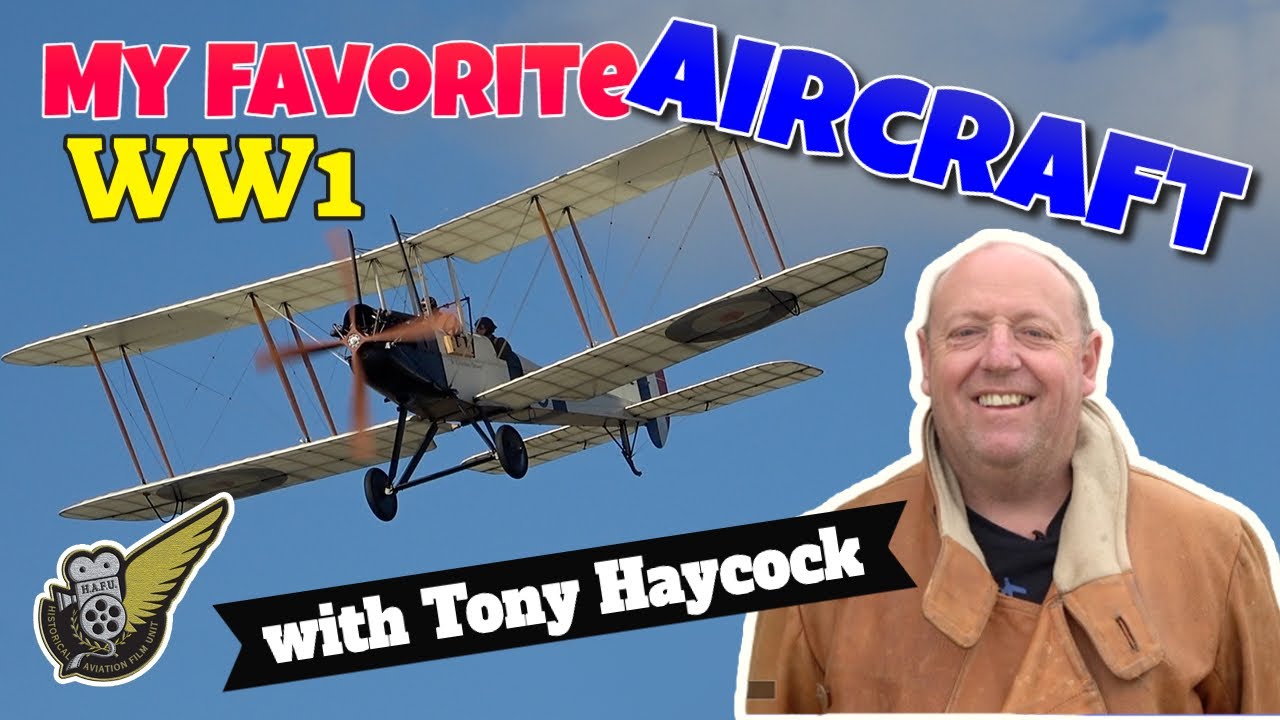
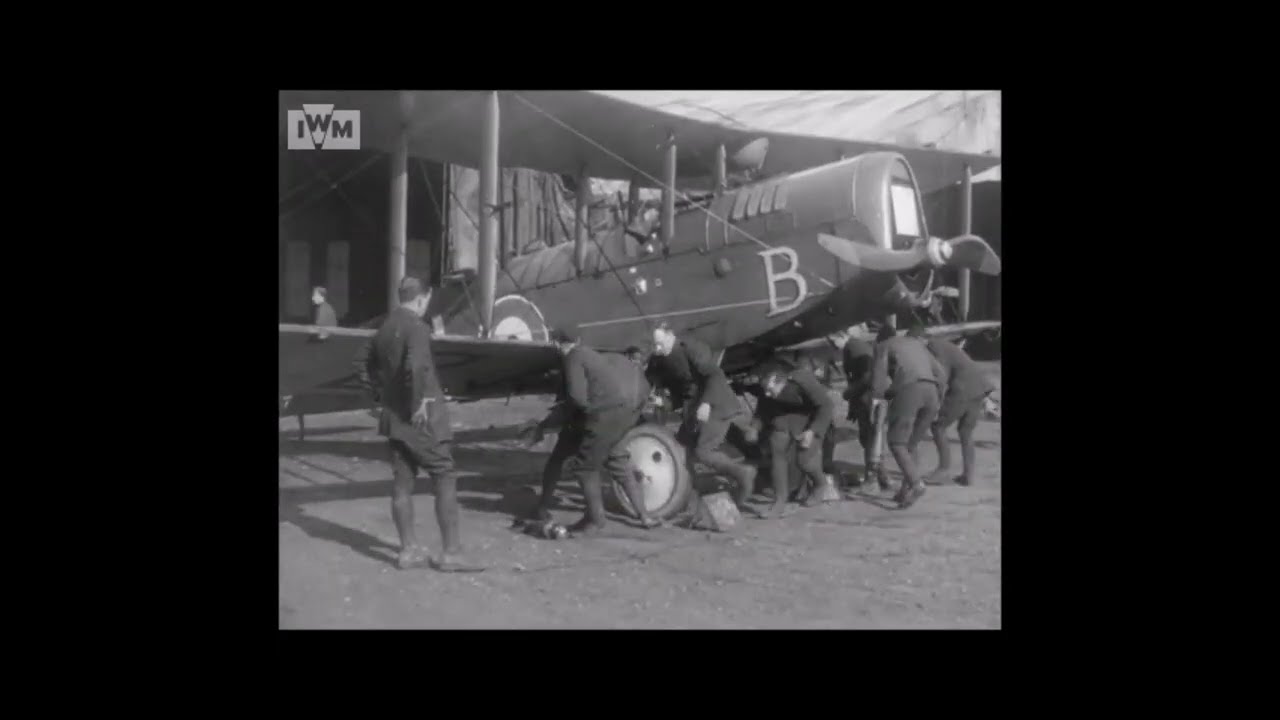
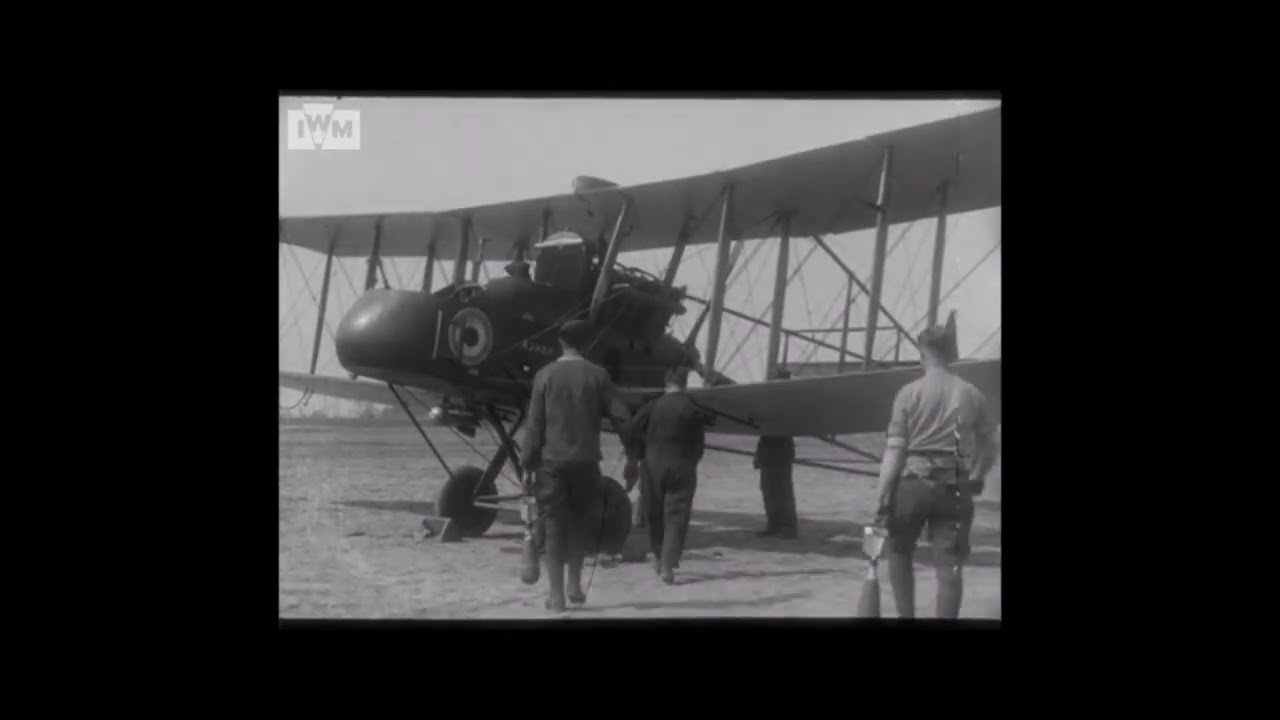
Royal Aircraft Factory B.E.2e - 7 Squadron Royal Flying Corps - October 1916 - June 1917
Автор: High Flight
Загружено: 2020-03-03
Просмотров: 1171
Описание:
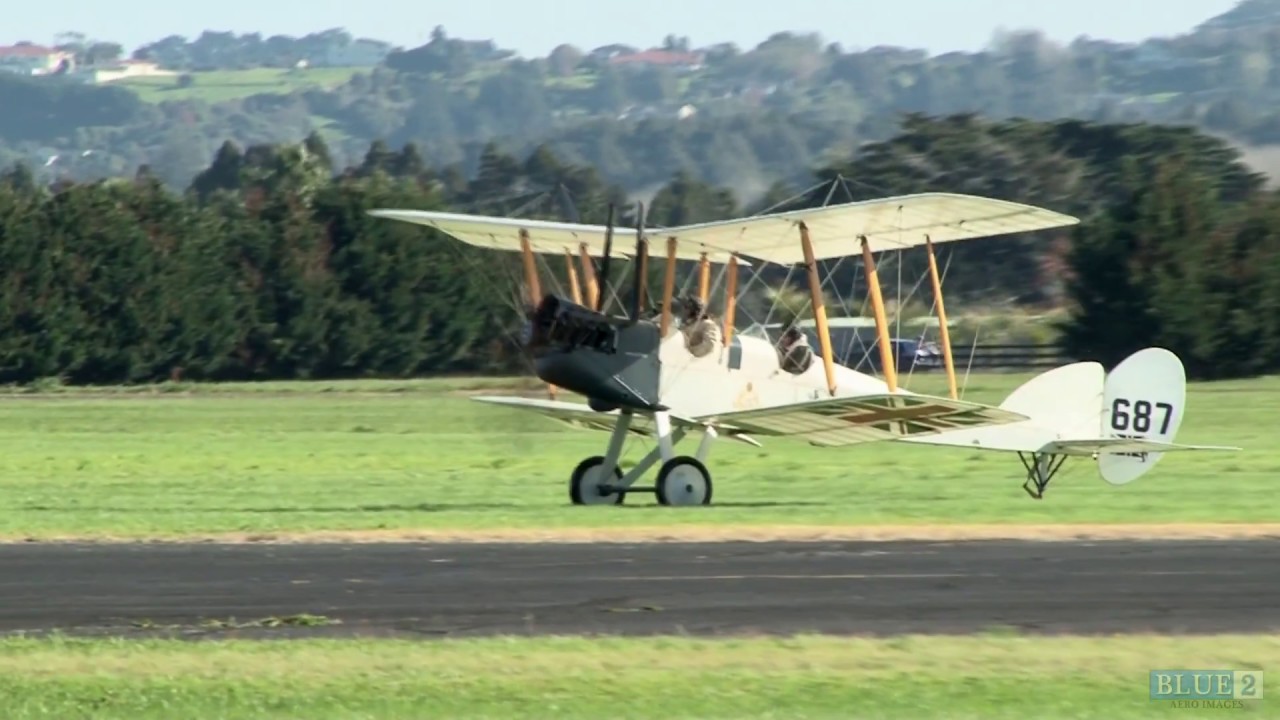
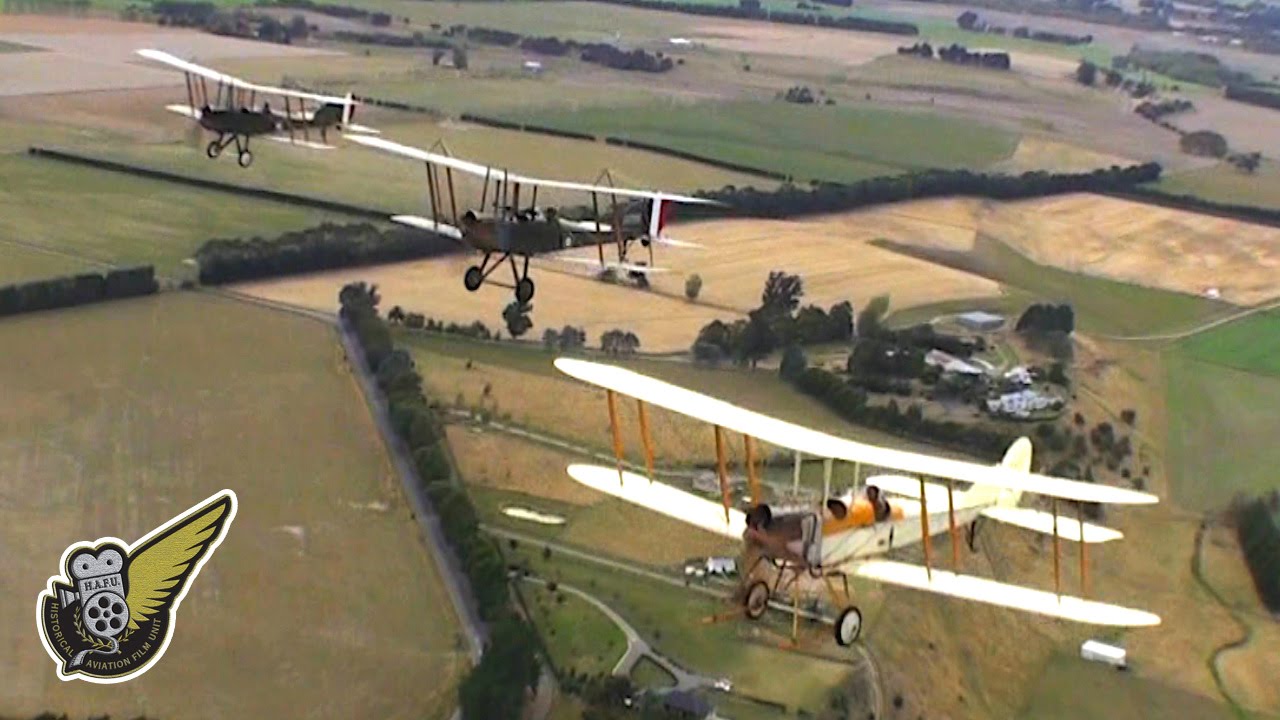
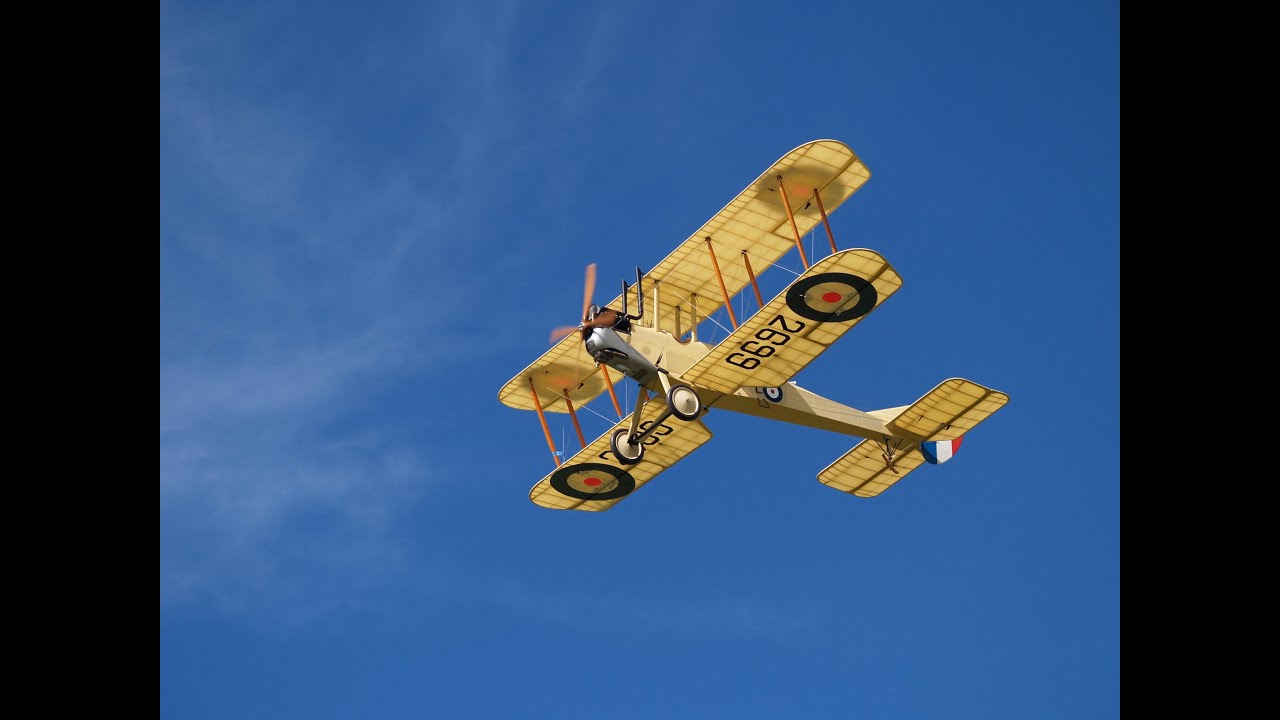
This Royal Aircraft Factory B.E.2e 'A2943' (G-CJZO) is a 100% authentic replica of the original B.E.2e bearing the same identity and colours.
'B.E.' stands for 'Bleriot Experimental' after the Bleriot Monoplane, even though this is a Bi-plane!
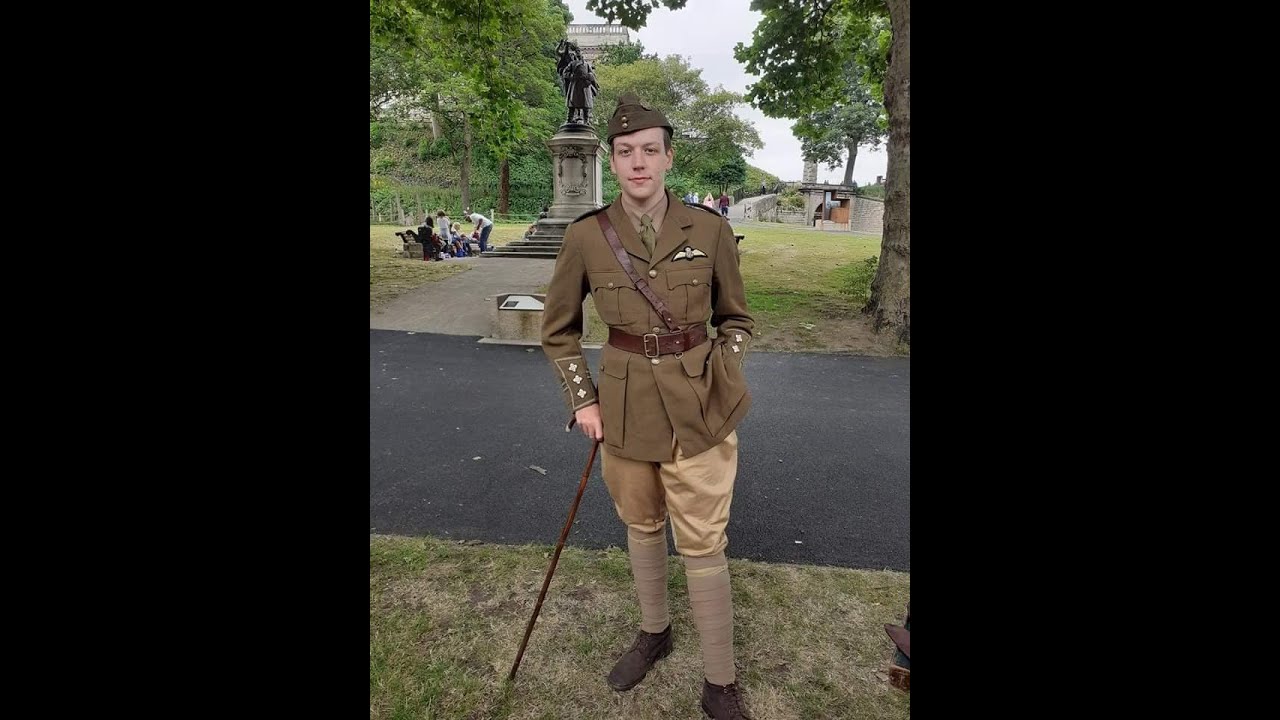
B.E.2e, A2943, wears the Royal Flying Corps No. 7 Squadron colours of the World War 1 period between October 1916 and June 1917 when it is recorded as having been flown by Captain Horace Webb-Bowen RFC. It was used for bombing and reconnaissance including the Battle of the Somme before being eventually replaced in the same role by the RE8.
B.E.2e (A2943) is owned and operated by the World War 1 Aviation Heritage Trust (WW1 AHT) from its base at the Stow Maries Great War Aerodrome near Maldon in Essex. It was constructed in 2014 by the Vintage Aviator Ltd (TVAL) of Wellington, New Zealand and is authentic in every detail to the original design – It has an Royal Aircraft Factory (RAF)1a engine, no brakes, bungee cord for suspension, Irish linen covers the aircraft, a single magneto, and a straight and level speed of 55 mph.
The Royal Aircraft Factory B.E.2 was a British single-engine two-seat biplane designed and developed at the Royal Aircraft Factory. Most production aircraft were constructed under contract by various private companies, both established aircraft manufacturers and firms that had not previously built aircraft. Around 3,500 were manufactured in all.
Early versions of the B.E.2 entered squadron service with the Royal Flying Corps in 1912; the type continued to serve throughout the First World War. It was initially used as a front-line reconnaissance aircraft and light bomber; modified as a single-seater it proved effective as a night fighter, destroying several German airships.
By late 1915, the B.E.2 was proving inadequate in defending itself against German fighters such as the then new Fokker Eindecker, leading to increased losses during the period known as the Fokker Scourge. Although by now obsolete, it had to remain in front-line service while suitable replacements were designed, tested and brought into service. Following its belated withdrawal from operations, the type served in various second line capacities, seeing use as a trainer and communications aircraft, as well as performing anti-submarine coastal patrol duties.
The B.E.2 has always been a subject of controversy, both at the time and in later historical assessment. From the B.E.2c variant on it had been carefully adapted to be "inherently stable", this feature was considered helpful in its artillery observation and aerial photography duties: most of which were assigned to the pilot, who was able to fly without constant attention to his flight controls. In spite of a tendency to swing on take off and a reputation for spinning, the type had a relatively low accident rate. The stability of the type was however achieved at the expense of heavy controls, making rapid manoeuvring difficult. The observer, often not carried because of the B.E.'s poor payload, occupied the front seat, where he had a limited field of fire for his gun.
About 3,500 B.E.2s were built by over 20 different manufacturers. An exact breakdown between the different models has never been produced, if only because so many B.E.2s were completed as later models than originally ordered.
During 1916, the final version of the B.E.2, the B.E.2e, entered production. This variant had completely new wings, braced by a single pair of interplane struts per side (as a "single-bay" biplane), and a set of shorter wingspan lower wing panels. The ailerons, on upper and lower wings, were joined by light struts. The tailplane was a new unit – being smaller than that of the B.E.2c and d – and the larger, quadrant shaped vertical fin of the late B.E.2c became standard.
It was intended to fit a new, uprated version of the RAF 1 engine – the RAF 1b – but in the event this did not achieve production status, and the B.E.2e used the same engine as its predecessor, considerably reducing the expected improvement in performance.
BE2s remained, fulfilling their vital artillery spotting and reconnaissance role long after they became obsolescent because of delays in replacing them. Sixty aircrew died in BE2s in ‘Bloody April’ 1917 during the Battle of Arras and one or two were recorded still in France a year later. Some were withdrawn in early 1916 to counter the Zeppelin threat and as a home defence fighter the BE2 proved ideal for nocturnal operations, three German airships falling victim to RFC BE pilots. The type enjoyed extensive use in most theatres of the war and was built in large numbers ending its days as a training aircraft in the newly formed Royal Air Force.
Video and Audio content is
Copyright © 2020 High Flight
This video and audio material may not be reproduced in any form (except as the videos Youtube embedded video option on any other website), without written permission.
Повторяем попытку...

Доступные форматы для скачивания:
Скачать видео
-
Информация по загрузке: