Why Drone Operators, Non-Combat Soldiers, and Peace Corps Volunteers Get PTSD | Sebastian Junger
Автор: Big Think
Загружено: 2016-07-13
Просмотров: 13954
Описание:
Why Drone Operators, Non-Combat Soldiers, and Peace Corps Volunteers Get PTSD
Watch the newest video from Big Think: https://bigth.ink/NewVideo
Join Big Think Edge for exclusive videos: https://bigth.ink/Edge
----------------------------------------------------------------------------------
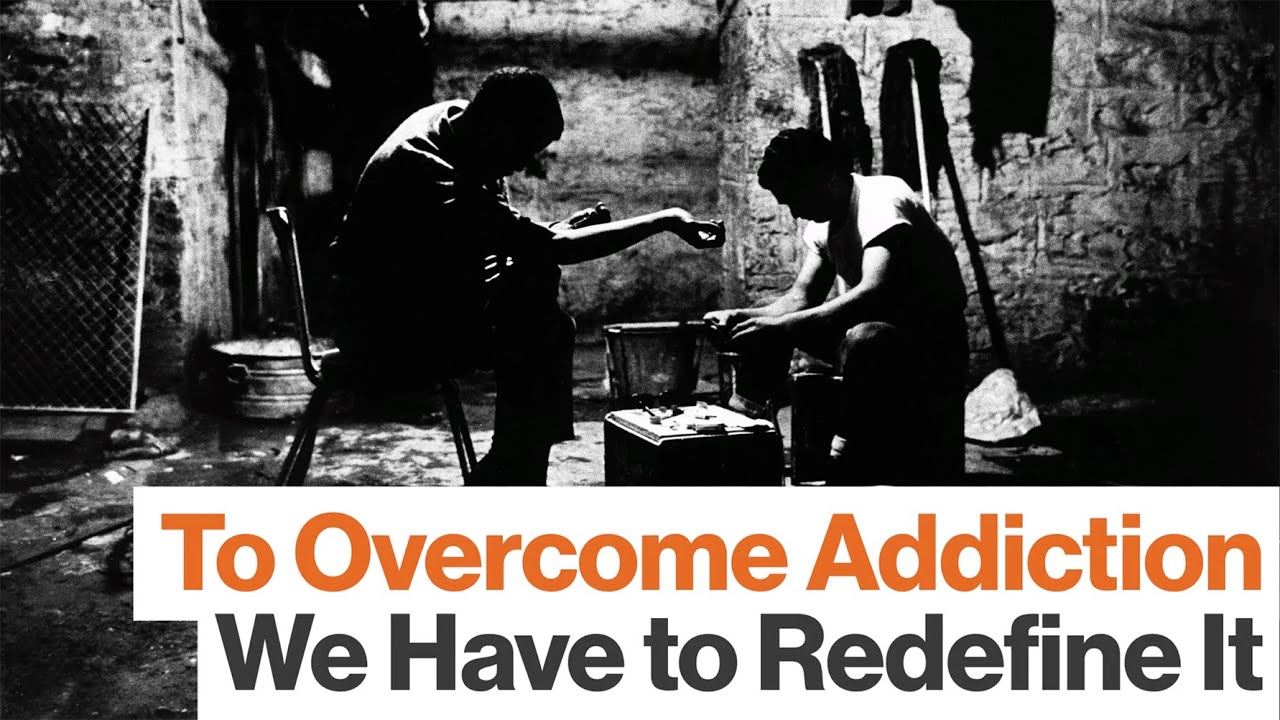
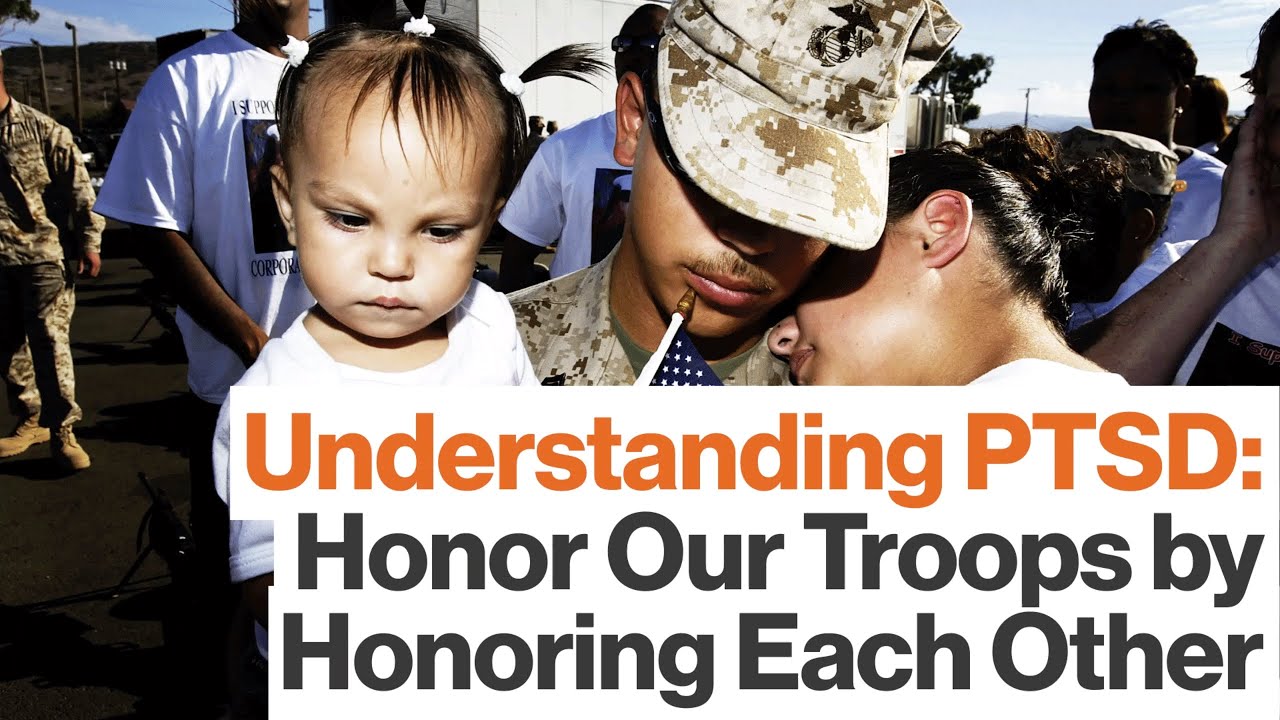
Posttraumatic stress disorder (PTSD) can strike almost anyone. It is the unwanted souvenir of experiences like car accidents, violence, witnessing death, tragic destruction, and all the things in between that most don’t want to think about. But perhaps its most common association is with war, where the condition is seen over and over again in soldiers to the point of cliche, although many of them don’t know what’s happening to them. The stigma of mental illness in America coupled with the thick-skin culture of the military means that many soldiers don’t talk about these things, and don’t share the pain of what they went through with family and friends.
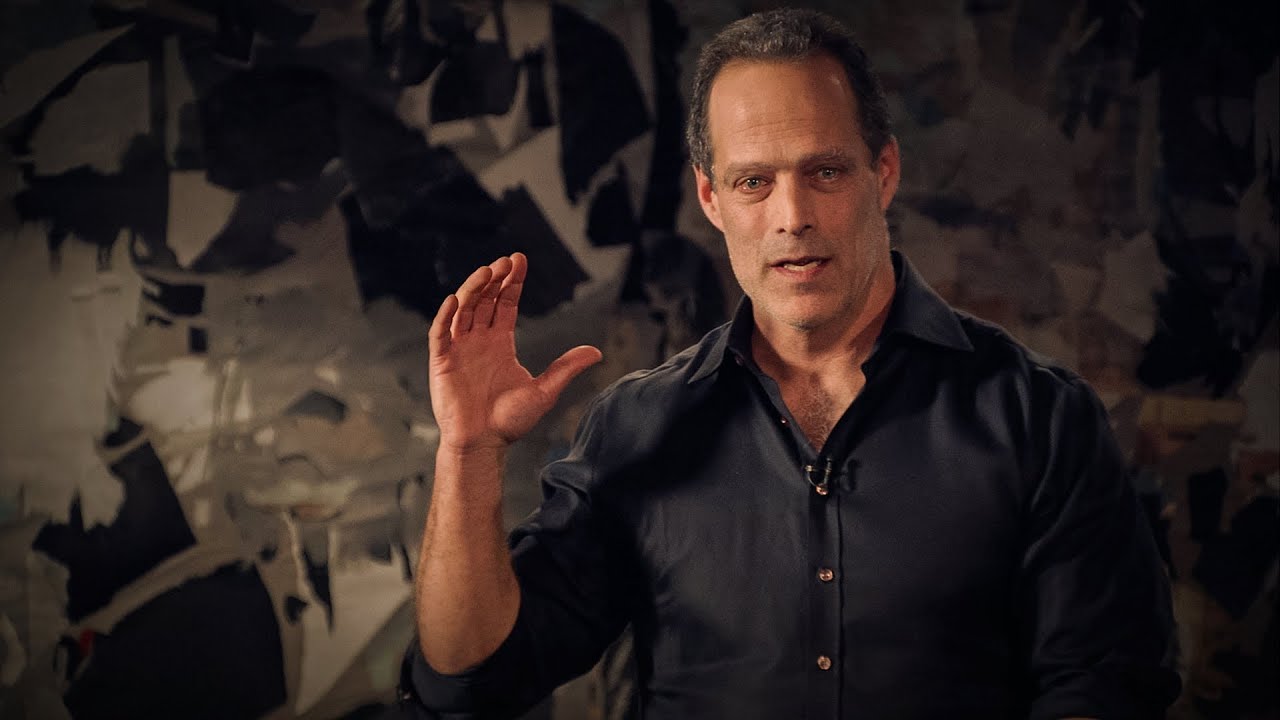
PTSD wasn’t officially recognized until 1980, and even when Sebastian Junger – journalist and author of several books including his latest, Tribe: On Homecoming and Belonging – was reporting on war in the 1990s, he had never even heard of it. Even after he spent two months in a combat zone in Afghanistan in 2000, he didn’t understand the nature of his panic attacks on the subway when he returned home. It wasn’t until he suffered these feelings for some time that he realized trauma could have long-lasting effects.
The fight or flight panic of a PTSD episode evolved as a survival aid, sparking within someone all the instincts they need to survive, but there comes a point when it only serves as a negative impact and an impediment to a normal life.
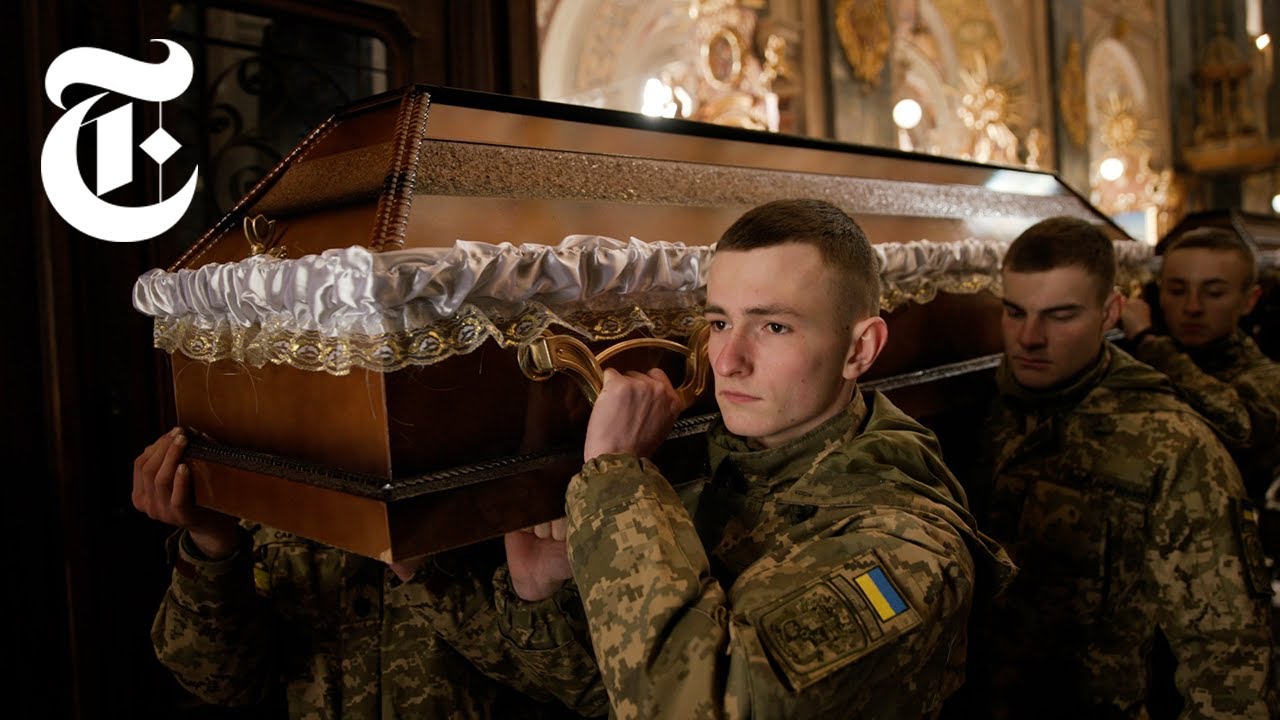
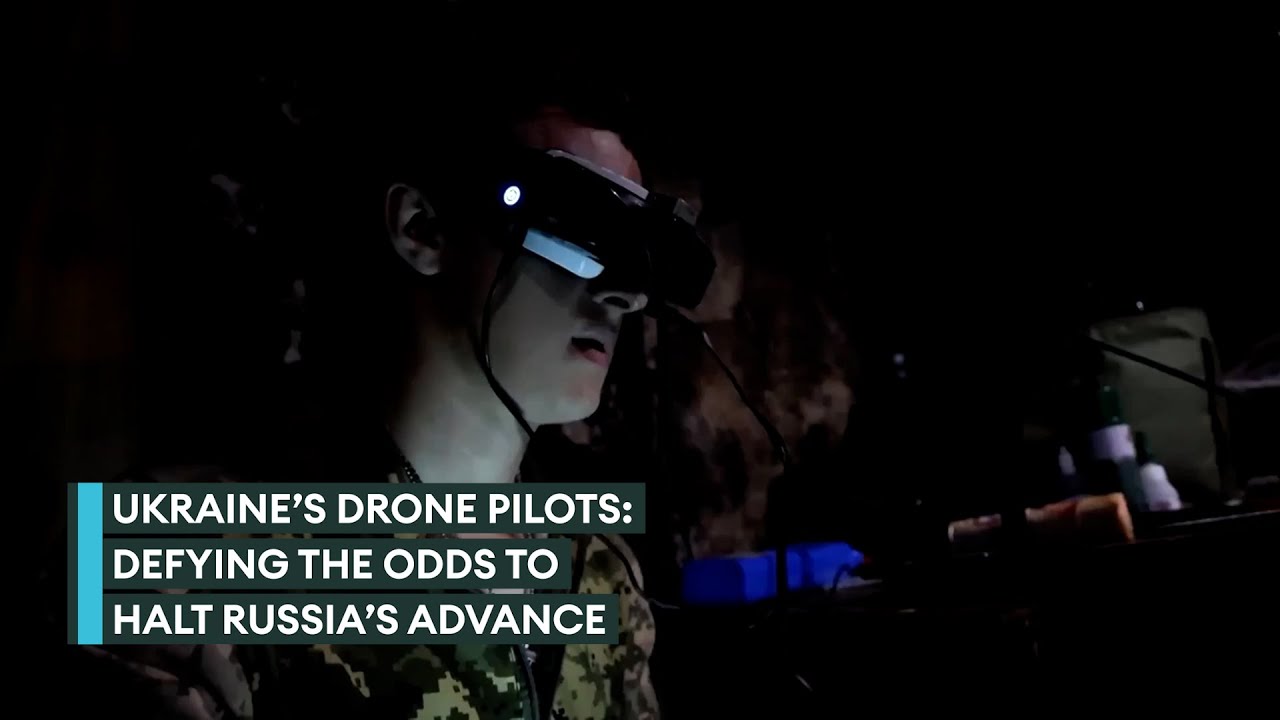
Junger returned to Afghanistan again in 2007, spending a year with a platoon in the Korengal Valley, turning his experience into the award-winning documentary Restrepo. Sparked by his own experience and the experiences of the many soldiers he knew, Junger book Tribe examines the PTSD phenomenon and debates whether it is expressly experiencing trauma that causes the disorder, or whether the root cause is something else. After all, approximately 20 per cent of the US military suffers from PTSD even though only 10 per cent of soldiers ever experience combat. Drone pilots, who operate from a safe distance with the push of a button, experience the same rate of PTSD as soldiers in direct combat. Junger believes the disorder might not be related purely to the experience of war, but the homecoming after the war.
In experiencing the close-knit tribal relationships between soldiers, Junger discovered that all the usual prejudices of race, class and sex are nullified within a military platoon. The day-to-day life soldiers share – eating, showering, sleeping, working, and surviving side by side – is so unifying that these typical social divides are bridged by brotherhood. But when it’s time for soldiers to come home, they return to an America that is torn apart by racial violence, mass shootings, political voices that actively seek to wall out certain groups, hateful rhetoric, and such grave social division that their homeland somehow has become more alien to them than the foreign land they fought in. Is this what they were fighting for? A country at war with itself? Junger argues that this widespread social conflict, in direct opposition to the camaraderie they experienced during their service, is perhaps what shocks veterans most deeply.
Sebastian Junger's book is Tribe.
----------------------------------------------------------------------------------
SEBASTIAN JUNGER:
Sebastian Junger is the #1 New York Times Bestselling author of THE PERFECT STORM, FIRE, A DEATH IN BELMONT, WAR and TRIBE. As an award-winning journalist, a contributing editor to Vanity Fair and a special correspondent at ABC News, he has covered major international news stories around the world, and has received both a National Magazine Award and a Peabody Award. Junger is also a documentary filmmaker whose debut film "Restrepo", a feature-length documentary (co-directed with Tim Hetherington), was nominated for an Academy Award and won the Grand Jury Prize at Sundance.
--------------------------------------------------------------------------------
TRANSCRIPT:
Sebastian Junger: PTSD is a confusing phrase I think for a lot of people. I mean first of all it’s not just something that soldiers get. It’s not just something that happens at war. Life is traumatic. There are car accidents, children die of cancer. I mean all kinds of horrible things happen to civilians and they wind up with a long term traumatic reaction which is just as crippling as what could happen to soldiers in combat. So it’s important to remember this is just the human condition that we’re talking about. When I was covering war in the nineties I had never heard of the term PTSD......
To read the transcript, please go to https://bigthink.com/videos/sebastian...
Повторяем попытку...
Доступные форматы для скачивания:
Скачать видео
-
Информация по загрузке: