Paleolithic Hunter Gatherer Lifestyles (Podcast)
Автор: about-the-world
Загружено: 2026-01-16
Просмотров: 5
Описание:
The Daily Search for Food
During the Paleolithic era, people spent most of their time looking for food to survive. They relied on hunting wild animals and gathering plants like berries, nuts, and roots from the environment. Since they did not know how to farm, their diet depended entirely on what nature provided in each season. Men often focused on hunting larger prey while women and children gathered plant-based foods near their camps. This constant search for nutrition meant that everyone in the group had a specific role to play.
Living as Nomadic Groups
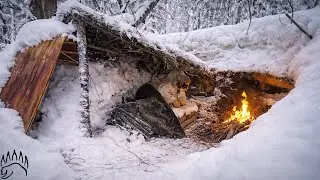
Paleolithic people were nomads who moved from one place to another instead of living in permanent homes. They followed herds of animals and moved when the local plant supply was exhausted or the weather changed. Their shelters had to be easy to build and take down, such as simple tents made of animal skins and wooden poles. Sometimes they used natural caves for protection against the cold and dangerous predators. Moving frequently allowed them to find the best resources throughout different times of the year.
Tools Made of Stone
The Paleolithic era is often called the Old Stone Age because humans created tools primarily from stone. They used a technique called knapping to chip away at rocks like flint to create sharp edges. These hand axes and scrapers were essential for cutting meat, cleaning animal skins, and carving wood. Over thousands of years, their tool-making skills improved, leading to more specialized items like spear points and needles. Having the right tools was the key to survival in a world without modern technology.
Mastering the Use of Fire
One of the most important discoveries for early humans was learning how to control and use fire. Fire provided warmth during cold nights and kept dangerous wild animals away from the campsite. It allowed people to cook their meat, which made it easier to digest and killed harmful bacteria. Groups would gather around the fire in the evening to share stories and strengthen their social bonds. Fire also provided light, which extended the hours of the day and allowed for activities after sunset.
Clothing and Protection
To survive in different climates, Paleolithic people learned how to make clothing from the environment around them. They used the hides of animals they hunted, such as deer or bison, to create warm wraps. After cleaning the skins with stone scrapers, they used bone needles and animal sinew to sew the pieces together. This clothing was vital for protection against rain, wind, and freezing temperatures during the ice ages. Wearing sturdy boots made of leather also helped them travel long distances over rough terrain.
Communication and Language
Early humans developed complex ways to communicate with each other to coordinate hunts and share information. While they did not have a written alphabet, they likely used a combination of spoken words, gestures, and symbols. Language allowed them to pass down knowledge about which plants were safe to eat and where to find water. It also helped them organize social rules and plan for the future as a community. Effective communication was a major advantage that helped humans survive and outcompete other species.
Повторяем попытку...

Доступные форматы для скачивания:
Скачать видео
-
Информация по загрузке: