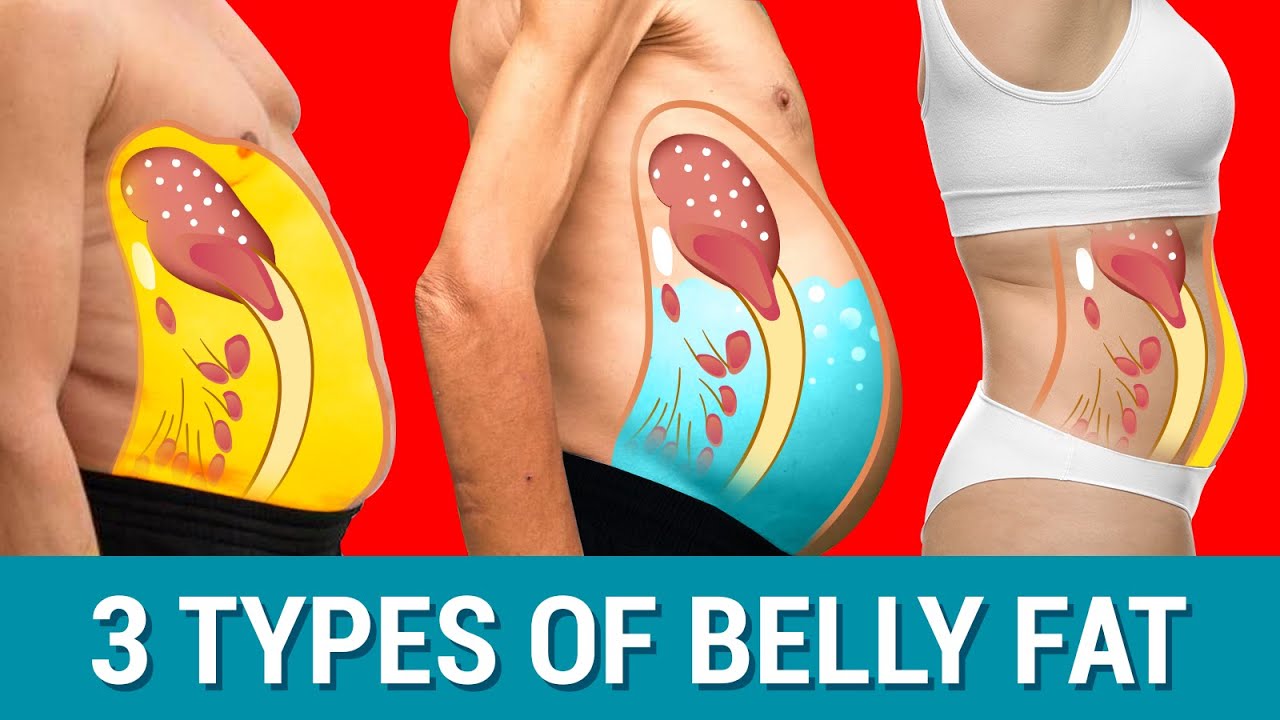
Belly Fat Explained, Understanding Visceral vs. Subcutaneous Fat
Автор: Dr. Constantin
Загружено: 2023-09-24
Просмотров: 1412
Описание:
What are the types of belly fat and how are they different?
Why is visceral fat considered more dangerous than subcutaneous fat?
How does visceral fat contribute to systemic inflammation?
What are the risks associated with elevated levels of inflammatory markers?
How do hormones like leptin play a role in visceral fat's effects on the body?
How can one determine the accumulation of visceral fat in the body?
What factors contribute to the accumulation of visceral fat?
What dietary components can increase or decrease the risk of visceral fat deposition?
How do exercises, especially aerobic and HIIT, impact visceral fat?
Important Highlights:
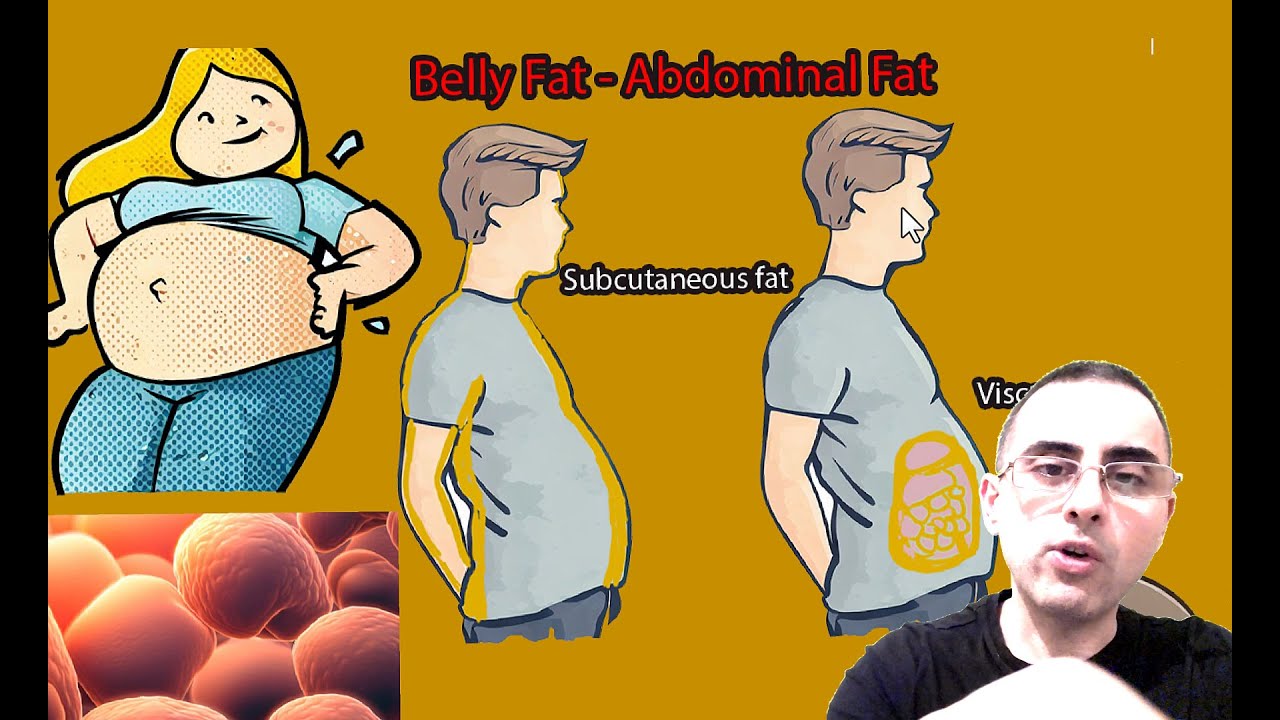
Belly fat can be categorized into visceral (inside the abdomen) and subcutaneous (under the skin) types.
Visceral fat, when accumulated, becomes hypoxic leading to cell death and release of inflammatory cytokines.
Elevated interleukin-6 levels double the risk of heart attacks.
High inflammatory marker levels can increase diabetes and cancer risks by 20%.
An abundance of visceral fat can cause leptin resistance, desensitizing the brain to its appetite-suppressing effects.
Men typically have more belly fat than women, a disparity influenced by testosterone levels.
Genetic markers can increase visceral fat deposition by around 50%.
Inactivity, sugary drinks, and trans fats are significant contributors to visceral fat accumulation.
Whole grains, good fats, and lean proteins can help reduce visceral fat risks.
Aerobic exercise and HIIT have been shown to be particularly effective in reducing visceral fat.
Повторяем попытку...
Доступные форматы для скачивания:
Скачать видео
-
Информация по загрузке: