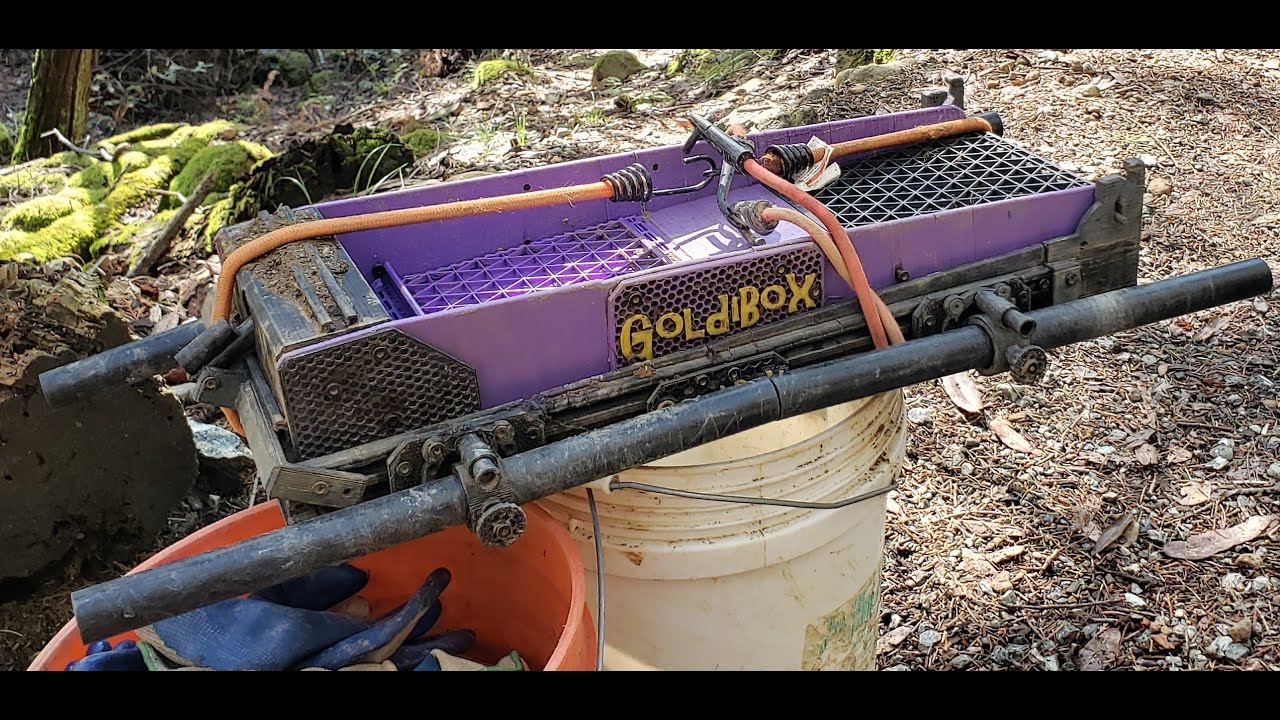
Jumbo 3D Printed Fluid Sluice Box with Inline Classifier (Model #3)
Автор: GoldiBox Prospecting
Загружено: 2020-01-08
Просмотров: 4365
Описание:
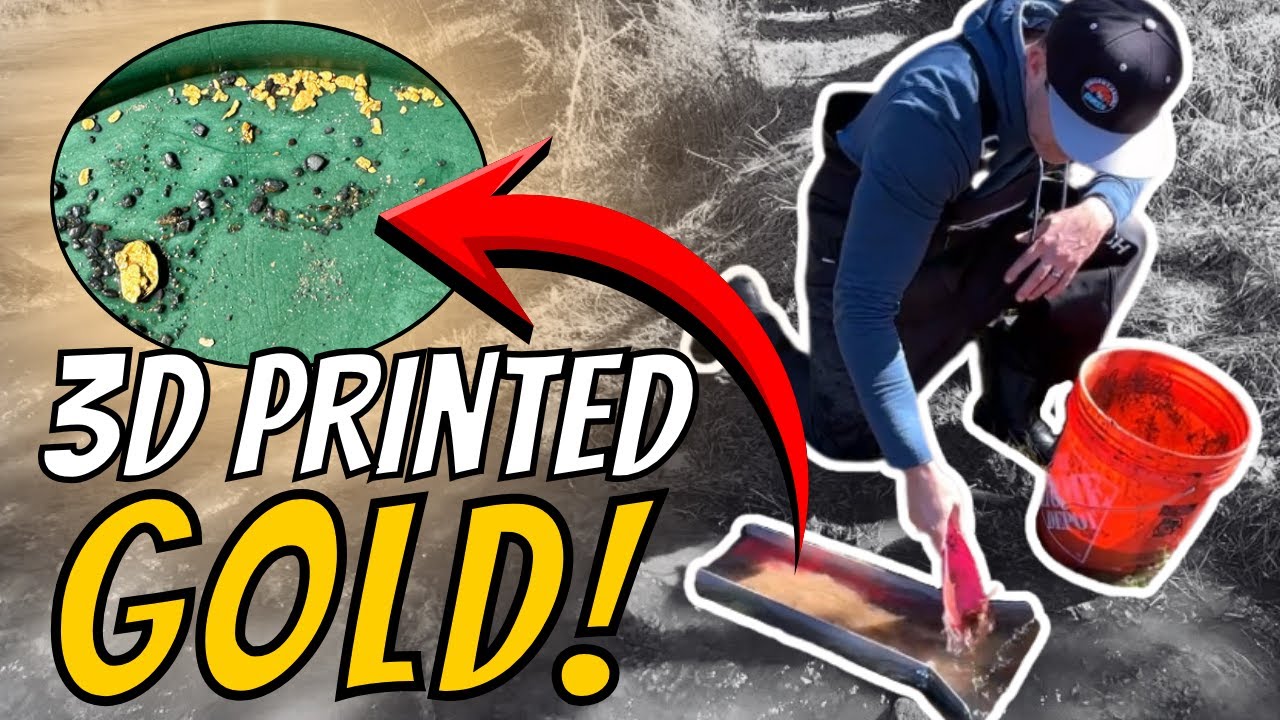
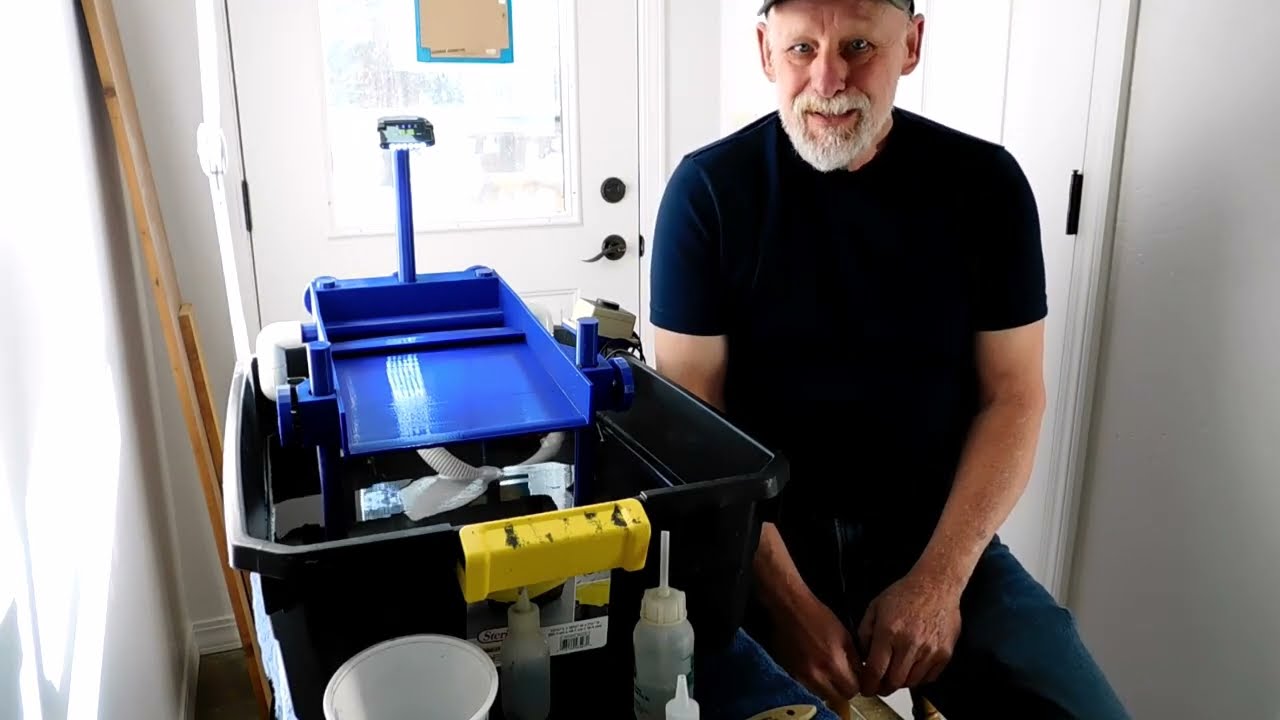
Two of my passions are gold prospecting and 3D printing. Put the two of them together, and really cool things can happen. Since 2014, I have been building, printing, experimenting, and prospecting with the many different models I've designed. All of them catch gold. Some better than others.
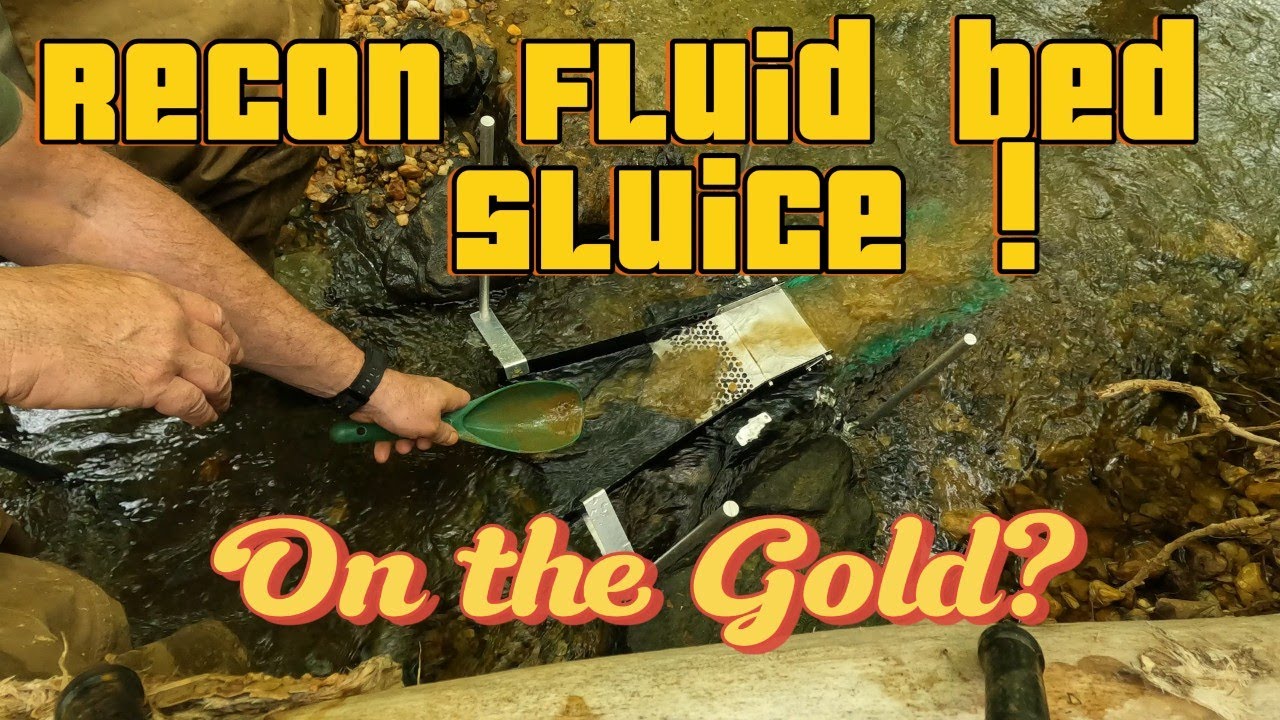
Note: This was shot in early 2017. Yes, this is similar to Aurora's Recon Expedition sluice (now Snake River Mining). I used to own an Expedition that I bought at my local mining shop, but the creek washed it away because I had carelessly placed the bracing rocks. I liked the design's simplicity and the quick clean-outs. What I didn't like was having to buy another one. So I decided to make my own. If you add up all the snuffer bottles, gold pans, knee pads, and sluice boxes the creek has stolen from me, the score would be 23-0 in favor of the creek. But we're a stubborn bunch, so make more.
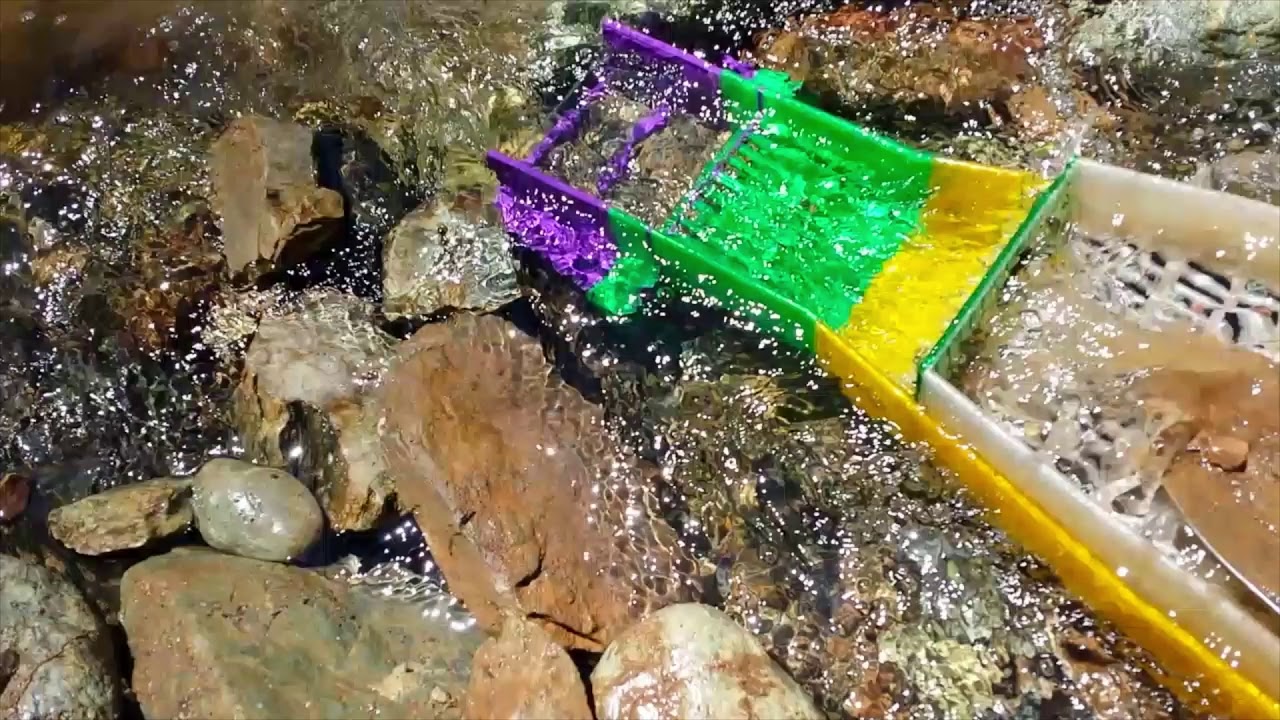
This sluice can process approximately 4-5 five-gallon buckets per hour when set up correctly. The classifier is not needed when running material that is not full of clay. The mossing example shows a really low-impact way to spend a day at the creek and find color. I bring my friends and their kids down there and the kids can do it all day long. It's a good intro for them vs. handing them a shovel and telling them to, "Go dig there". You would be surprised at how much gold the moss holds. Mostly flour and fines, but an occasional flake or picker. (moss grows out of crevices)
Obviously, when mossing or running heavy clay it slows down the amount that can be processed per hour but it is a good example of the classifier doing it's thing. When running gravels that are not super gooey, you can just shovel into the flare without the classifier and let the grizzly bars do the classification. The sluice classifies to .20 inches. Both the sluice and classifier are sturdy and strong. What turned out to not be so sturdy was my joining method of the various sluice sections. I thought a flat butt joint with epoxy would be sufficient but after 2 years, the joint gave way. So now all the joints are with bolts/hardware or biscuit joints and that is no longer a problem. The biscuits work exceptionally well and are super lightweight. You can see examples of those joints in my other videos.
Check out my other videos for more innovative prospecting gear. And if you like my videos, please like and subscribe.
Thanks for watching.
Повторяем попытку...
Доступные форматы для скачивания:
Скачать видео
-
Информация по загрузке: