Why do companies delist? Understand Delisting. Why Delisting may not be bad always
Автор: LBCGGN
Загружено: 2024-04-04
Просмотров: 33
Описание:
Delisting is a crucial process in the stock market landscape, often indicating significant changes within a company or regulatory environment. This report provides an overview of the delisting process based on information gathered from a video transcript.
Before delving into delisting, it's essential to understand the listing process. Companies opt for listing on stock exchanges primarily to raise funds for expansion, provide liquidity for investors, and enhance their market presence. Once listed, companies must adhere to regulatory requirements, including transparency and corporate governance standards.
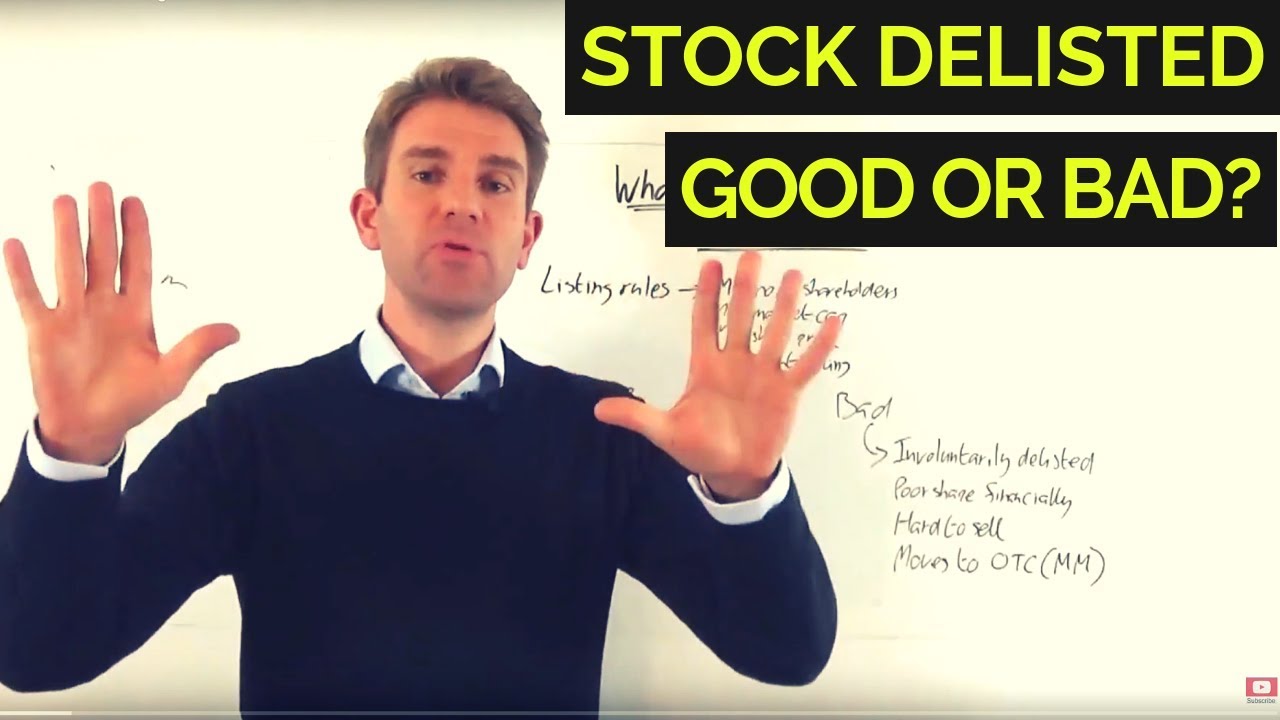
Delisting refers to the removal of a company's shares from a stock exchange, rendering them no longer tradable. Delisting can occur voluntarily, initiated by the company itself, or involuntarily, mandated by regulators due to non-compliance with exchange rules.
Types of Delisting:
Voluntary Delisting: Companies may choose to delist for various reasons, such as restructuring, reducing compliance costs, or pursuing strategic objectives.
Involuntary Delisting: Regulators may initiate delisting if a company fails to comply with exchange rules and regulations.
Delisting Procedures:
The delisting process involves several steps:
Notification: The company notifies its intention to delist, and trading of its shares on the exchange halts.
Shareholder Approval: Shareholders must approve the delisting process, either voluntarily or involuntarily.
Price Determination: The price of shares is determined through mechanisms like reverse book building, wherein shareholders offer their shares at a price equal to or above the floor price set by the company.
Settlement: Once the price is determined, settlement occurs through the relevant clearing corporation.
Implications for Shareholders:
Shareholders have options during the delisting process:
Selling Shares: Shareholders may sell their shares to the acquiring entity during voluntary delisting.
Retaining Shares: Shareholders can choose to retain their shares post-delisting, but this carries risks such as decreased stock prices and reduced liquidity.
Preconditions for Delisting:
Certain prerequisites must be met for delisting:
Minimum Listing Period: The company must be listed for a specified duration, typically three years.
Cooling-off Period: A cooling-off period is required post-buyback or failed delisting attempts.
Securities Format: All outstanding securities should be in the form of equity shares.
Examples and Regulatory Framework:
The report cites examples of companies undergoing delisting, both voluntary and involuntary, and mentions regulations set by regulatory bodies such as SEBI (Securities and Exchange Board of India.
Delisting is a significant event in a company's lifecycle, signalling strategic shifts or regulatory compliance issues. Understanding the delisting process and its implications is crucial for investors, regulators, and market participants alike.
Повторяем попытку...
Доступные форматы для скачивания:
Скачать видео
-
Информация по загрузке:










![Почему взрываются батарейки и аккумуляторы? [Veritasium]](https://imager.clipsaver.ru/a3-3R9zwyGY/max.jpg)