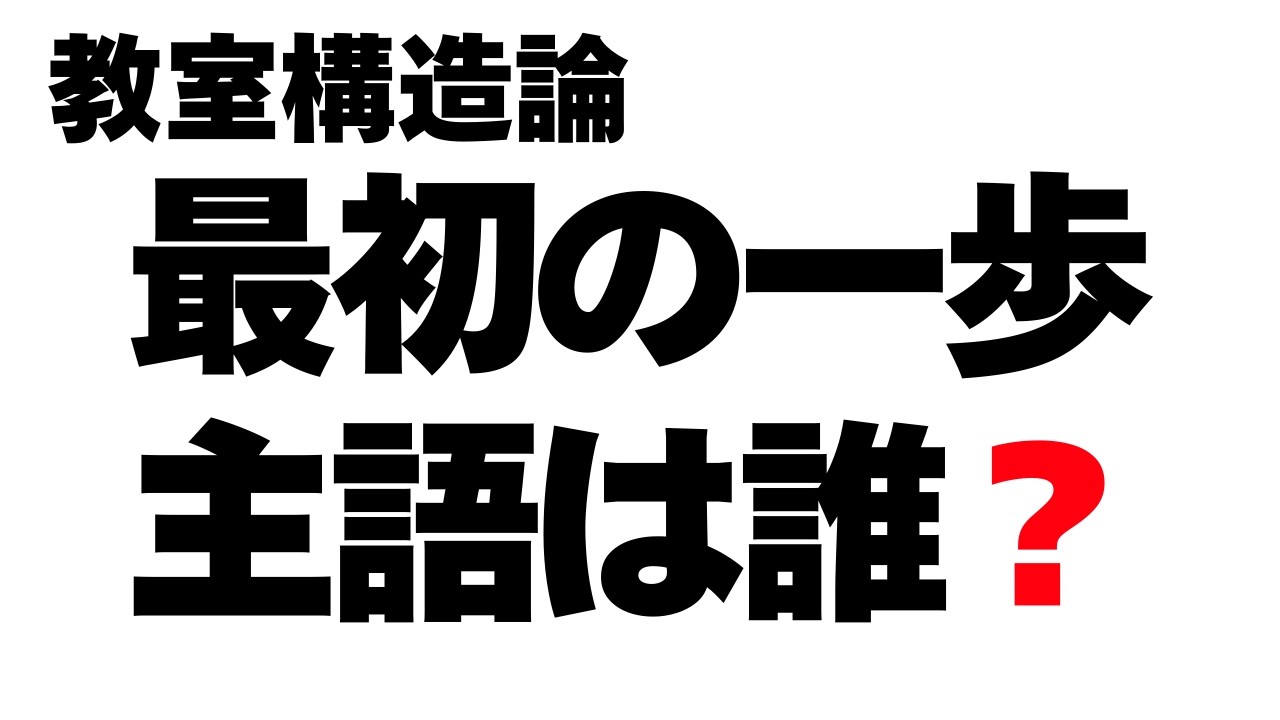
クラスが荒れない担任の共通点 教室に入る最初の一歩 新学習指導要領(2030年ごろ全面実施予定)のポイント 文部科学省中央教育審議会教育課程部会配付資料を軸に
Автор: 学習指導要領ラボ
Загружено: 2026-02-27
Просмотров: 43
Описание:
学習指導要領は「主体的・対話的で深い学び」を掲げています。
しかし、その学びはいつ始まるのでしょうか。
授業開始のチャイムでしょうか。
最初の発問でしょうか。
私は「教室に入る一歩目」だと考えています。
教室に入るとき、
あなたは黒板に向かっていますか。
それとも子どもに向かっていますか。
その一歩目で、
その日の授業の「主語」が決まります。
黒板に向かって入る教師は、無意識に内容中心の構造を再生産します。
子どもに向かって入る教師は、学習者中心の構造を身体で示します。
右足か左足かは問題ではありません。
問題は、どこに向かっているかです。
今回は、授業以前の0秒にある「教室構造」を考えます。
参考文献
参考文献
Ashcraft, M. H., & Kirk, E. P. (2001). The relationships among working memory, math anxiety, and performance. [ワーキングメモリ、数学不安、およびパフォーマンスの関連] Journal of Experimental Psychology: General, 130(2), 224‒237.
Bandura, A. (1997). Self-efficacy: The exercise of control. Freeman. (本田恵子・定村立夫・岡田斉(訳) (2015). 『自己効力感』 星和書店)
Barsalou, L. W. (2008). Grounded cognition. [接地された認知] Annual Review of Psychology, 59, 617‒645.
Beck, J. S. (2011). Cognitive behavior therapy: Basics and beyond (2nd ed.). Guilford Press. (神村栄一(訳) (2015). 『認知療法:基礎と実践(第2版)』 星和書店)
Collins, R. (2004). Interaction ritual chains. Princeton University Press. (山下雅之・三門乙彦・高橋徹(訳) (2010). 『相互作用儀礼の連鎖:対面行動のミクロ社会学』 新曜社)
Corbetta, M., & Shulman, G. L. (2002). Control of goal-directed and stimulus-driven attention in the brain. [脳における目標指向型注意と刺激駆動型注意の制御] Nature Reviews Neuroscience, 3(3), 201‒215.
Deci, E. L., & Ryan, R. M. (2000). The "what" and "why" of goal pursuits. [ゴール追求の「何」と「なぜ」] Psychological Inquiry, 11(4), 227‒268.
Edmondson, A. (1999). Psychological safety and learning behavior in work teams. [ワークチームにおける心理的安全性と学習行動] Administrative Science Quarterly, 44(2), 350‒383.
Gollwitzer, P. M. (1999). Implementation intentions: Strong effects of simple plans. [実行意図:単純な計画の強力な効果] American Psychologist, 54(7), 493‒503.
Gollwitzer, P. M., & Sheeran, P. (2006). Implementation intentions and goal achievement: A meta-analysis of effects and processes. [実行意図と目標達成:効果とプロセスのメタ分析] Advances in Experimental Social Psychology, 38, 69‒119.
Gross, J. J. (1998). The emerging field of emotion regulation: An integrative review. [感情調節という新興分野:統合的レビュー] Review of General Psychology, 2(3), 271‒299.
Grolnick, W. S., & Ryan, R. M. (1989). Parent styles associated with children's self-regulation and competence in school. [子どもの自己調節および学校での有能感に関連する養育スタイル] Journal of Educational Psychology, 81(2), 143‒154.
Hatfield, E., Cacioppo, J. T., & Rapson, R. L. (1993). Emotional contagion. [情動伝染] Current Directions in Psychological Science, 2(3), 96‒99.
James, W. (1890). The principles of psychology (Vol. 2). Henry Holt and Company. (今田寛(訳) (1992). 『心理学原理(中)』 岩波文庫)
Kabat-Zinn, J. (1994). Wherever you go, there you are: Mindfulness meditation in everyday life. Hyperion. (春木豊(訳) (2007). 『マインドフルネス瞑想:ガイドブック』 佼成出版社)
Kyriacou, C. (2001). Teacher stress: Directions for future research. [教員のストレス:今後の研究の方向性] Educational Review, 53(1), 27‒35.
Lally, P., van Jaarsveld, C. H. M., Potts, H. W. W., & Wardle, J. (2010). How are habits formed: Modelling habit formation in the real world. [習慣はいかに形成されるか:現実世界における習慣形成のモデル化] European Journal of Social Psychology, 40(6), 998‒1009.
文部科学省 (2023). 『令和4年度教員勤務実態調査報告書(確定値)』 文部科学省.
OECD (2019). TALIS 2018 Results (Volume I): Teachers and School Leaders as Lifelong Learners. OECD Publishing. (国立教育政策研究所(訳) (2019). 『教員環境の国際比較:OECD国際教員指導環境調査(TALIS)2018報告書』)
Pekrun, R. (2006). The control-value theory of achievement emotions: Assumptions, corollaries, and implications for educational research and practice. [達成感情の制御-価値理論:教育研究と実践への示唆] Educational Psychology Review, 18(4), 315‒341.
Posner, M. I. (1980). Orienting of attention. [注意の定位] Quarterly Journal of Experimental Psychology, 32(1), 3‒25.
Roeser, R. W., Schonert-Reichl, K. A., Jha, A., Cullen, M., Wallace, L., Wilensky, R., et al. (2013). Mindfulness training and reductions in teacher stress and burnout: Results from two randomized, waitlist-control field trials. [マインドフルネス・トレーニングと教員のストレスおよびバーンアウトの軽減] Journal of Educational Psychology, 105(3), 787‒804.
Roorda, D. L., Koomen, H. M. Y., Spilt, J. L., & Oort, F. J. (2011). The influence of affective teacher‒student relationships on students' school engagement and achievement: A meta-analytic approach. [教師・生徒関係の情動的影響が生徒のエンゲージメントと成績に与える効果:メタ分析的アプローチ] Review of Educational Research, 81(4), 493‒529.
Schön, D. A. (1983). The reflective practitioner: How professionals think in action. Basic Books. (佐藤学・秋田喜代美(訳) (2001). 『省察的実践とは何か:プロフェッショナルの行為と思考』 鳳書房)
Strack, F., Martin, L. L., & Stepper, S. (1988). Inhibiting and facilitating conditions of the human smile: A nonobtrusive test of the facial feedback hypothesis. [人間の笑顔を抑制・促進する条件:顔面フィードバック仮説の非侵襲的検証] Journal of Personality and Social Psychology, 54(5), 768‒777.
Wood, W., & Rünger, D. (2016). Psychology of habit. [習慣の心理学] Annual Review of Psychology, 67, 289‒314.
新学習指導要領(2030年ごろ全面実施予定)までに学んでおきたいポイント 文部科学省中央教育審議会教育課程部会配付資料を軸にこれからの学校教育に必要な要素を紐解きます。
本シリーズは、公立中学校教頭としての実践経験と公認心理師・学校心理士としての心理学的視点を踏まえ、学習指導要領を“現場で使える思考の地図”として再構成する試みです。本チャンネルは教育関係者向けの研修・思考整理用アーカイブです。エンタメ要素は意図的に排しています。
Повторяем попытку...
Доступные форматы для скачивания:
Скачать видео
-
Информация по загрузке: