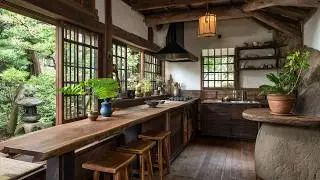
Passive Architectural Techniques in Japanese Architecture
Автор: Dr. Mahtab | Architecture & Design
Загружено: 2025-12-08
Просмотров: 193
Описание: Traditional Japanese architecture is rich in passive environmental techniques that respond to Japan’s humid, warm climate while maintaining comfort through natural means. Buildings are typically oriented to the south to capture winter sunlight and block excessive summer heat, forming the basis of climate-responsive design. The use of flexible modular spaces, such as fusuma sliding walls, allows interiors to expand or contract according to seasonal needs—opening spaces for airflow in summer or closing them to retain warmth in winter. Many traditional homes incorporate courtyards and internal gardens, which create microclimates, bring natural ventilation, and cool the surrounding air through vegetation and evapotranspiration. Raised floors further support comfort by allowing airflow beneath the structure, reducing humidity and cooling the interior during hot months. Natural materials such as wood, paper, and earth provide breathability and regulate indoor moisture, while tatami flooring made from straw naturally absorbs and releases humidity to balance indoor air quality. The architecture relies heavily on natural cross-ventilation, achieved through aligned openings and minimal interior barriers that facilitate consistent air movement. Shoji screens diffuse soft daylight and allow gentle ventilation, and sudare bamboo blinds offer adjustable shading and privacy that reduce heat gain. Deep eaves and roof overhangs protect against high summer sun while allowing low winter sunlight to enter, enhancing seasonal thermal comfort. Finally, the engawa, a semi-outdoor veranda, acts as a thermal buffer zone that provides shade, ventilation, and a smooth transition between interior and exterior spaces, making it one of the most iconic passive features of Japanese architecture.
Повторяем попытку...

Доступные форматы для скачивания:
Скачать видео
-
Информация по загрузке: