The B-Side of the Story - Karen Bishop Tribute
Автор: The Found Sound Archive
Загружено: 2025-11-28
Просмотров: 735
Описание:
When word first reached us of Karen Bishop’s passing, it came not with a headline or a phone call from the usual underground circles, but via an algorithmically recommended obituary on a real estate lawyer’s blog. “Karen Bishop-Lowell, 79, Civic Reformer." The headline struck me as both poetic and savage.
For those of us embedded in the deep grooves of ’60s psych history, Karen Bishop was not obscure. She was incandescent. She was myth. She was the storm in The Apostrophes’ bottle. And yet, in the end, she was remembered primarily as a two-term city council member, a PTA firebrand, and the ex-wife of a South Pasadena insurance broker.
Her official obituary—polite, neatly framed, and scrubbed clean of her early days—mentioned nothing of her recordings, her scandals, or the way she once made Lionel Kratz bleed onstage with a broken tambourine.
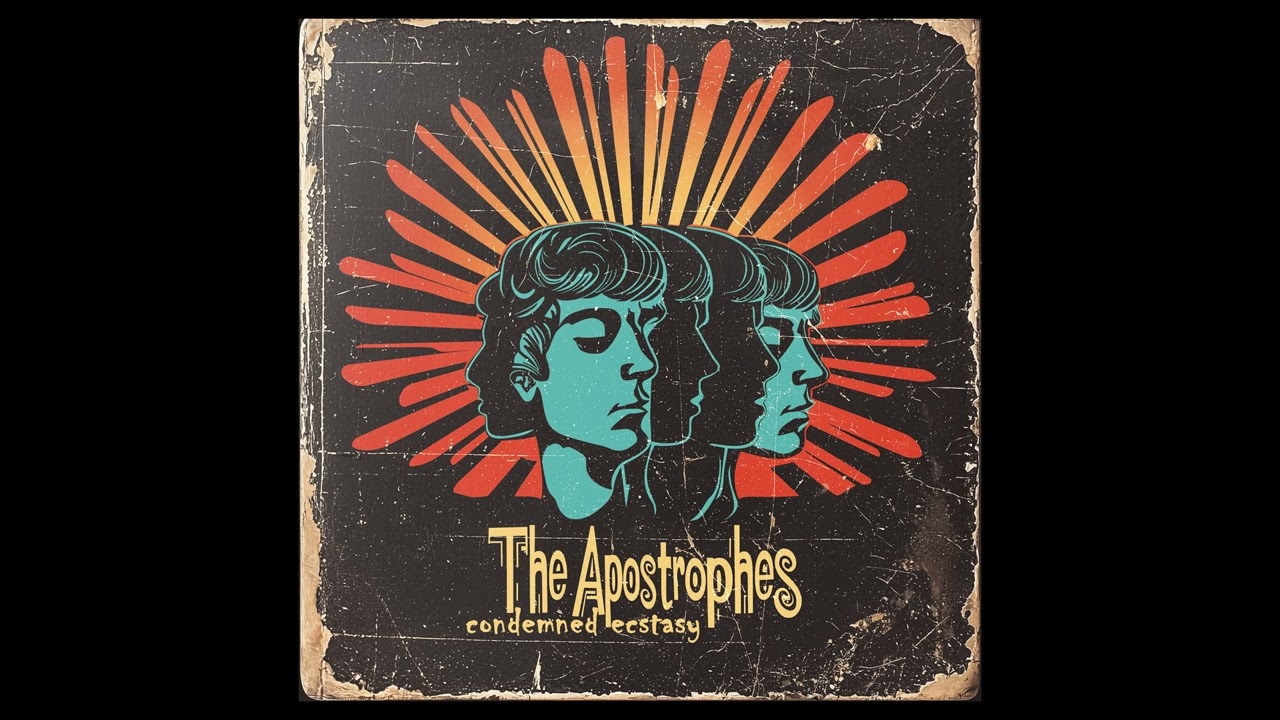
Though she died in relative obscurity, Bishop's early life was anything but quiet. Born in 1946, she rose to prominence — or infamy — as the magnetic, chaotic, and often maddening presence behind The Apostrophes, a psychedelic garage band whose sound and myth were built in equal measure on feedback, firelight, and fever dreams.
She was never officially listed as a band member. She didn't play an instrument. But by all accounts, she was the gravity center. Her poetry wound through their earliest lyrics like smoke. Her voice — equal parts whisper and war cry — appears, both credited and uncredited, on several tracks. And her influence on frontman Lionel Kratz was so total that bassist Renny Fuzz once called her “the divine aggravation that turned him into a prophet.”
We now know that Karen and Lionel shared more than music. The recordings suggest a creative relationship that could only have existed through obsession, conflict, and mutual myth-making. She once described their dynamic—during a rare 1983 public access interview—as “like arguing with a god in a mirror that always wins.” A god she worshiped. A mirror she tried to break.
Her relationship with Kratz was equal parts devotion and detonation. She worshipped him with an intensity that bordered on mysticism — and found her own ecstasy in challenging him, publicly and privately. Their affair, never acknowledged officially, is widely believed to have produced her only child, Jonah, born in the winter of 1969 shortly after her abrupt departure from the LA music scene.
In the following decades, Bishop reinvented herself. She married an insurance adjuster briefly in the ’70s, divorced without ceremony, and threw herself into local politics. She became a crusader for public school reform, arts funding, and mental health advocacy in East Los Angeles. “She made people furious,” said a former councilmember. “She asked the kind of questions you only ask when you know how it feels to be forgotten.”
Her relationship with Jonah was strained for years before collapsing entirely in his mid-twenties. The two remained estranged until her death. Friends say she never stopped writing him letters, though it's unclear if they were ever sent.
Karen Bishop-Lowell died quietly in her rent-controlled apartment, the cause of death was complications from chronic pulmonary disease.
He did not claim the estate. No family did. What remained was liquidated in a dusty church-run estate sale three months ago.
That’s where we come in.
PROPERTY OF K. BISHOP-LOWELL. The Found Sound Archive acquired four water-damaged boxes. Three bore nothing but a single cryptic glyph—what at first we thought was a careless slash mark. But on closer examination, it’s unmistakably an apostrophe. The fourth box, marked simply “KRATZ”. Inside? Unmarked reel-to-reel tapes. Notebooks filled with scribbled lyrics and dream fragments. Polaroids. Setlists. And letters between her and Lionel never meant to be read aloud.
There are early studio takes, bedroom demos, feedback-drenched arguments, and one tape that seems to capture Karen and Lionel in a shouting match that dissolves into what can only be described as sonic lovemaking through distortion and delay.
Whether these tapes are lost demos, solo experiments, or volatile experiments between Karen and Lionel remains to be seen. But it may be the most significant Apostrophes find since the fabled bootleg of 1968's ALPHAfest.
We don’t yet know the full scope of what we’ve recovered—but this discovery may reshape what we know about the early Apostrophes, about Kratz’s formative years, and the final chapters of The Apostrophes-whether they simply collapsed under the weight of themselves—is unclear. What’s clear is this: the story of The Apostrophes isn’t over. In fact, I suspect it hasn’t even really begun.
More soon.
— Blake Wexley, Music Historian & Archivist, Found Sound Archive
The Apostrophes - "The Sky Was Not So Very Tall"
Повторяем попытку...

Доступные форматы для скачивания:
Скачать видео
-
Информация по загрузке: