FATEHPUR SIKRI | AGRA | Buland Darwaza | Highest gateway in the world | Sheikh Salim Chishti Dargah
Автор: Ways n Wings
Загружено: 2022-09-18
Просмотров: 117
Описание:
Fatehpur Sikri is a town in the Agra District of Uttar Pradesh, India. Situated 35 kilometers from Agra, Fatehpur Sikri itself was founded as the capital of Mughal Empire in 1571 by Emperor Akbar. It remained the capital of India till 1585, when Akbar abandoned it due to a campaign in Punjab and was later completely abandoned in 1610.
The name of the city is derived from the village called Sikri. An Archaeological Survey of India excavation from 1999 to 2000 indicated that there was a habitation, temples and commercial centres here before Akbar built his capital. The region was settled by Sungas following their expansion. It was controlled by Sikarwar Rajputs from 7th to 16th century until the Battle of Khanwa (1527).
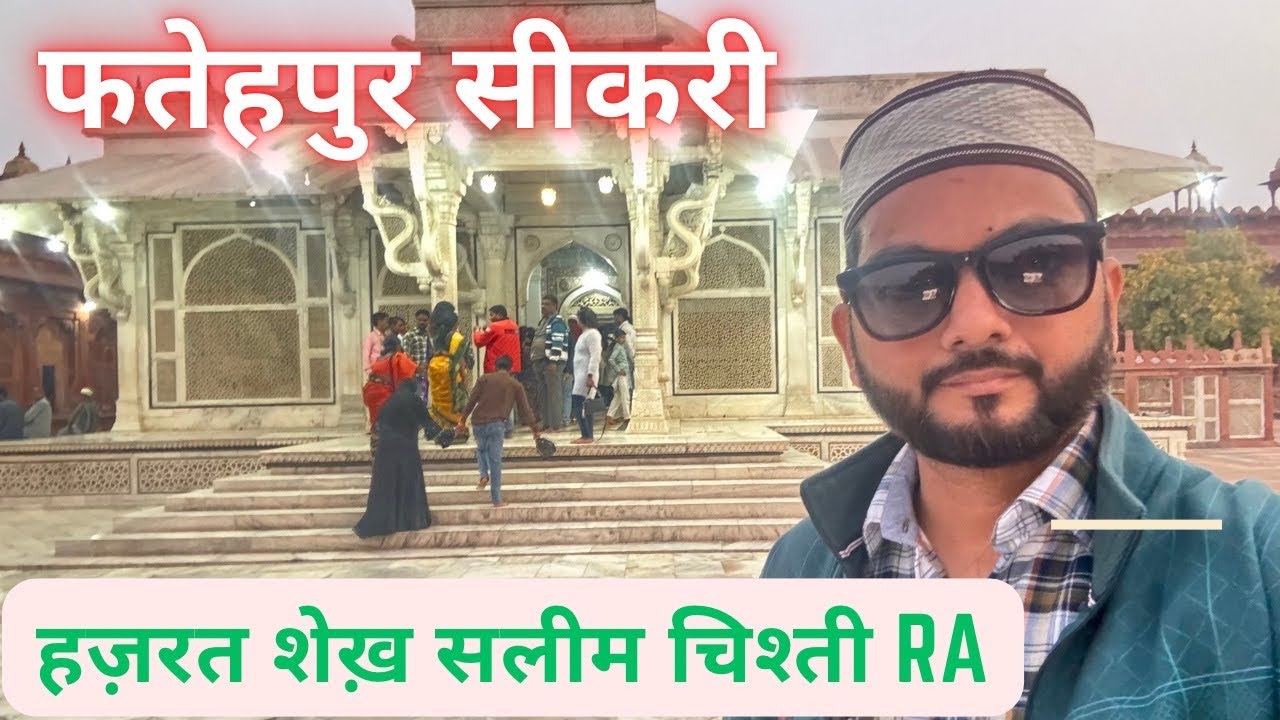
The khanqah of Sheikh Salim Chishti existed earlier at this place. Akbar's son Jahangir was born at the village of Sikri to his queen Jodha Bai in 1569. That year Akbar began construction of a religious compound to commemorate the Sheikh who had predicted the birth. After Jahangir's second birthday, he began the construction of a walled city and imperial palace here. The city came to be known as Fatehpur Sikri, the "City of Victory", after Akbar's victorious Gujarat campaign in 1573.
Fatehpur Sikri was awarded the status of UNESCO World Heritage Site in 1986.
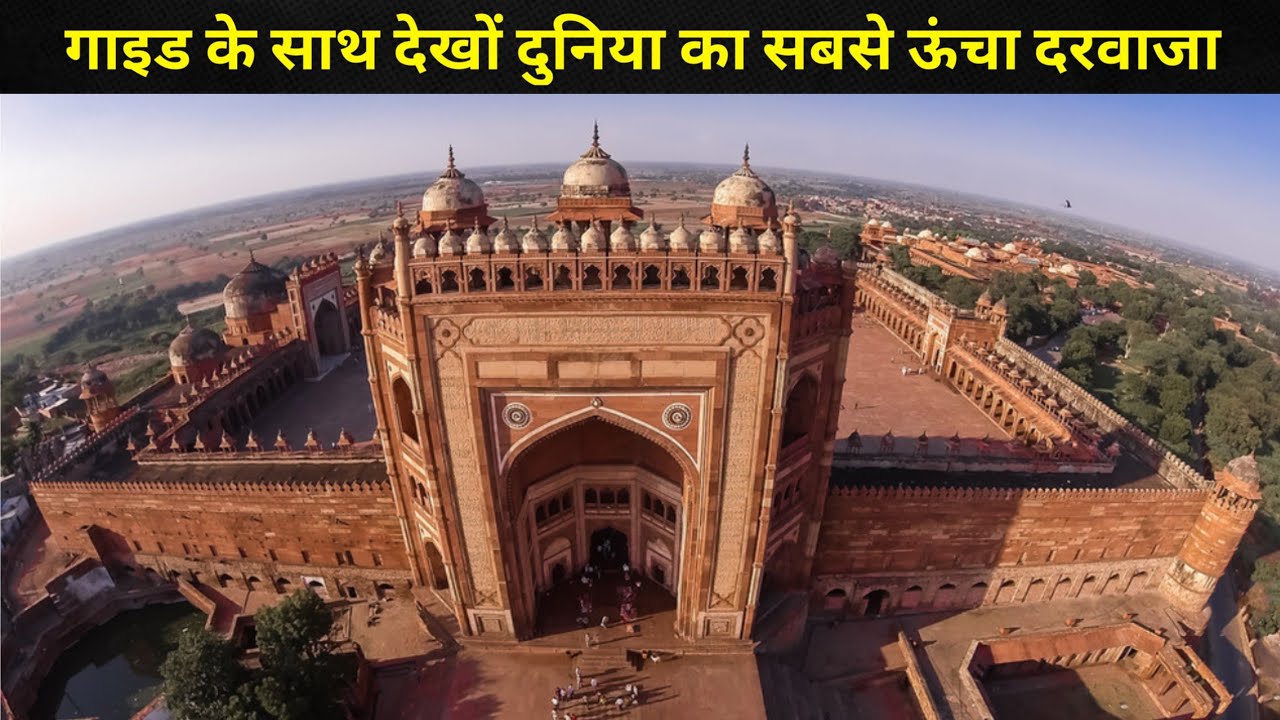
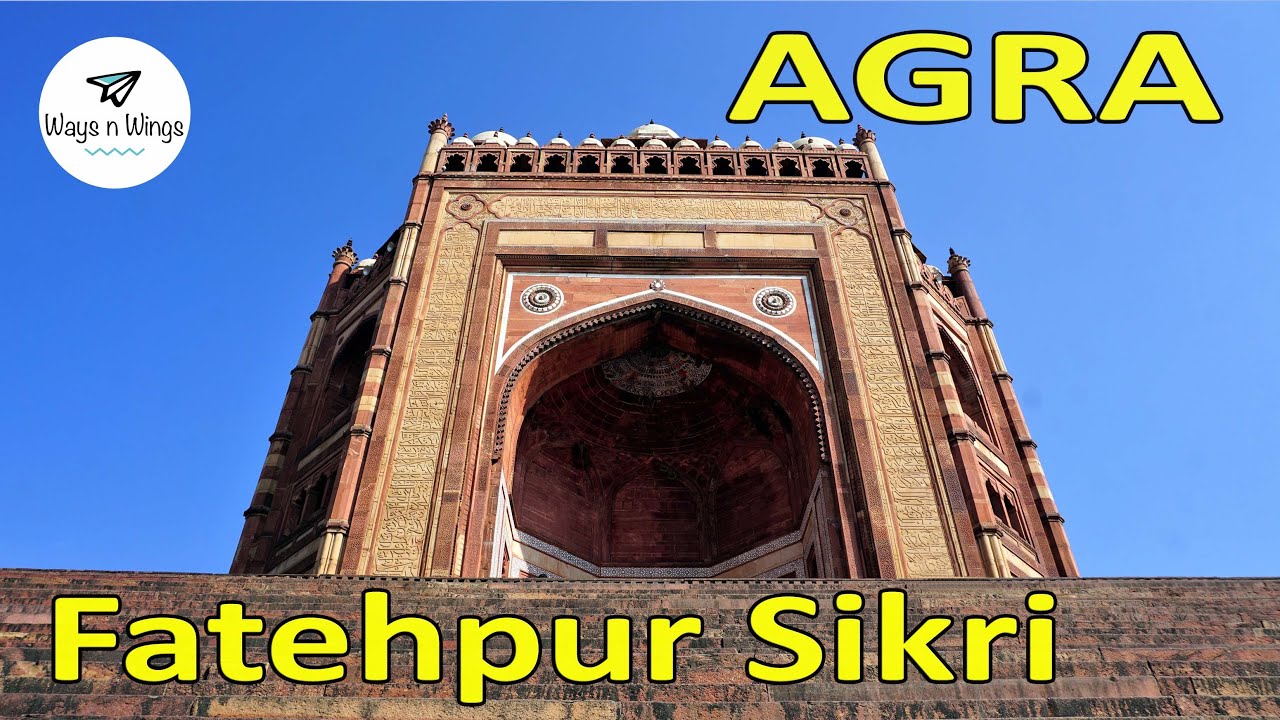
The Buland Darwaza was built in honour of his successful campaign in Gujarat. The reason for its abandonment is usually given as the failure of the water supply, though Akbar's loss of interest may also have been the reason since it was built solely on his whim.
The dynastic architecture of Fatehpur Sikri was modelled on Timurid forms and styles. The city was built massively and preferably with red sandstone. Gujarati influences are also seen in its architectural vocabulary and decor of the palaces of Fatehpur Sikri. The city's architecture reflects both the Hindu and Muslim form of domestic architecture popular in India at the time.
It is accessed through gates along the 8 km long fort wall. The palace contains summer palace and winter palace for Queen Mariam-uz-Zamani commonly known as Jodha Bai.
Some of the important buildings in this city, both religious and secular are :
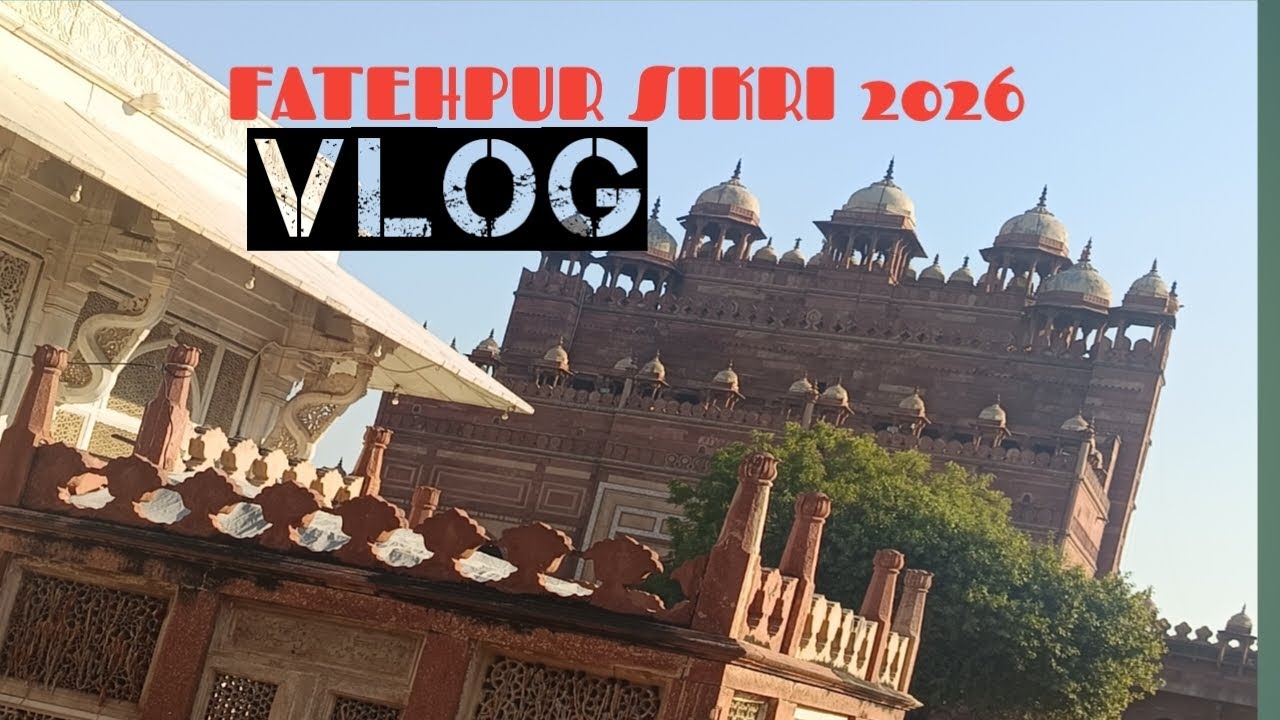
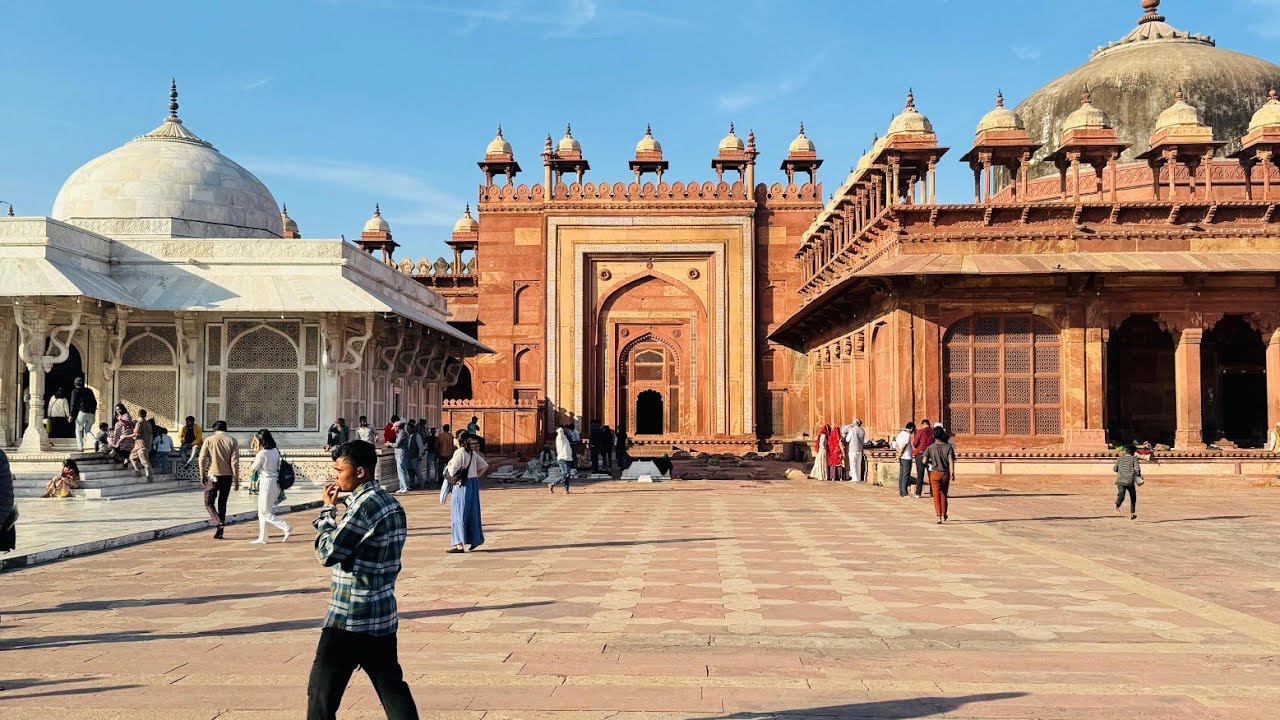
Buland Darwaza : Set into the south wall of congregational mosque, the Buland Darwaza at Fatehpur Sikri is 177 feet high, from the ground. The gate was added around five years after the completion of the mosque i.e. 1576-1577 as a victory arch, to commemorate Akbar's successful Gujarat campaign.
Jama Masjid : It is a Jama Mosque meaning the congregational mosque and was perhaps one of the first buildings to be constructed in the complex, as its epigraph gives AD 1571–72 as the date of its completion, with a massive entrance to the courtyard, the Buland Darwaza added some five years later. It was built in the manner of Indian mosques.
Tomb of Salim Chishti: A white marble encased tomb of the Sufi saint, Salim Chishti (1478–1572), within the Jama Masjid's courtyard.
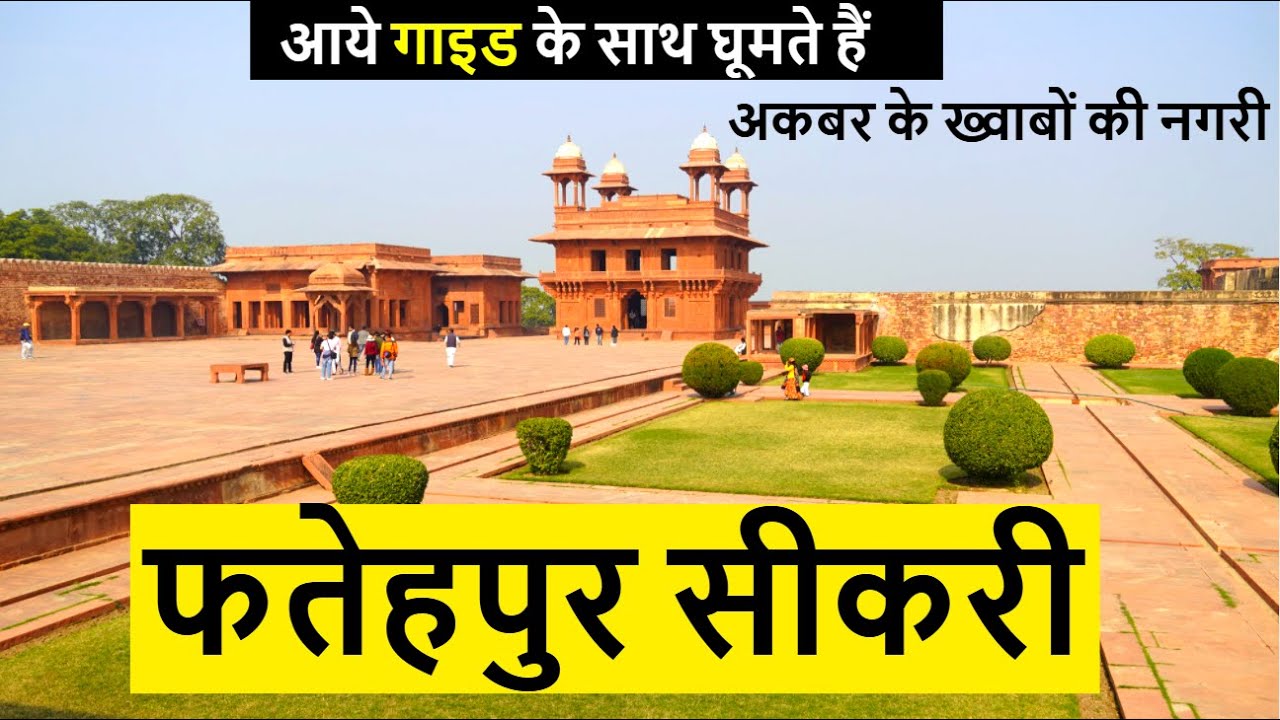
Diwan-i-Aam : Diwan-i-Aam or Hall of Public Audience.
Diwan-i-Khas : Diwan-i-Khas or Hall of Private Audience.
Ibadat Khana : (House of Worship)
Anup Talao : Anup Talao was built by Raja Anup Singh Sikarwar. An ornamental pool with a central platform and four bridges leading up to it.
Mariam-uz-Zamani's Palace : The place of residence of Akbar's favorite and Chief Rajput wife, Mariam-uz-Zamani (Jodha Bai), shows Rajput influence and is built around a courtyard, with special care being taken to ensure privacy. It also has a Hindu temple and a tulsi math used by his Hindu wife for worship. This palace was internally connected to the khawabgah of Akbar.
Naubat Khana : Also known as Naqqar Khana meaning a drum house, where musician used drums to announce the arrival of the Emperor.
Panch Mahal : A five-storied palatial structure, with the tiers gradually diminishing in size, until the final one, which is a single large-domed chhatri.
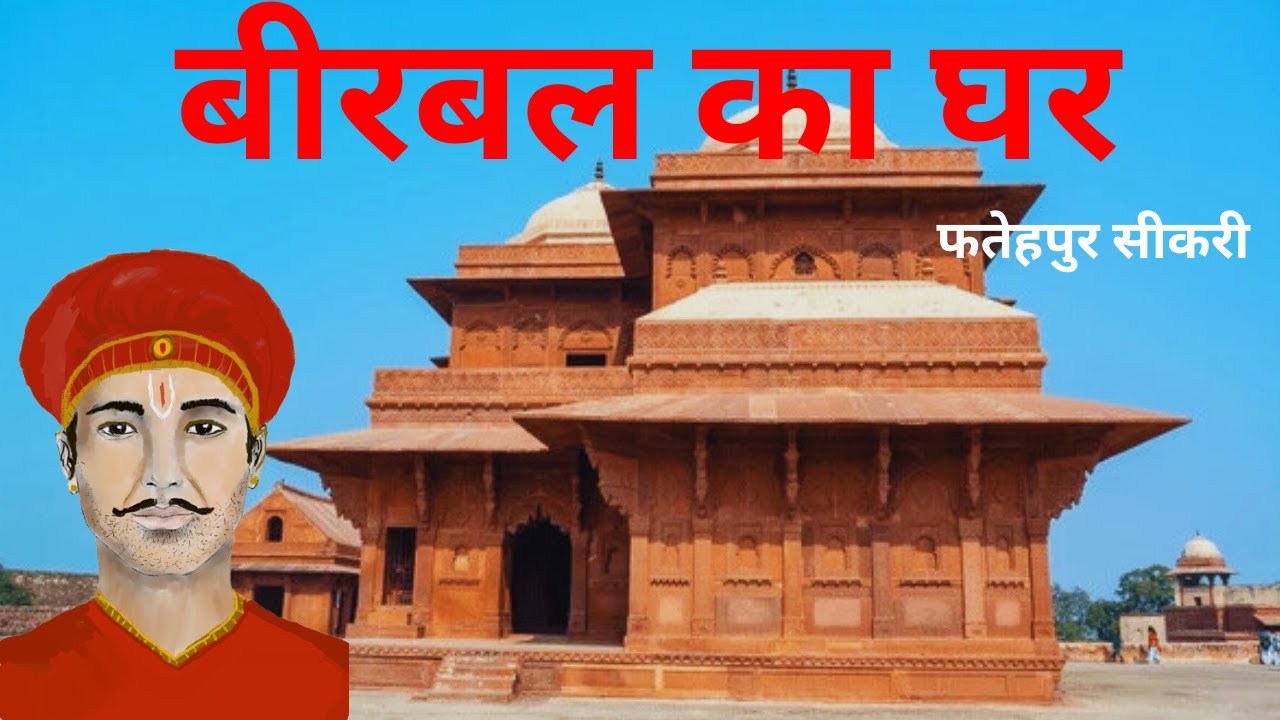
Birbal's House : The house of Akbar's favourite minister, Birbal.
Fatehpur Sikri is about 39 kilometres from Agra. The nearest Airport is Agra Airport, 40 kilometres from Fatehpur Sikri. The nearest railway station is Fatehpur Sikri railway station, about 1 kilometre from the city centre. It is connected to Agra and neighbouring centres by road, where regular bus services are operated by UPSRTC, in addition to tourist buses and taxis.
#fatehpursikri #agra #uptourism #bulanddarwaza #unesco_world_heritage_site
Повторяем попытку...
Доступные форматы для скачивания:
Скачать видео
-
Информация по загрузке: