Episode 12: Carbonation Chaos Part 1- The Science of a Root Beer Float
Автор: Chemistry Colleen
Загружено: 2024-07-22
Просмотров: 1921
Описание:
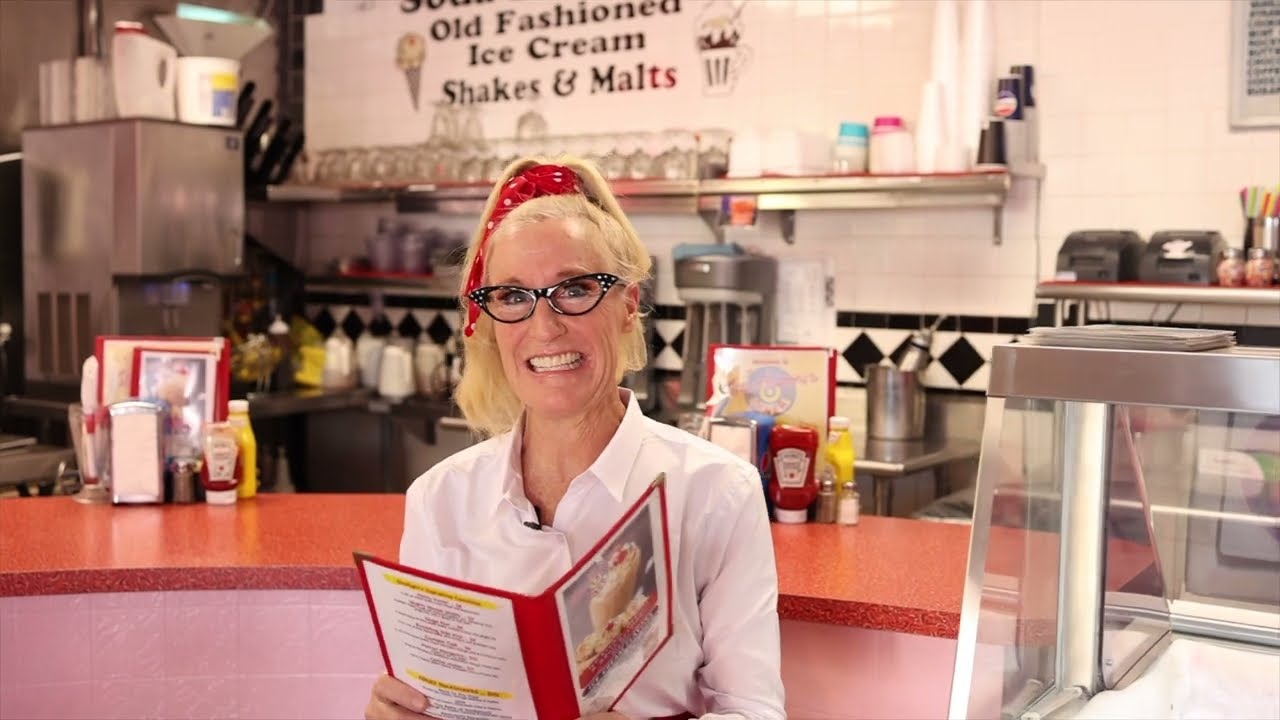
Join Chemistry Colleen at Little Anthony's Diner in Tucson, AZ for a fizzy adventure in 'Carbonation Chaos: The Science of Soda!' 🍦🥤 Discover the bubbly magic behind your favorite root beer float and why there are no bubbles in a Black Cow Milkshake in this special edition episode. Perfect for kids, educators, and parents looking for fun, at-home science experiments. Don't miss Part 1 of our exciting three-part series on the science of carbonation! #ScienceForKids #STEMEducation #FunScienceExperiments #RootBeerFloat #LittleAnthonysDiner
Parent Study Guide for Carbonation Chaos: The Science of a Root Beer Float
Overview: In this episode, Chemistry Colleen takes us to Little Anthony's Diner, a 50s-themed soda shop, to explore the science behind the beloved root beer float. We'll dive into the concepts of carbonation, gas molecules, and the reactions that create those delightful foamy bubbles. This is Part 1 of a three-part series on the science of soda and carbonation.
Key Concepts:
Carbonation: The process of dissolving carbon dioxide gas in a liquid.
Gas Molecules: Tiny particles that move freely and create bubbles when trapped.
Foam Formation: Occurs when gas is released and forms bubbles in a liquid, often enhanced by substances like ice cream.
Experiment: The Science of a Root Beer Float
Materials Needed:
Vanilla ice cream
Cold root beer
Large drinking glasses
Measuring cups
Spoon for stirring
Blender
Procedure:
Trial 1:
Add 1/2 cup of vanilla ice cream to a large drinking glass.
Pour 1 cup of cold root beer over the ice cream.
Observe and record data.
Trial 2:
Pour 1 cup of cold root beer into a blender.
Add 1/2 cup of vanilla ice cream to the root beer and blend.
Observe and record data…and taste test, of course!
Discussion Questions:
What happens when the root beer and ice cream are combined?
How does blending it change the consistency of the root beer and foam?
What other factors might influence the amount of foam produced?
Extended Activities:
Temperature Variation: Try the experiment with root beer at different temperatures (e.g., room temperature, chilled, and heated) and observe any changes in foam production.
Different Sodas: Substitute root beer with other sodas like Sprite, Coca-Cola, or Fanta. Compare the foaminess of each soda.
Stirring Effects: Stir the mixture and see if it changes the foam's volume and longevity.
Learning Objectives:
Understand the basics of carbonation and gas molecules.
Observe the chemical reactions that produce foam.
Compare and analyze results from different trials and conditions.
Safety Note: Ensure that all materials are handled safely and that children are supervised during the experiment and an adult is present to operate the blender.
By following this guide, parents and educators can enhance the learning experience and make science fun and engaging for kids. Enjoy the fizzy fun and keep experimenting!
Повторяем попытку...
Доступные форматы для скачивания:
Скачать видео
-
Информация по загрузке: