How to clean up and replant a messy garden bed | Garden Inspiration | Gardening Australia
Автор: Gardening Australia
Загружено: 2023-09-16
Просмотров: 27732
Описание:
Clarence clears up a garden bed that went wild over winter and plants a few favourite natives. Subscribe 🔔 http://ab.co/GA-subscribe
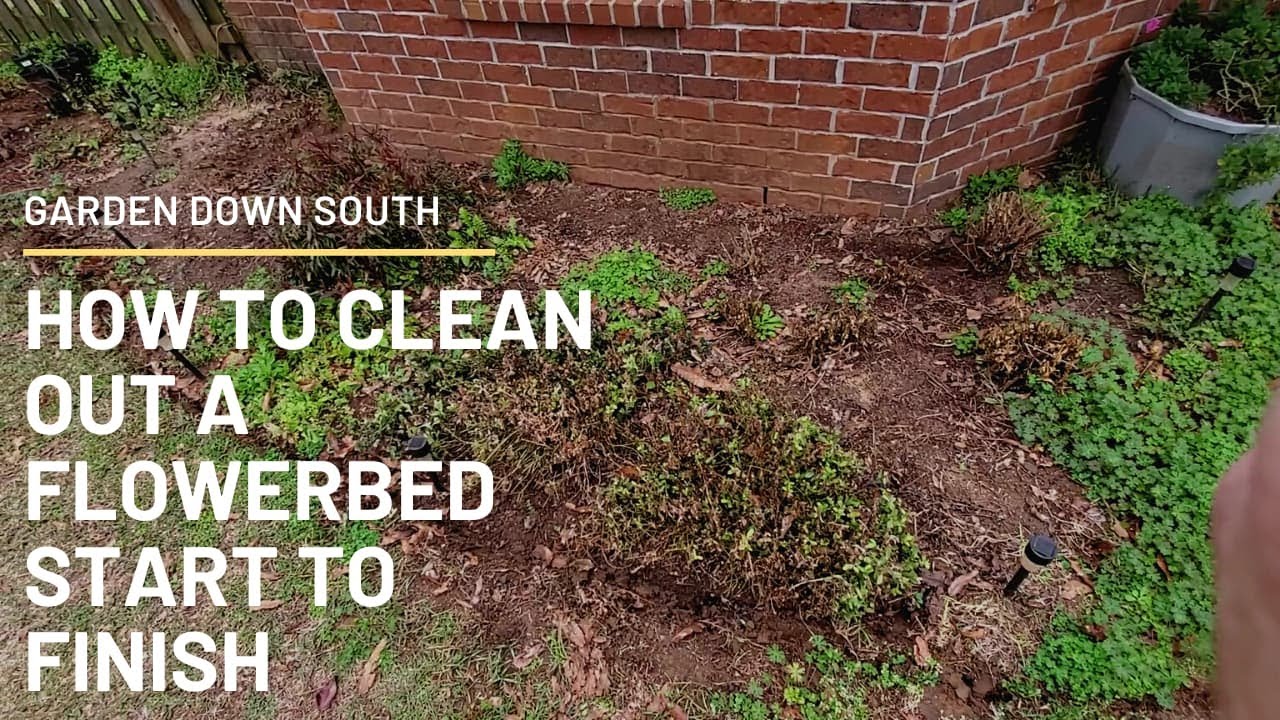
We’re at Clarence’s home garden. While the backyard is looking pretty good, one area of the front yard could use a little work. There’s a long, stone-line garden bed at the front of his property that’s seen better days.
Not to worry, because a little bit of elbow grease will have this bed back to it’s original prime-time glory.
CLEAR OUT:
The first step is clearing out what’s already there. This bed was planted up with perennial food plants, and many are still persisting.
Swathes of nasturtium have covered most of the soil. This plant can be an environmental weed in parts of Australia, so it’s not entirely unsurprising that it’s gotten carried away with itself unchecked. Removing it is simple as it’s not woody, and can be done by hand. However it will drop seeds in this process, and these can spawn the next generation of interlopers.
The seeds can be pickled to add some crunch to your salads (if you’re desperate), but Clarence is going to apply a layer of mulch to suffocate any germination. Remember mulch should only be applied to a depth of 7cm, anything higher will stop rainfall reaching the soil.
There’s a few more traces of the original plantings here.
Buried within the earth are yacon tubers. Smallanthus sonchifolius has been grown in the Andes since the time of the Incas. It looks a bit like its relative, Jerusalem artichoke (Helianthus tuberosus) – they are both tall herbaceous perennials with yellow sunflower-type blooms in late summer or early autumn – but Yacon is far less invasive and doesn’t cause upset stomachs!
When the cool weather sets in Yacon will die back (as we’re seeing here). This is the right time to dig up and eat these tubers - enjoying them either raw, stir-fried, roasted or in soups, casseroles, juices and desserts. They sort of taste like nashi pears.
Whole, undamaged yacon can be placed in the sun for a couple of weeks to dry completely before storing in a cool, dark place.
Another buried treasure Clarence has unearthed is taro. Taro (Colocasia esculenta cv.) is a tropical plant primarily grown for it’s sweet, starchy, edible corms, which are a hugely important food crop globally. A staple food in African, PNG, Asian, Caribbean and in particular Polynesian cultures, taro is believed to be one of the earliest cultivated plants. The starchy tubers need to be cooked before eating and can be stored whole once brushed of soil.
PLANTING:
Now Clarence has had a clear-out, there’s room for more plants.
Clarence has gone for a mix of edible, flowering and habitat plants for this newly refreshed area. He plants out:
Midyim berry (Midyim berry)
Indigofera australis (Native indigo)
Callsitemon cv. (groundcover bottlebrush)
Viola hederacea (native violet)
Rytidosperma sp. (wallaby grass)
Goodenia sp. (Hop goodenia)
Hymenosporum flavum (Native frangipani)
Clarence waters in his new plants, and the bed is looking good as new.
___________________________________________
Gardening Australia is an ABC TV program providing gardening know-how and inspiration. Presented by Australia's leading horticultural experts, Gardening Australia is a valuable resource to all gardeners through the television program, the magazine, books, DVDs and extensive online content.
Watch more: http://iview.abc.net.au/programs/gard...
Facebook: / gardeningaustralia
Instagram: / gardeningaustralia
Web: http://www.abc.net.au/gardening
___________________________________________
This is an official Australian Broadcasting Corporation YouTube channel. Contributions may be removed if they violate ABC's Online Conditions of Use http://www.abc.net.au/conditions.htm (Section 3).
Повторяем попытку...

Доступные форматы для скачивания:
Скачать видео
-
Информация по загрузке: