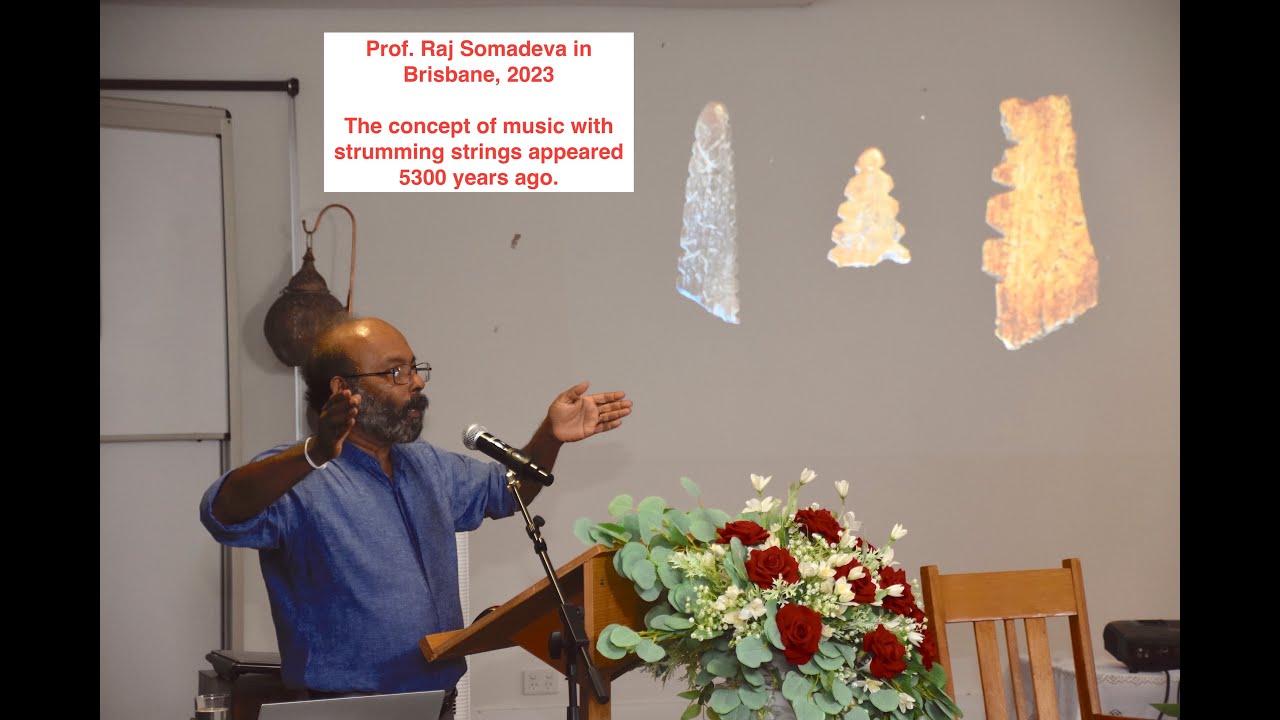
With Prof. Raj Somadeva - "Redefining Ravana: 'Ramayana misleads the true story'— Part 4
Автор: Lotus Creations
Загружено: 2025-09-17
Просмотров: 11535
Описание:
English Subtitles Added - Part 4
According to Prof. Somadeva, the ancient King Ravana found in Sri Lanka is not the one described by Valmiki in the Indian legend. However, most people believe it, but the real Ravana is an indigenous Sri Lankan.
There is no single “Ramayana.” There are hundreds of versions: Valmiki’s Sanskrit epic, Kamban’s Tamil version, the Ramayana of Kampan in Southeast Asia, and local folk epics. Ravana’s portrayal differs across these versions.
There are archaeological and literary references (Mahavamsa, Rajavaliya, local legends, Wargapurnikawa, inscribed on stones) that portray Ravana as a powerful monarch, healer, or even inventor in Sri Lanka.
In response to a question from the audience, Prof. Somadeva states that the Ravana found in Sri Lanka is not the one described by Valmiki in the Indian legend. However, most people believe it, but the real Ravana is an indigenous Sri Lankan. He was directly connected to our Iron technology in Sri Lanka.
There are various place names, temples, or rituals in Sri Lanka linked to King Ravana from ancient times.
King Ravana was a scholar of Ayurveda, astrology, and music (Ravana Samhita, Ravana Vina). Ravana was a devotee of Lord Shiva, as there was Brahmanism at that time. Lankavatara states that Ravana meets the Buddha during his time, likely referring to the Buddha of that era.
Prof. Somadeva and his team have been exploring the Sri Lankan landscape in search of traces of Ravana’s world. Their expeditions have taken them to sites associated with the Yaksha clan, including Ravana Ella, Ussangoda, Rumassagala, Yakkagala, and Rakshasagala, among many other locations.
At each of these places, they have documented the presence of distinctive “Yabora” stones, which were once used in the production of iron. Prof. Somadeva believes these findings may point to an advanced metallurgical culture that predates recorded history and may help explain how legends of Ravana as a powerful ruler and technologist arose. Unfortunately, they had to stop their work halfway as their funding for the project ceased.
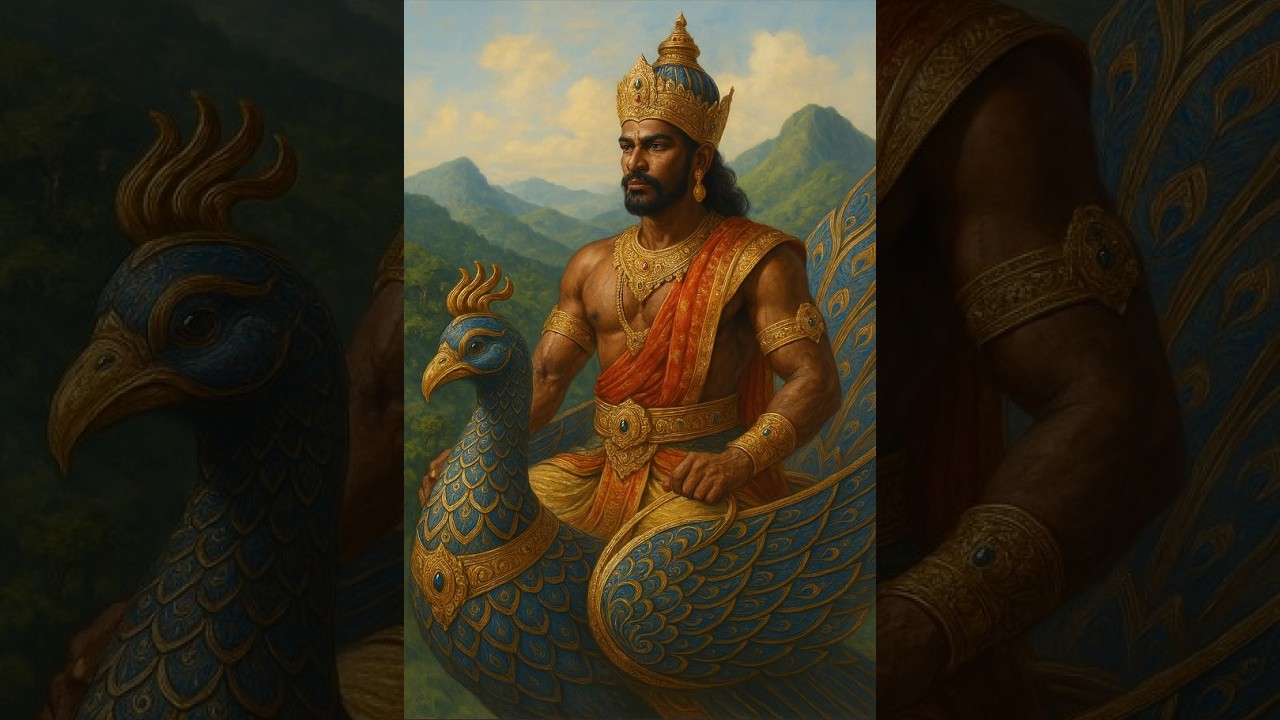
When they investigated how he raised his flying machine, they studied the techniques used with a group of scientists to lift equipment from the earth. They concluded that the mercury he used helped facilitate this anti-gravitational technology. But there is much to explore in this research, including radiocarbon dating and various other topics, which we can bring to life for the great King Ravana.
In many stories, including those about figures like King Ravana, mercury is portrayed as a powerful substance that can enhance capabilities, possibly alluding to its physical properties, such as being a liquid metal that conducts energy. This portrayal may symbolise advanced engineering or knowledge that transcended the era.
A question arose about his grandfather, Pulasthi Risi, as many believe that a statue in Polonnaruwa portrays him. This belief stems from the presence of a punya nula, a sacred thread traditionally worn by sages. Some archaeologists support the identification of the statue as Pulasthi Risi. Dr Sunil Gunasekara discovered the inscription 'Pulathisi' behind the statue's head, further strengthening this connection.
Pulasthi Risi is noted for his contributions to various texts and teachings, particularly those related to astrology, meditation, and spiritual practices. In the context of Sri Lankan history, Pulasthi Risi is said to have played a significant role in the region's cultural heritage. He is often linked to the legendary King Ravana, suggesting a connection between the ancient wisdom of the Risis and the advanced technologies or knowledge attributed to Ravana's rule.
He is often associated with ancient wisdom, spirituality, and the transmission of sacred knowledge. As Pulasthi is noted for his contributions to various texts, the Pothgul Vihara library, situated near his statue, would have housed many ancient texts related to astrology, medicine, and spiritual practice.
The records state that when the South Indians invaded Polonnaruwa, the ola leaves books were broken, thrown away and discarded by them without any regard.
This invasion may have hindered the knowledge of the past elders from being passed on to the next generation, says Professor Somadeva.
The statue in Polonnaruwa, believed to represent Pulasthi Rishi, symbolises the reverence for sages in ancient Sri Lankan culture and their influence on spiritual and philosophical thought. Suppose the discovery of the inscription "Pulathisi" is recognised. In that case, it lends historical significance, as it may provide insight into the identity and legacy of Pulasthi Rishi within the context of Sri Lanka's rich heritage.
Prof. Somadeva discussed the advanced technology of the clouds and the gravitational power they contain.
We had a fascinating discussion, and we are very grateful for his wisdom and
direct vision.
Повторяем попытку...
Доступные форматы для скачивания:
Скачать видео
-
Информация по загрузке: