Grand Chinese New Year Concert 1998: Xun, Xiao and Guqin
Автор: wupromotion
Загружено: 2012-11-26
Просмотров: 44989
Описание:
by Wu Promotion 吴氏策划
http://www.wupromotion.com
Title: Hu Jia (胡笳)
Orchestra: China National Traditional Orchestra
Xun: Du Ciwen 杜次文
Xiao: Zeng Zhaobin 曾昭斌
Guqin: Gong Yi 龚一
Venue: Vienna Musikverein Golden Hall
The xun 埙
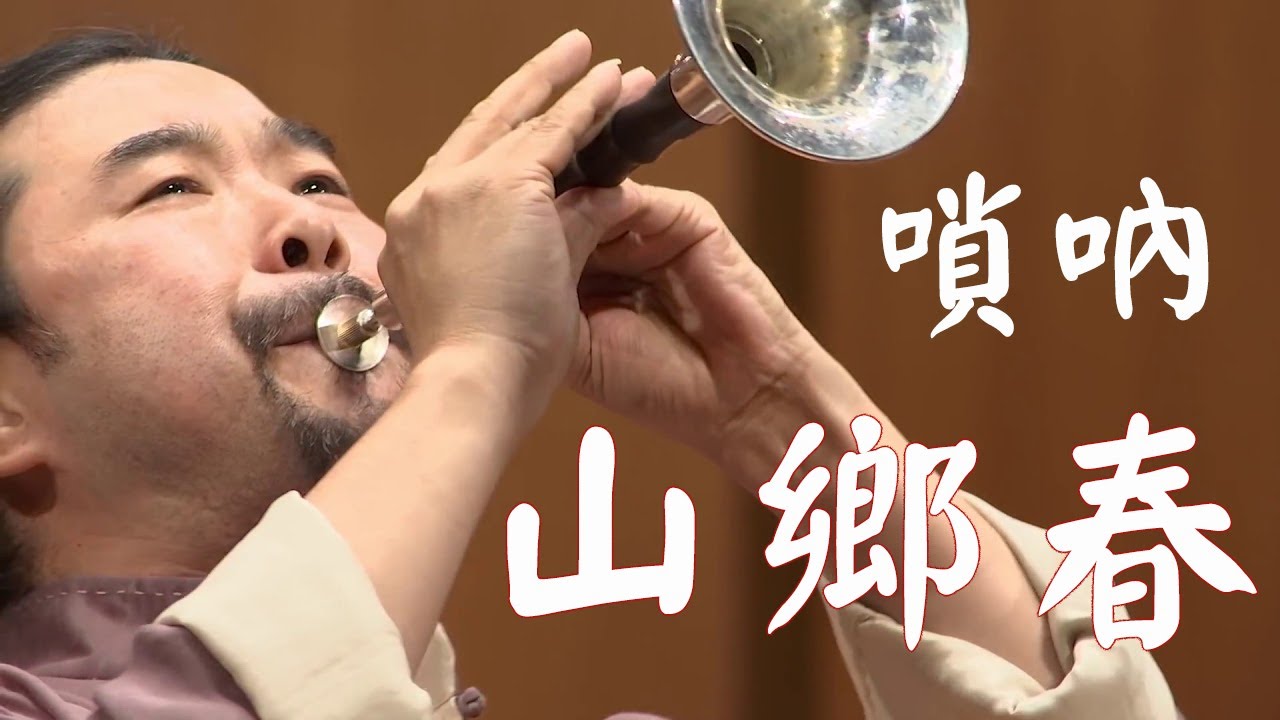
After a period of common use in ancient times, the xun lost importance. It was not until the 1980s, that this small clay instrument was revived. The xun is shaped like an egg and it is hollow inside. Its body is normally carved with floral pattern. It has a blowhole and six or seven finger holes, and a range of only one octave. Nevertheless, its tone quality is vibrant and charming. The xun is normally played in small ensembles.
The xiao 箫
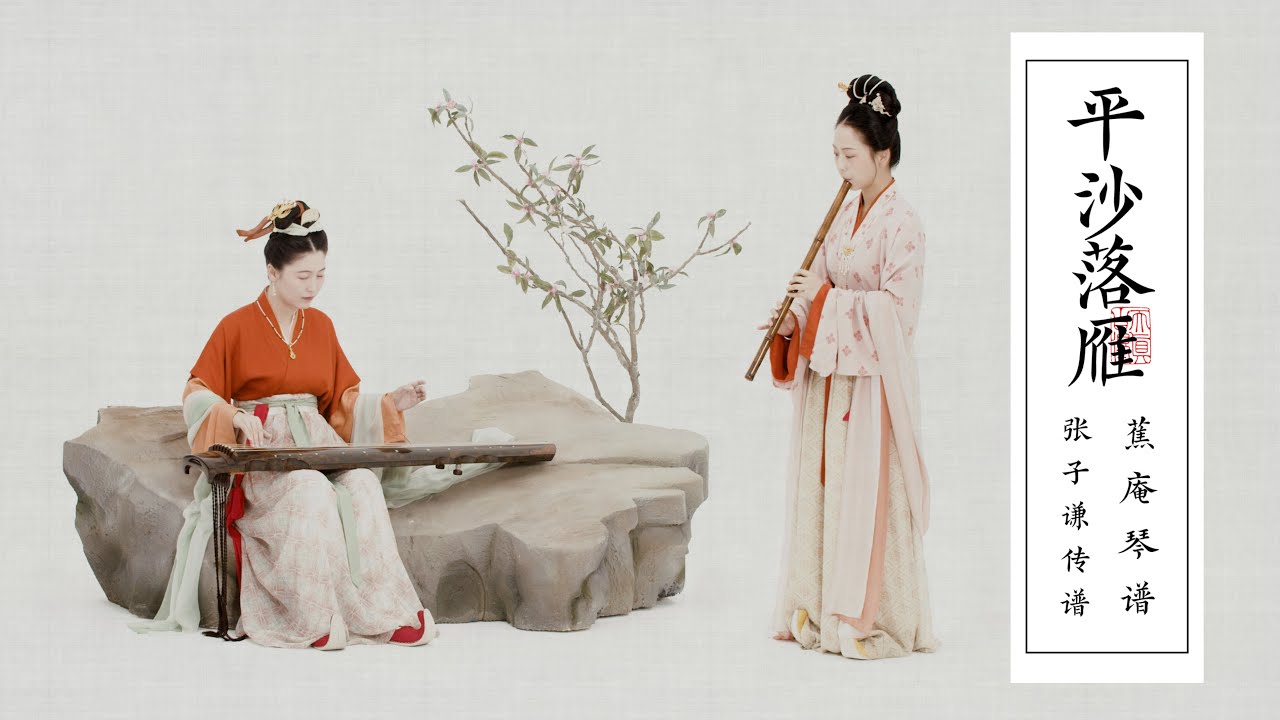
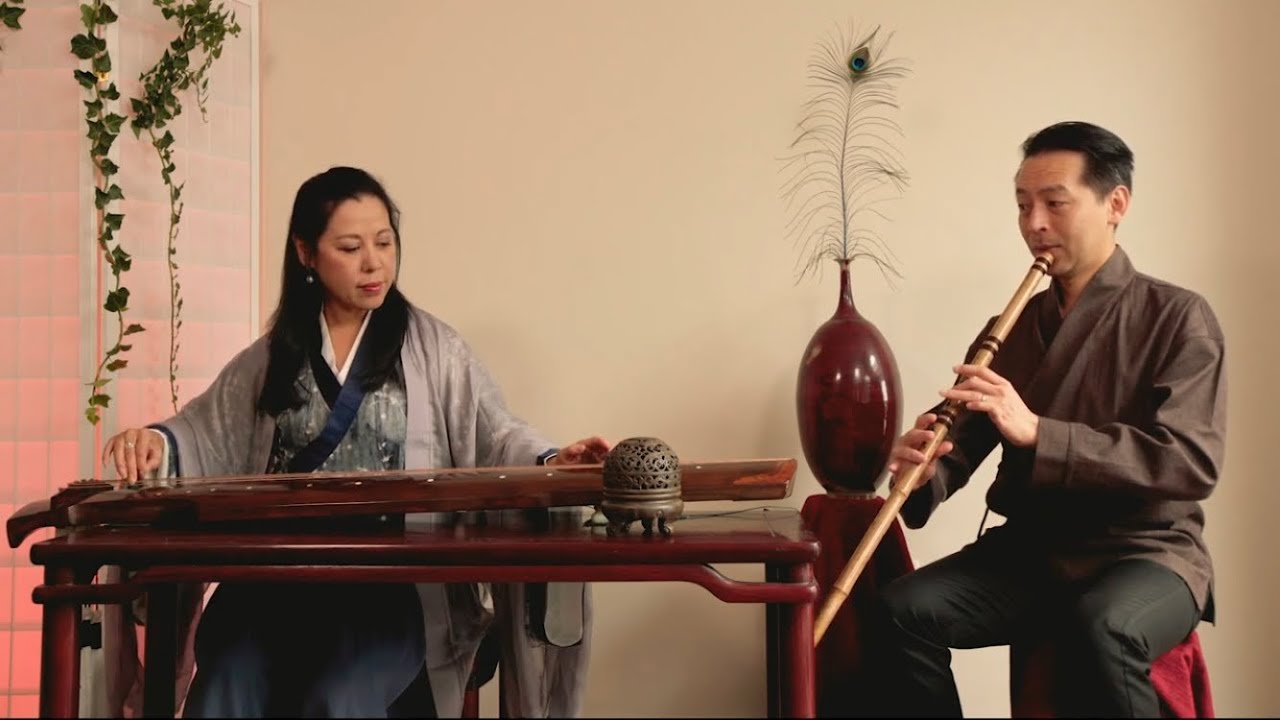
The xiao (in ancient time called shudi, "vertical di") is a vertically-played flute made of bamboo. Normally, the xiao has four or five finger holes in the front and one in the back, while the body is long and narrow, though also different types can be found. Similar flutes made of bone have been excavated dating back to the period from 5000 - 6000 BC, which makes the xiao one of the oldest Chinese instruments. The xiao has an incredibly gentle and sweet sound, and in its early history was used in rituals together with the guqin. Nowadays, it is mainly used in smaller ensembles and less frequently in orchestras.
The guqin 古琴
The guqin, a seven-stringed zither, has a long history and is possibly China's most iconic instrument. It was popular in a five-stringed form already during the Spring and Autumn Period (770 BC - 477 BC), back then simply known as the qin ("stringed instrument"). The modern guqin (gu means "old" or "ancient") consists of a long, narrow upper wooden board that is stuck together with a lower board while the surface is lacquered. There are 13 small dots traditionally made of deer's horn (called hui 灰) inlaid on the outside of the upper boards, which mark the positions of the musical notes and their harmonics. Seven strings are stretched on the upper board, starting from the thickest one on the outside to the thinnest on the inside. Throughout Chinese history, the qin has been the favored instrument of scholars and philosophers, thus generally becoming the essential attribute of the cultivated man. Because of its low volume, the guqin has never been used in large ensemble, nor is used in orchestra at present days. The profound and subtle sound of the guqin can be better enjoyed during meditation or casual conversation.
Ed.: SINGO 声谷音乐
Повторяем попытку...

Доступные форматы для скачивания:
Скачать видео
-
Информация по загрузке: