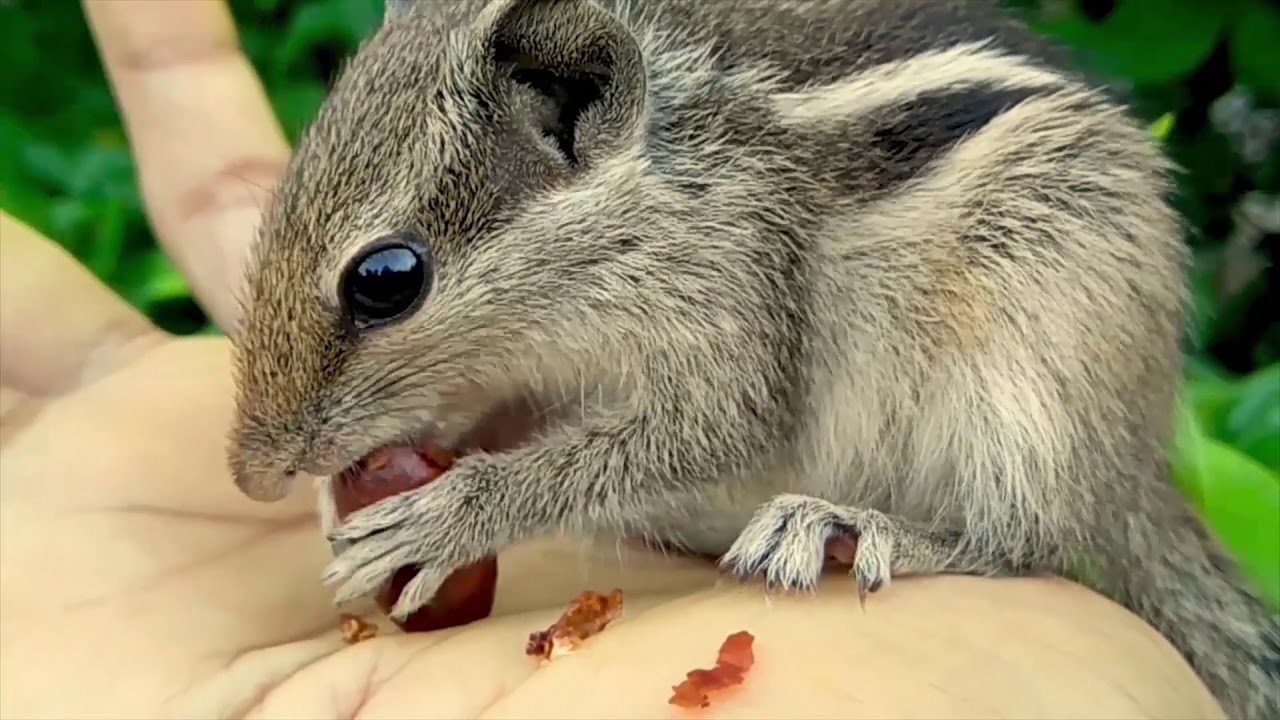
Exploring the Fascinating World of Indian Palm Squirrel | Interesting Facts | The Beast World
Автор: The Beast World
Загружено: 2024-09-13
Просмотров: 552
Описание:
Exploring the Fascinating World of Indian Palm Squirrel | Interesting Facts | The Beast World
Here are some fascinating facts about the Indian Palm Squirrel:
Scientific Name: The Indian Palm Squirrel is scientifically known as Funambulus palmarum.
Native to India: It is primarily found in India and Sri Lanka.
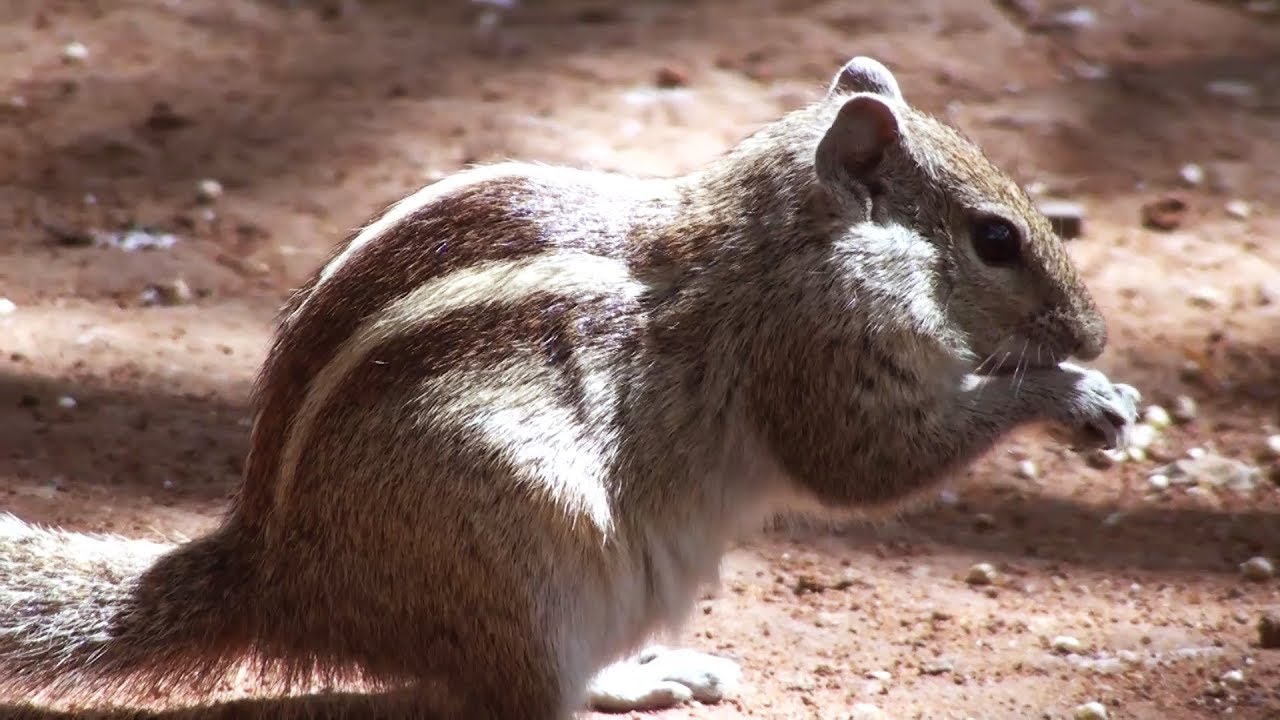
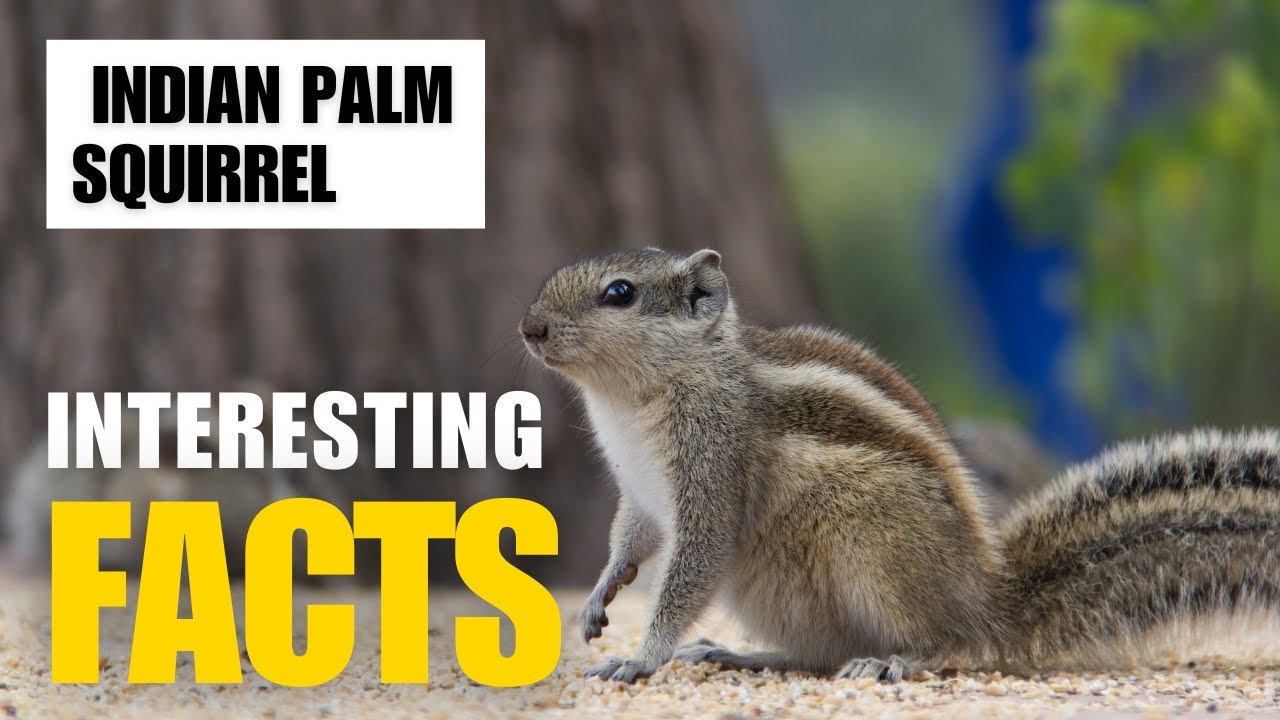
Three White Stripes: They have three distinctive white stripes running down their back.
Sacred Animal: In India, they are considered sacred animals and are often linked to Hindu mythology.
Religious Beliefs: It is said that Lord Rama blessed the Indian Palm Squirrel by gently stroking it, giving it its stripes.
Small Size: Adult palm squirrels are small, typically measuring 15-20 cm in length.
Bushy Tail: They have a long, bushy tail, often as long as their body.
Herbivores: Indian palm squirrels primarily feed on fruits, nuts, and seeds.
Omnivorous Tendencies: Occasionally, they also eat insects or bird eggs.
Diurnal: They are active during the day, particularly in the early morning and late afternoon.
Agile Climbers: Their sharp claws and strong hind legs make them excellent climbers.
Fast Runners: They are incredibly fast and can quickly escape predators.
Distinct Call: The Indian Palm Squirrel has a high-pitched call that sounds like a series of "chirps".
Territorial: They are highly territorial and will defend their nesting area from other squirrels.
Solitary: Although they may be seen in groups, they usually prefer to live alone.
Nests in Trees: They build nests in trees using twigs, leaves, and other materials.
Urban Adaptation: These squirrels have adapted well to urban environments and can be seen in parks and gardens.
Nocturnal Predators: They are preyed upon by nocturnal animals like owls and snakes.
Quick Reflexes: Their sharp reflexes help them evade predators.
Long Lifespan: In captivity, they can live up to 5-6 years.
Breeding Season: They breed throughout the year, but the peak breeding season is between February and June.
Gestation Period: The gestation period lasts about 34 days.
Litter Size: Females typically give birth to 2-4 young in a litter.
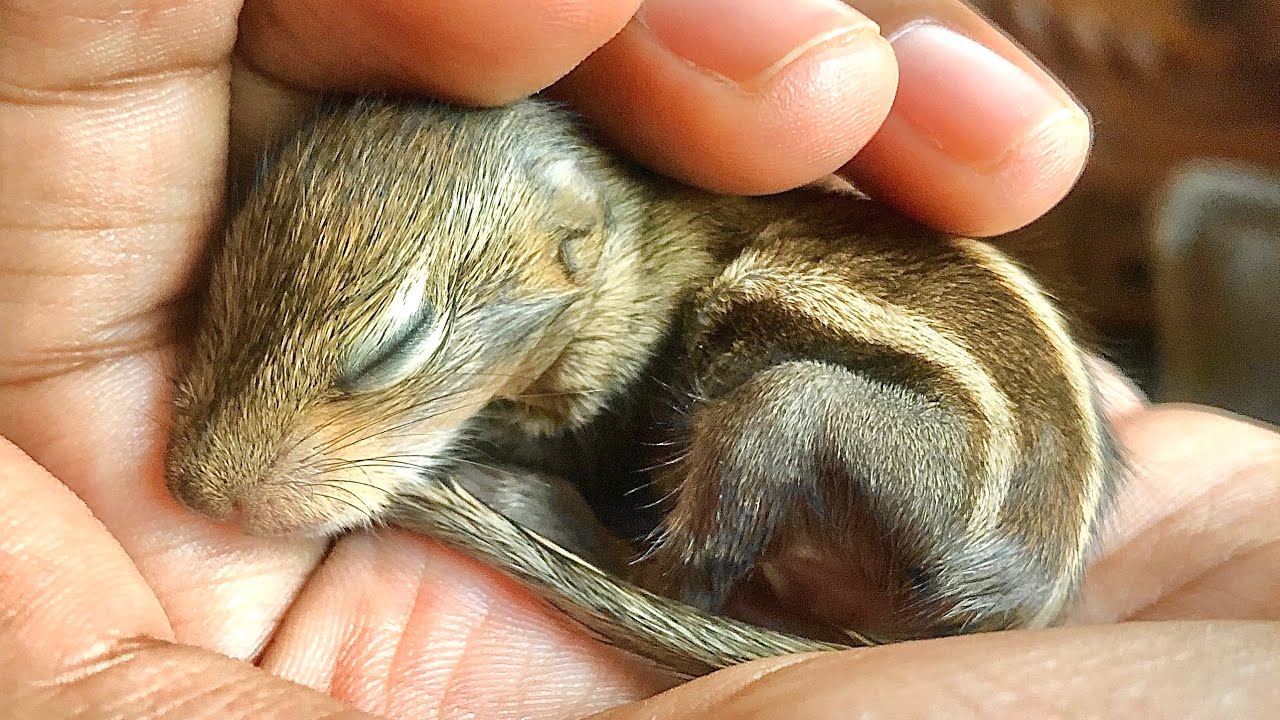
Born Blind: Baby squirrels are born blind and hairless.
Parental Care: Mothers take care of their young for about 8-10 weeks.
Climbs Buildings: In urban areas, they can be seen climbing buildings.
Tail Communication: Squirrels use their tails to communicate and maintain balance.
Tree-Dwelling: Primarily arboreal, they spend much of their time in trees.
Bushy Tail Function: Their tail helps them in balancing while jumping between branches.
Planting Trees: They help in the dispersal of seeds, contributing to forest regeneration.
Common in Gardens: In India, they are a common sight in home gardens.
Noisy Creatures: They make a lot of noise when they sense danger or interact with other squirrels.
Heat Regulation: Their bushy tail helps them stay cool during hot days.
Winter Coat: In colder areas, they grow a thicker fur coat in winter.
Non-Hibernating: Unlike some squirrels, the Indian Palm Squirrel does not hibernate.
Tree-to-Tree Jumps: They are capable of jumping from one tree to another with ease.
Active Year-Round: They remain active all year and do not undergo seasonal dormancy.
Sharp Incisors: Their continuously growing incisors help them gnaw on tough nuts and seeds.
Nesting in Roofs: In urban areas, they often nest in the roofs of houses.
Sharp Vision: They have excellent eyesight and can spot predators from a distance.
Great Hearing: Their sharp hearing helps them detect predators or other squirrels.
Fast Reproduction: They have a fast reproductive cycle, contributing to their large populations.
#amazingfacts
#interestingfacts
#animals
#indianpalmsquirrel
#palmsquirrel
#squirrel
#squirrels
Повторяем попытку...
Доступные форматы для скачивания:
Скачать видео
-
Информация по загрузке: