Part 1 | Small Volume, Single Lesion, Single Organ Metastatic Disease
Автор: Applied Radiology
Загружено: 2026-01-23
Просмотров: 15
Описание:
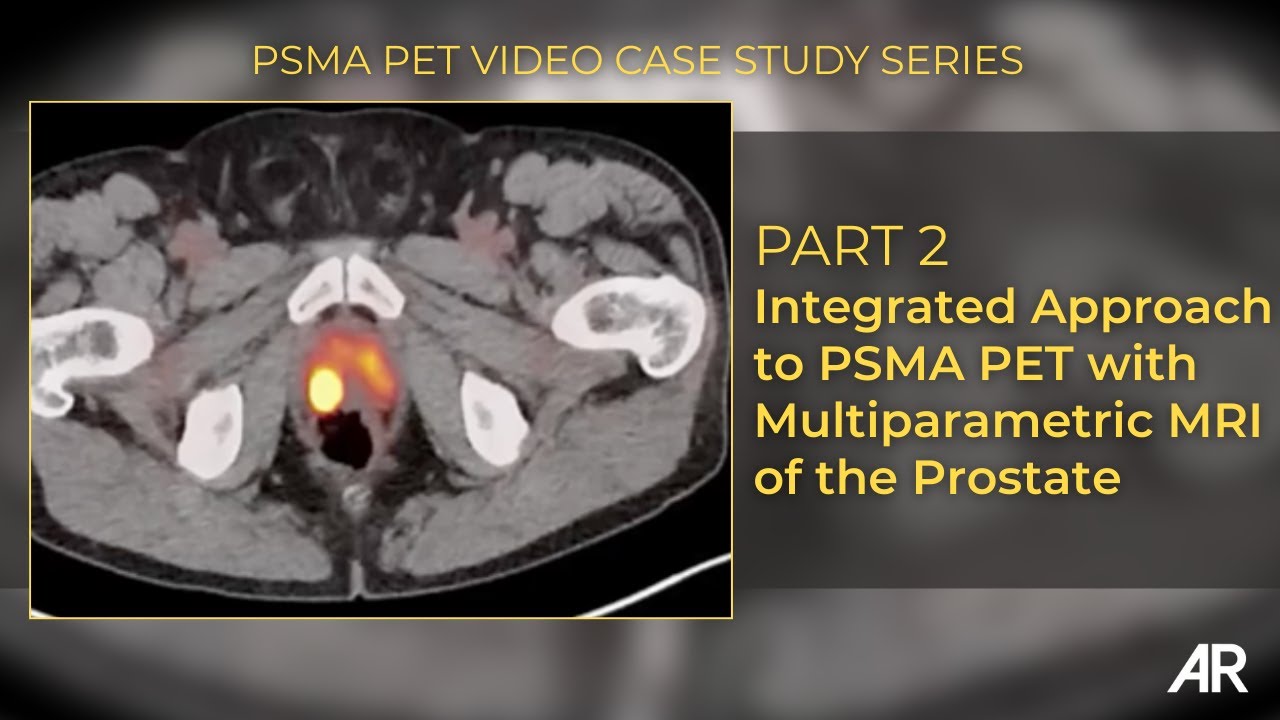
In this video case series, Dr. Louis Mazzarelli, Director of Molecular Imaging at Lawrence Memorial and Westerly Hospitals, presents Case 1 in a PSMA PET case series focused on the detection and management of small-volume, solitary metastatic prostate cancer. The case series highlights how PSMA PET imaging can identify clinically meaningful lesions that are often occult on conventional CT or bone scintigraphy.
Dr. Mazzarelli emphasizes that up to 20–30% of patients present with oligometastatic disease, where the identification of a single PSMA-avid lesion can be a critical turning point in care. Through multiple illustrative cases, he demonstrates how PSMA PET detects sub-centimeter nodal, osseous, and visceral metastases earlier and with greater specificity than traditional imaging. These findings directly influence management decisions, including salvage radiotherapy, targeted nodal irradiation, stereotactic body radiation therapy, and escalation or de-escalation of systemic therapy.
The discussion reinforces a structured interpretation approach, beginning with whole-body MIP review, correlation with fused PET/CT images, and careful assessment of lesion morphology and intensity. Dr. Mazzarelli highlights common pitfalls, including physiologic uptake, ganglia, benign bone lesions, and inflammatory processes, underscoring the importance of clinical context, PSA kinetics, prior therapies, and correlation with CT or MRI.
A central teaching point is that one lesion can change everything. Accurate identification and characterization of solitary disease can shift patients from systemic therapy toward potentially curative, localized treatment strategies, reinforcing PSMA PET’s expanding role in precision prostate cancer imaging and care.
https://appliedradiology.com/articles...
Повторяем попытку...

Доступные форматы для скачивания:
Скачать видео
-
Информация по загрузке: