Traders repair damaged dollar bills for profit
Автор: AP Archive
Загружено: 2020-11-17
Просмотров: 1962
Описание:
(13 Nov 2020) LEAD IN:
US dollar notes are in high demand in Zimbabwe, amid its ongoing economic crisis.
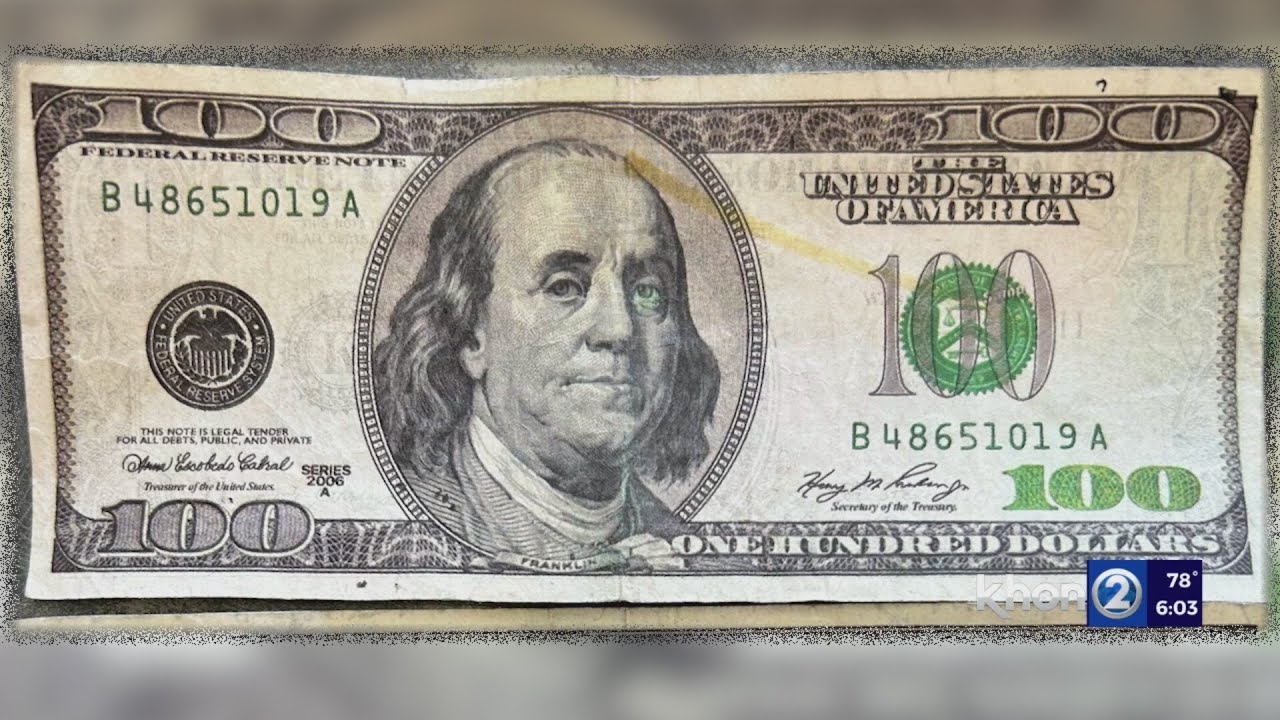
But with few fresh bills coming into the country, enterprising traders are making money by repairing old, damaged bank notes.
STORY-LINE:
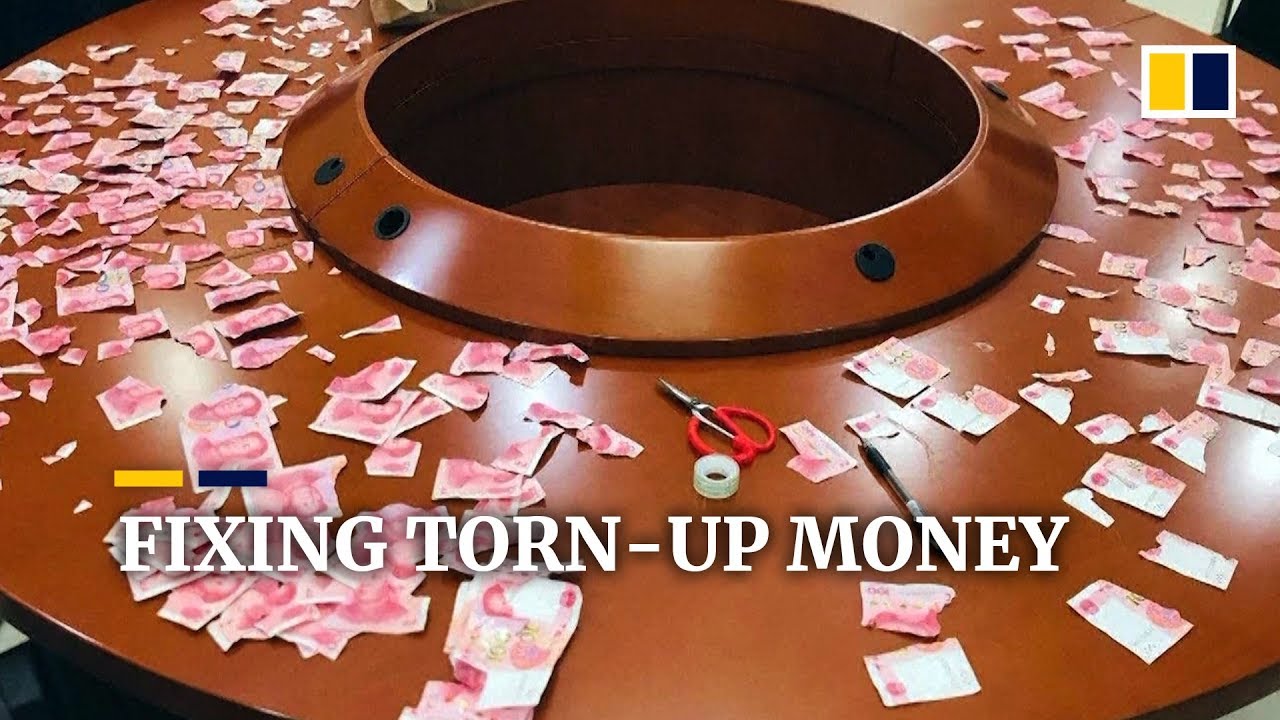
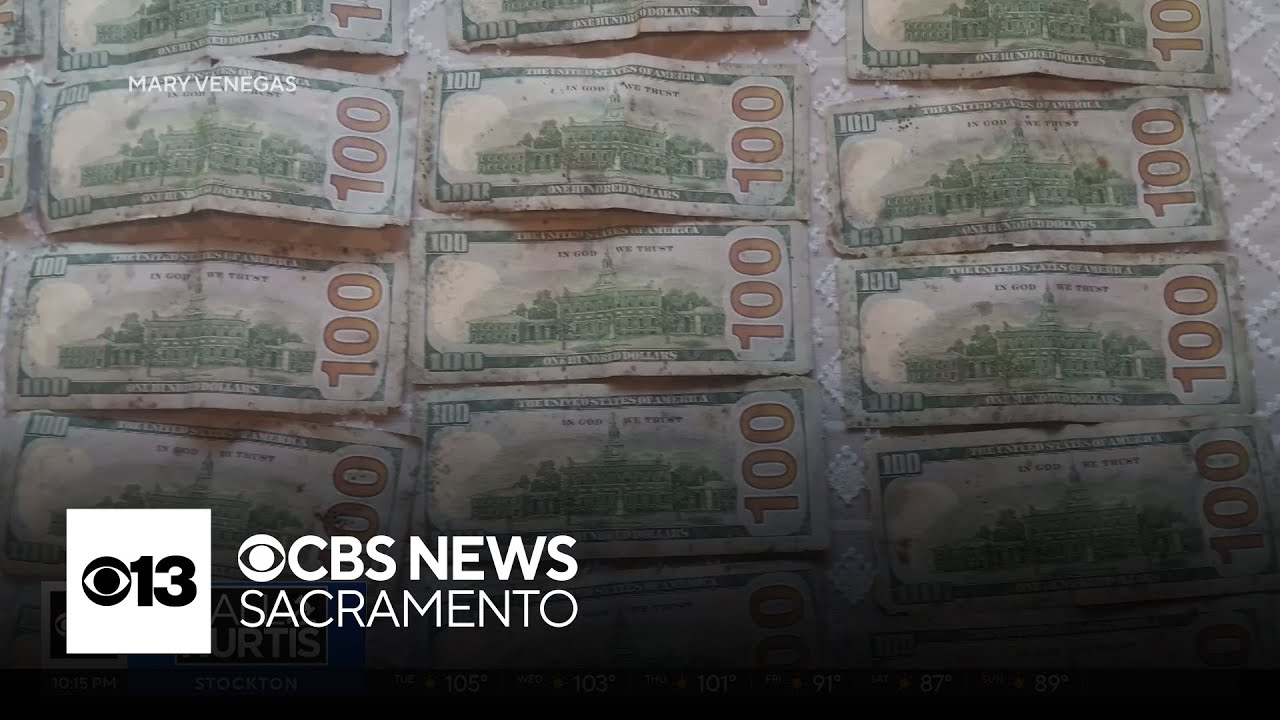
A black market currency dealer takes a grimy, tattered dollar bill and delicately, expertly glues it back into one piece.
In a country beset by an economic crisis, every note of the more stable US currency is precious.
Crisp new dollar bills are not coming into Zimbabwe, so enterprising traders are repairing old ones for desperate customers.
Albert Marombe is a currency dealer.
He buys the damaged $1 notes for between 40 cents and 60 cents each, depending on their condition, and sells them at a profit.
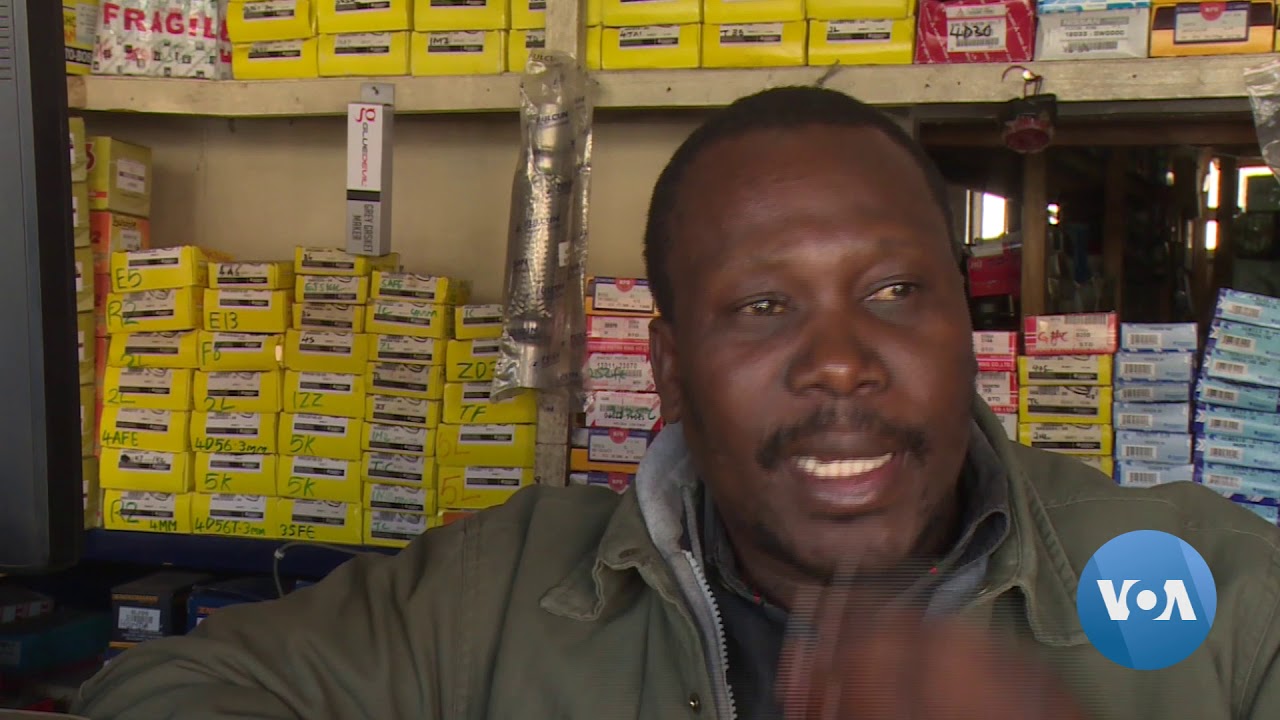
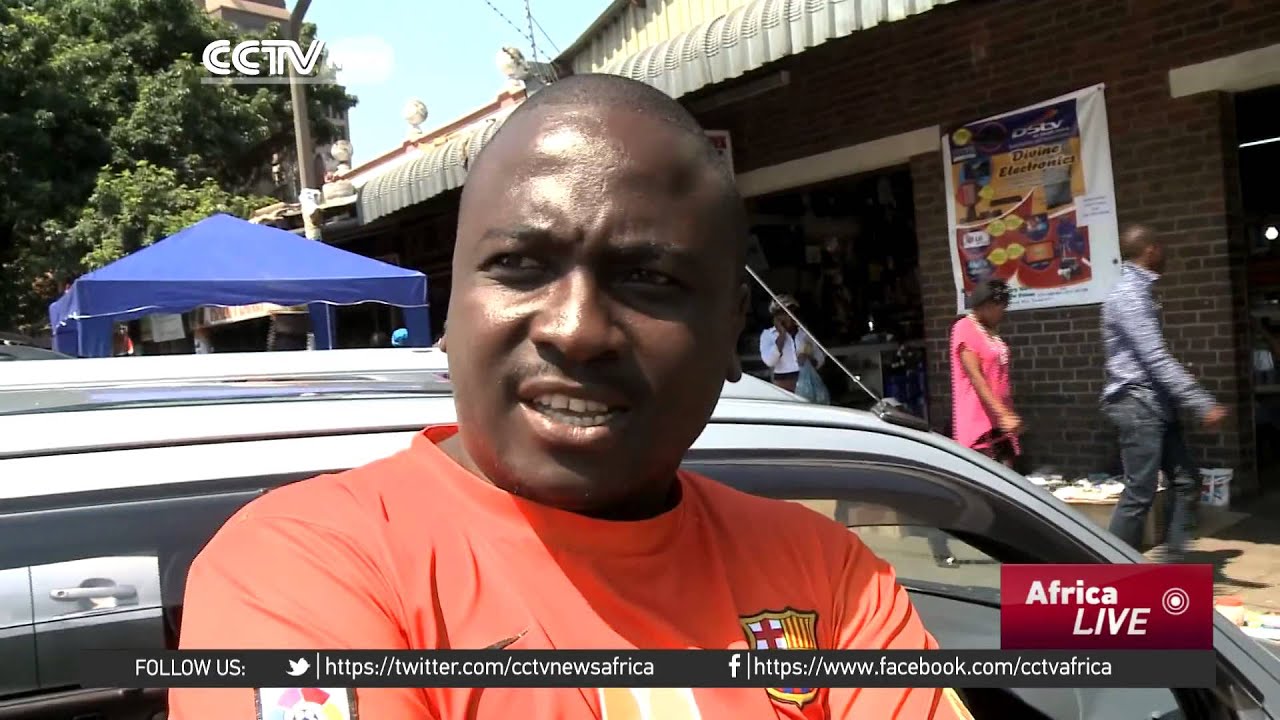
"I don't care how torn it is, I take it. All I want to see is the serial number, the serial number should be visible on all the sides," he says.
"Even if it's shredded by rats, I take it, I do this every day that's how I survive."
He'll sell a shabby $1 note for 80 cents and it will go back into circulation.
Many shops will reject it but market traders will usually - with some negotiation - accept the glue-patched notes.
Zimbabwe's booming informal economy employs about two-thirds of the population, according to the International Monetary Fund, so there are lots of these dirty dollars in circulation.
No matter their condition, $1 notes are king in Zimbabwe.
They are used by many people to buy their daily bread and other small purchases.
The US dollar has dominated transactions in Zimbabwe since the country's hyperinflation soared to more than 5 billion percent and forced the government to abandon the local currency in 2009.
Last year the government re-introduced a Zimbabwe currency and banned foreign currencies for local transactions.
Few took heed though and the black market thrived, while the local currency quickly devalued.
In March this year, the government relented and removed the dollar ban.
Now shortages of small denominations are a nightmare, as shopper Innocent Chirume explains.
"I come here and buy almost every day. But the problem that we are meeting here is over change, every time we are buying here they don't have enough change for US dollar," he says.
"So it's either we are forced to get these coupons or we get something that can compensate the difference. But now what's happening, if you get this coupons, is they only work in Spar shops (a specific chain of shops) only."
The once-prosperous southern African country's economy is so weak from de-industrialization, low investment, low exports and high debt that it does not generate an adequate inflow of fresh dollar notes needed for its largely dollarized local economy, according to Harare-based economist John Robertson who runs his own consulting firm, Robertson Economics.
"The main problem is that we do not have faith in our own currency, and so the Zimbabwe dollar that exist are now of such a low value we don't want to carry them around because you need a large quantity just to buy a loaf of bread," he says.
"They keep promising to come out with a larger denomination notes, but even then we don't trust them and if we've got money we do not want to put it in the bank. If we put it in the bank you're not sure if you can get it out again. The banks are trying to put money into ATMs but it seems to be a very inconsistent pattern."
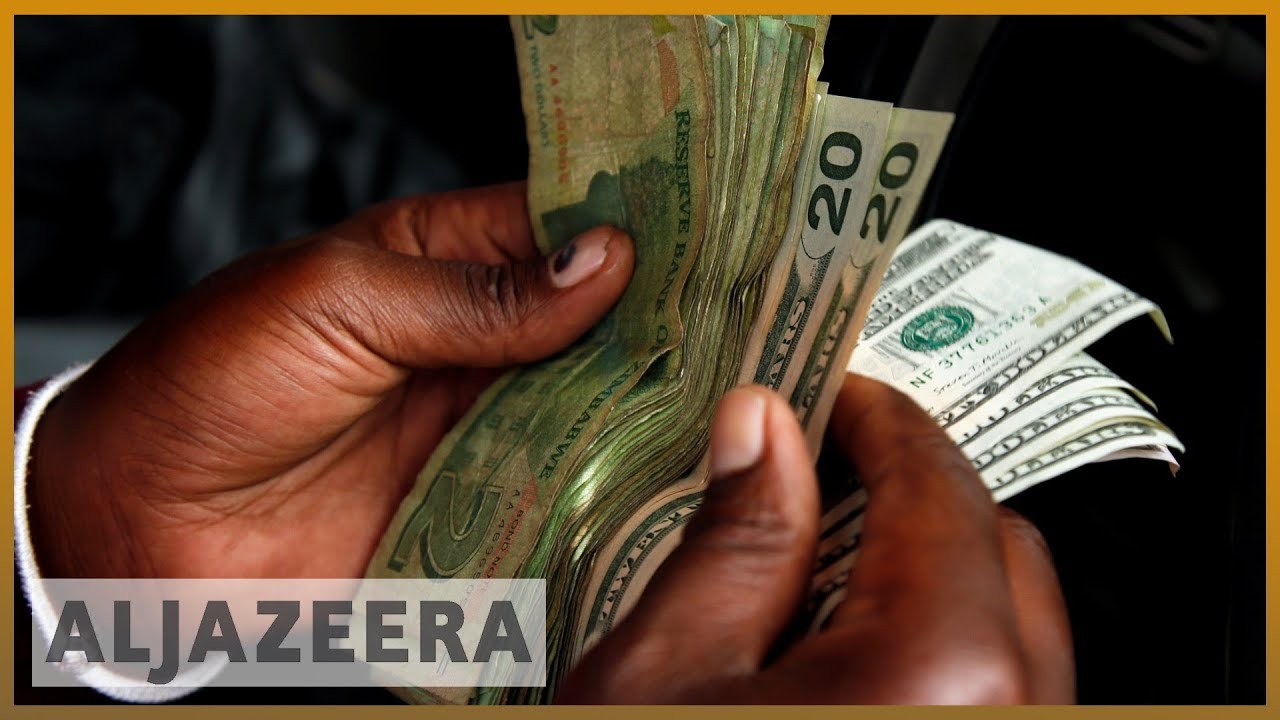
In cities across the country, currency traders line the streets holding wads of both local currency and U.S dollars.
The $1 notes that are in good condition go for a 10 percent premium.
Find out more about AP Archive: http://www.aparchive.com/HowWeWork
Twitter: / ap_archive
Facebook: / aparchives
Instagram: / apnews
You can license this story through AP Archive: http://www.aparchive.com/metadata/you...
Повторяем попытку...

Доступные форматы для скачивания:
Скачать видео
-
Информация по загрузке: