Astronauts: What I learned in space | Chris Hadfield, Leland Melvin & more | Big Think
Автор: Big Think
Загружено: 2020-08-26
Просмотров: 11556
Описание:
Astronauts: This is what I learned in space
Watch the newest video from Big Think: https://bigth.ink/NewVideo
Learn skills from the world's top minds at Big Think Edge: https://bigth.ink/Edge
----------------------------------------------------------------------------------
Being able to call yourself a former astronaut is a distinction that not many people on Earth have. Studying or reading about space from the ground is one thing, but getting to experience it firsthand is to join the universe's most exclusive club.
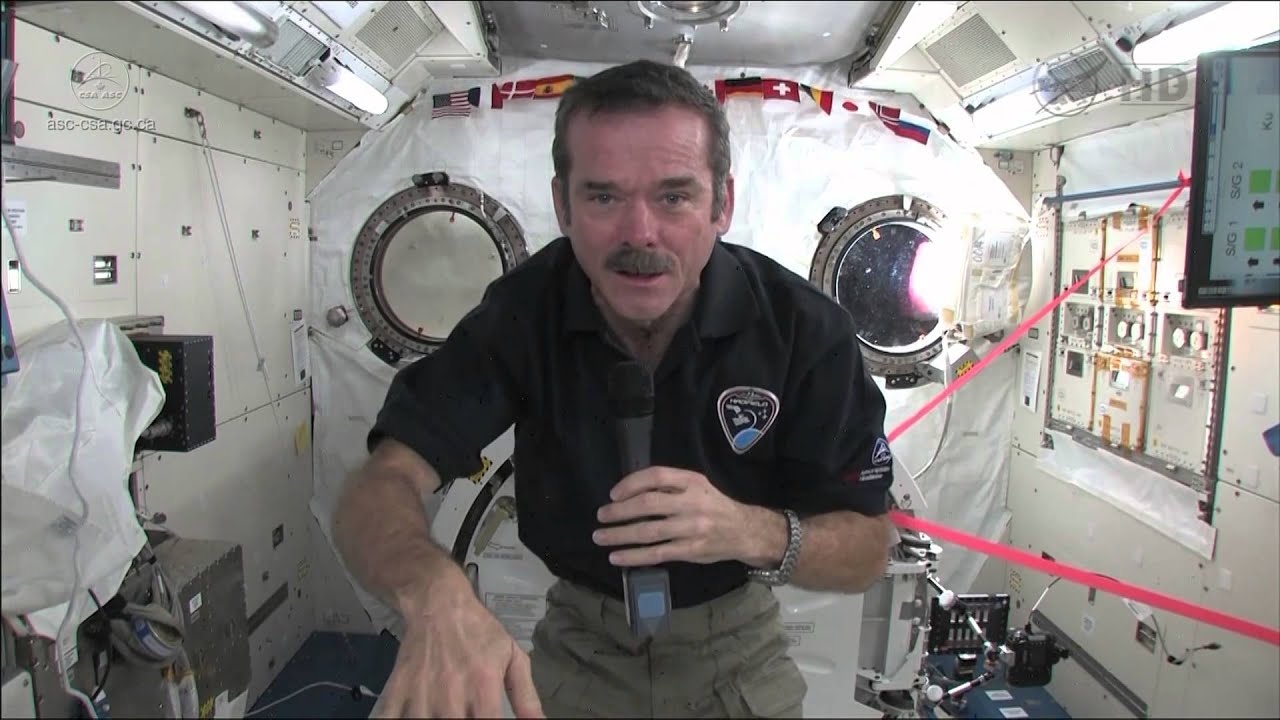
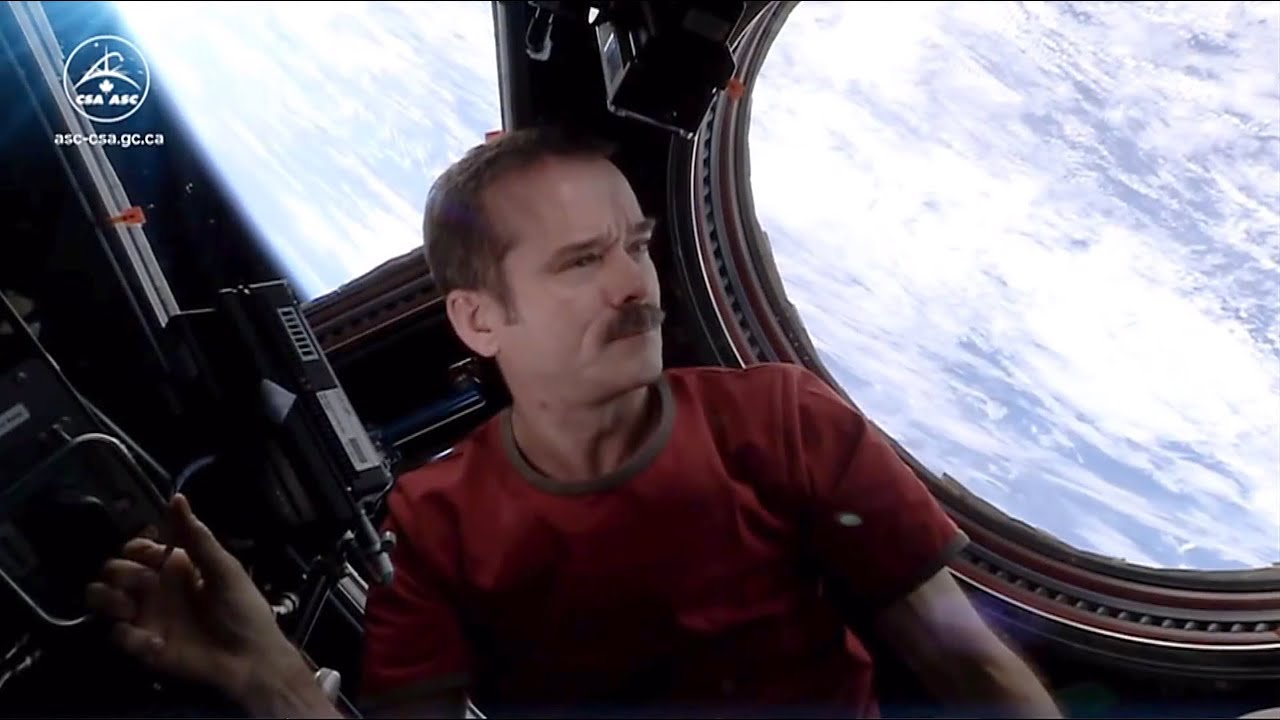
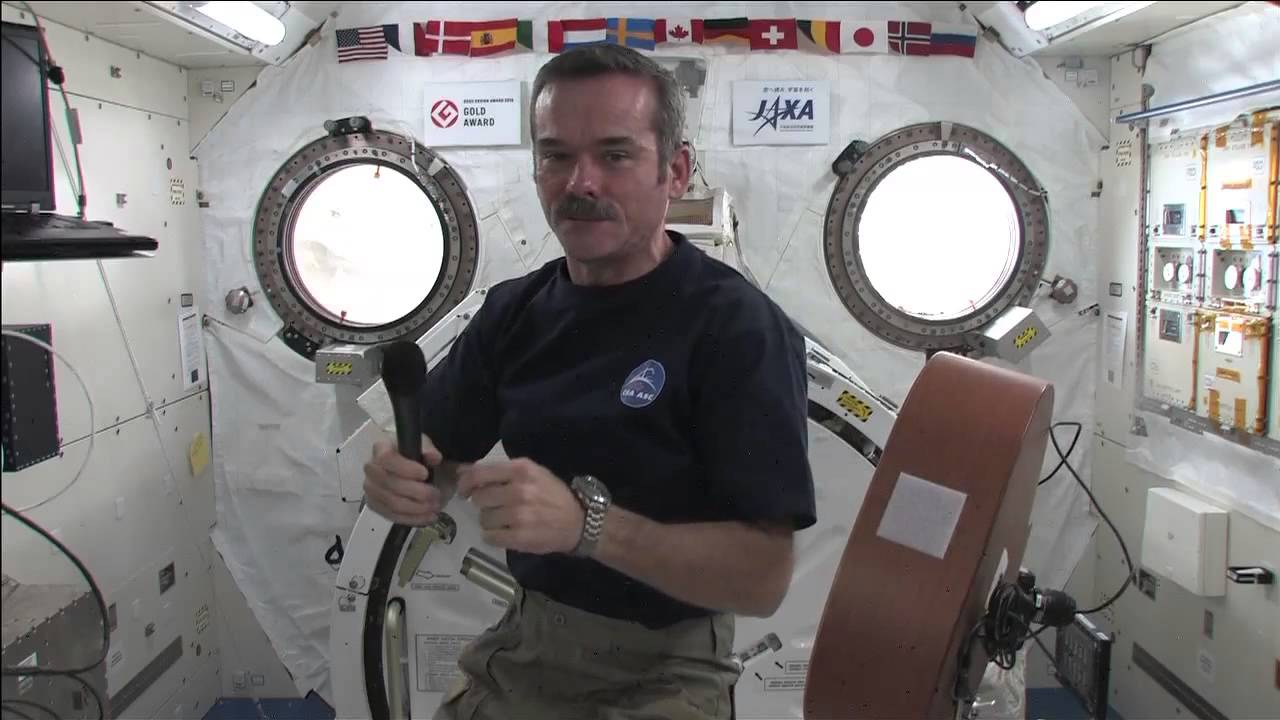
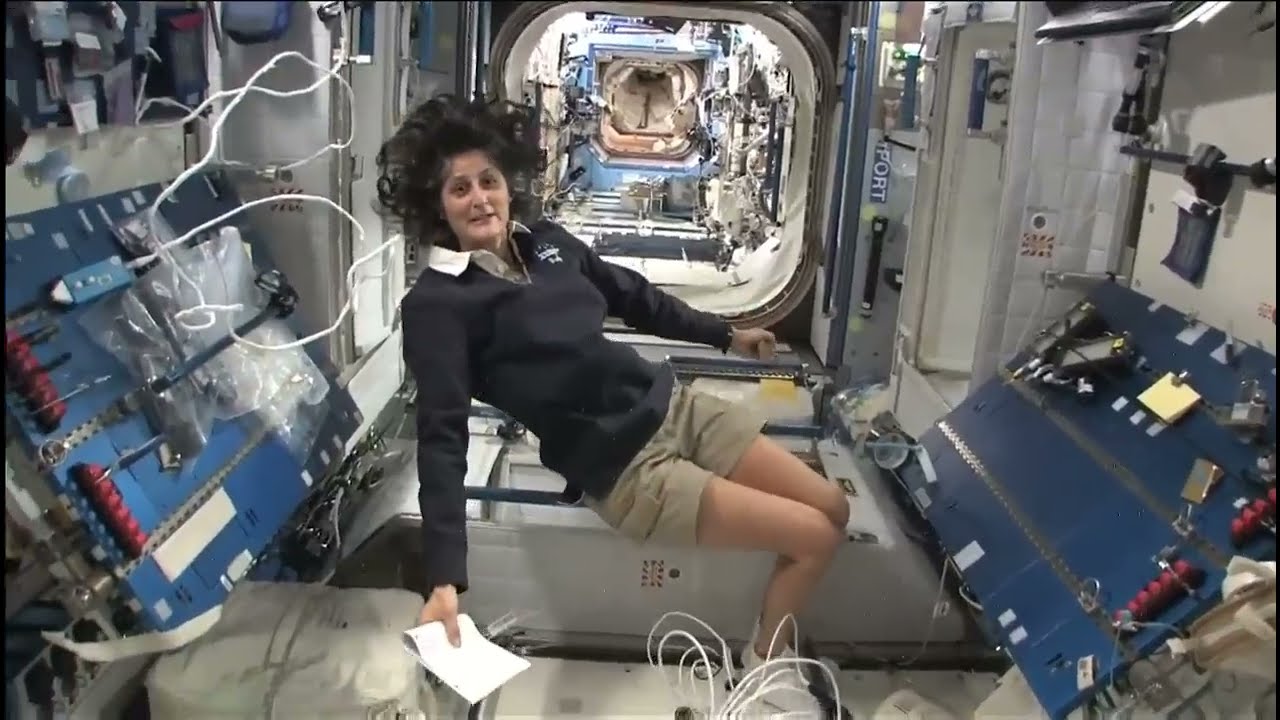
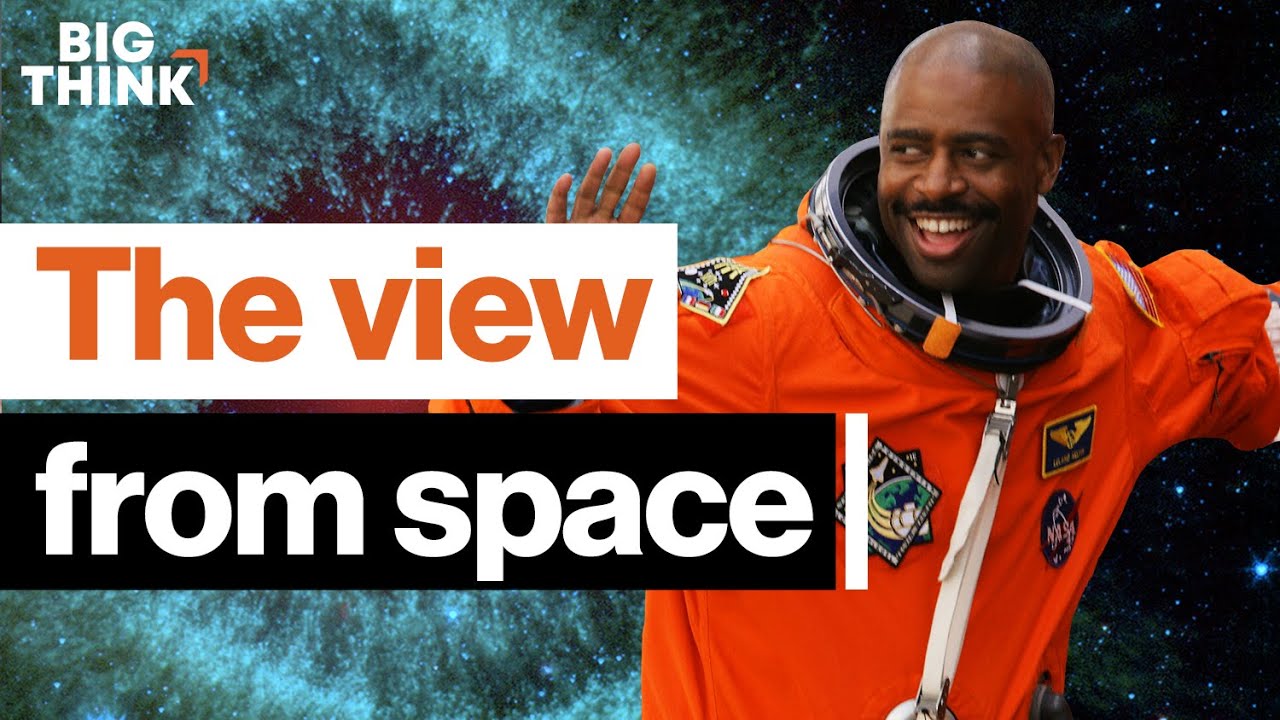
This video brings together the voices of former astronauts Garrett Reisman, Chris Hadfield, Ron Garan, and Leland Melvin as they each share a personal anecdote about what they saw, felt, and learned during their training and their time in space.
From Reisman's memories of seeing Earth's atmosphere from above for the first time, to Hadfield's extensive camera photography training, these space stories offer unique insights into a cool and very complex profession.
Check out Leland Melvin's latest book Chasing Space: An Astronaut's Story of Grit, Grace, and Second Chances at https://amzn.to/2Qq0Ma8
----------------------------------------------------------------------------------
TRANSCRIPT:
DR. GARRETT REISMAN: The thing that was probably the most impactful and surprising to me was when I looked at the horizon of the Earth and I saw how thin the atmosphere was. That was actually really scary. It was shocking. When you look at the atmosphere from Earth orbit it looks incredibly fragile. It's this little tiny thin blue line that separates the sunlit Earth from the black void of space. And compared to the diameter of the Earth it's tiny. I mean, you could hold up your pinky and block the whole thing out very easily. It looks terribly fragile. It looks like a gust of wind could come by and just strip the thing away. The next time, in fact, if you're home right now at your computer please open up a browser, put this on pause, open up a browser and just Google 'Earth from space' and then go to the images. And just look at any picture we took of the horizon of the Earth from space and you'll see that thin blue line. Look for yourself at just how think that is. When you compare the thickness of the atmosphere to the diameter of the Earth it's like the same dimension or fraction or ratio I should say as the shell on an egg or the skin on an apple. It's incredibly thin and that gives you a real visceral impression of just how fragile this planet is. And by the way, this happened to me. I had this experience and then about a week later I was looking out the window and I was looking down at the Earth and I saw what you see most of the time which is the ocean. When you look at the ocean I thought to myself well gee, how think is that? I could see the atmosphere. I could see how thin that is. What about the ocean? How deep is it? And the answer is that the ocean is ten times less deep than the atmosphere is high. The atmosphere, we draw an arbitrary line at 100 kilometers. We call that the Karman line and we say okay, that's where the atmosphere ends and that's where space begins. And that's kind of, again that's kind of made up, but it's about where, the blue line you see in those photographs is probably about 80 kilometers, but let's say about 100 kilometers. That's a nice round number. That's about 300,000 feet. The deepest part of the ocean like the Marianas Trench, Challenger Deep. The very deepest part that's about 35,000 feet deep. So that's ten times thinner than the atmosphere. So when you see that tiny thin blue line and when you look at those photographs think for a moment that the ocean is ten times thinner than that. And then think about the fact as I talked about before about how this planet is perfect for us, how it provides everything we need. All the food we need, all the air we need to breathe, the water we need to drink. It's where all of our friends and family live. It's where all the animals are, and the plants, and rainbows, and mountain ranges, and whales in the ocean. All that stuff that makes this our home, it's somewhere between the bottom of the ocean and the top of the atmosphere. And that's tiny. It's so tiny. What we have is a giant planet and sure, if you look out the window of the Space Shuttle, the Space Station it covers your whole view. It's monstrous this planet, but the part that matters to us is this tiny little bit. Just a tiny sliver on top. It's like we have a massive planet that's a big, giant dead rock with an incredibly precious surface coating.
CHRIS HADFIELD: As astronauts we train more than anybody knows. I had photographers train me. Hasselblad cameras with 70 millimeter film, and Aeroflex cameras, and I became an IMAX cameraman and helped make two IMAX movies, and Linhof cameras, and the whole gamut of complex photography with all of those photographers...
Read the full transcript at https://bigthink.com/videos/astronaut...
Повторяем попытку...
Доступные форматы для скачивания:
Скачать видео
-
Информация по загрузке: