AS 9701 Organic Chemistry Part 16 | Alcohols | Oxidation of Primary, Secondary, Tertiary Alcohols
Автор: MEGA Lecture
Загружено: 2023-01-09
Просмотров: 2337
Описание:
To join our Free Trial Lesson, Join our Whatsapp Community Now! https://chat.whatsapp.com/CWSRaMi4i3w...
or msg at +92 323 509 4443
To purchases recorded courses with notes
https://megalecture.com/courses/ Book a FREE demo class for Oct Nov 2022 session through the link below: https://docs.google.com/forms/d/e/1FA...
Visit our website for video courses and other resources:
https://megalecture.com/courses/
16 Hydroxy compounds
16.1 Alcohols
Learning outcomes
Candidates should be able to:
1 recall the reactions (reagents and conditions) by which alcohols can be produced:
(a) electrophilic addition of steam to an alkene, H2O(g) and H3PO4 catalyst
(b) reaction of alkenes with cold dilute acidified potassium manganate(VII) to form a diol
(c) substitution of a halogenoalkane using NaOH(aq) and heat
(d) reduction of an aldehyde or ketone using NaBH4 or LiAlH4
(e) reduction of a carboxylic acid using LiAlH4
(f) hydrolysis of an ester using dilute acid or dilute alkali and heat
2 describe:
(a) the reaction with oxygen (combustion)
(b) substitution to halogenoalkanes, e.g. by reaction with HX or KBr with H2SO4 or H3PO4; or with PCl 3 and
heat; or with PCl 5; or with SOCl 2
(c) the reaction with Na(s)
(d) oxidation with acidified K2Cr2O7
or acidified KMnO4 to:
(i) carbonyl compounds by distillation
(ii) carboxylic acids by refluxing
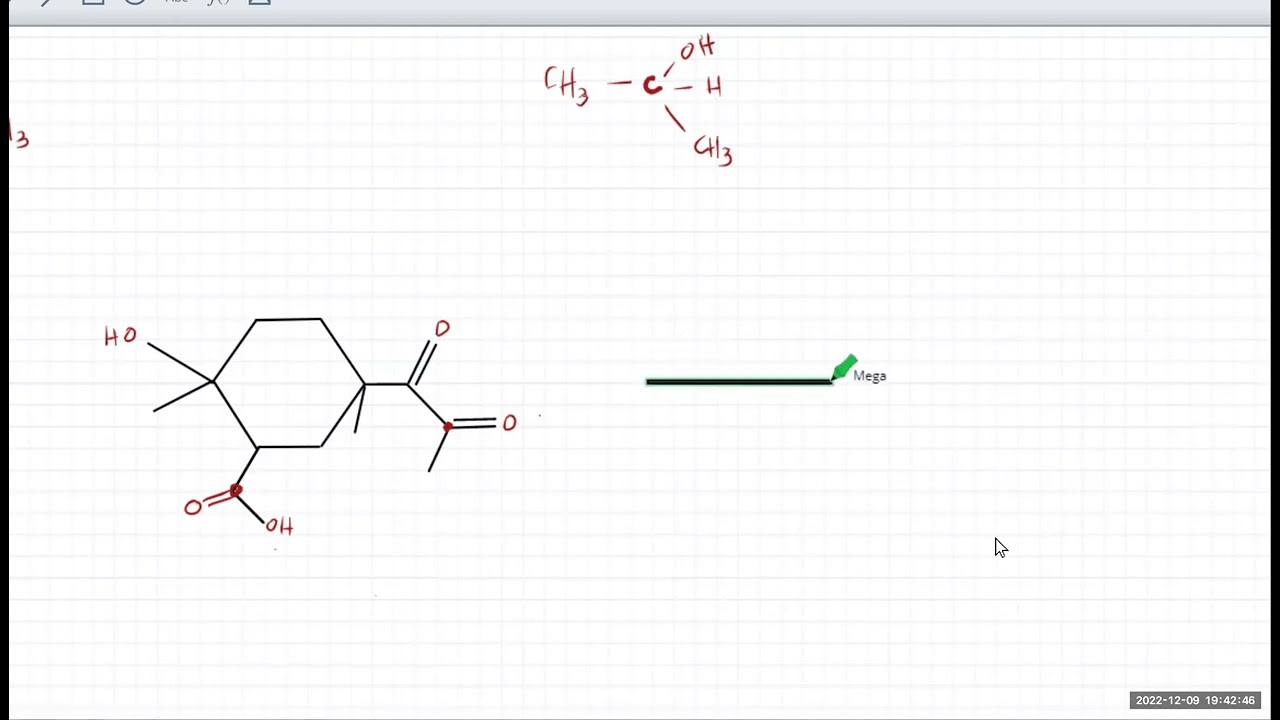
(primary alcohols give aldehydes which can be further oxidised to carboxylic acids, secondary alcohols
give ketones, tertiary alcohols cannot be oxidised)
(e) dehydration to an alkene, by using a heated catalyst, e.g. Al 2O3 or a concentrated acid
(f) formation of esters by reaction with carboxylic acids and concentrated H2SO4 or H3PO4 as catalyst as
exemplified by ethanol
3 (a) classify alcohols as primary, secondary and tertiary alcohols, to include examples with more than one
alcohol group
(b) state characteristic distinguishing reactions, e.g. mild oxidation with acidified K2Cr2O7
, colour change
from orange to green
4 deduce the presence of a CH3CH(OH)– group in an alcohol, CH3CH(OH)–R, from its reaction with alkaline
I2(aq) to form a yellow precipitate of tri-iodomethane and an ion, RCO2
–
5 explain the acidity of alcohols compared with water
AS Chemistry: • AS Chemistry (New)
A2 Chemistry: • A2 Chemistry (New)
AS Physics: • AS Physics
A2 Physics: • A2 Physics
O level Physics: • O Level Physics
NET Physics: • NET Physics
AS Maths: • AS Mathematics
O level Maths: • O Level Mathematics
NET Maths: • NET Past Papers
AS Business: • Плейлист
A2 Business: • Плейлист
AS Economics: • Плейлист
A2 Economics: • Плейлист
SAT Sample Papers: • SAT Mathematics Past Papers
Повторяем попытку...

Доступные форматы для скачивания:
Скачать видео
-
Информация по загрузке: