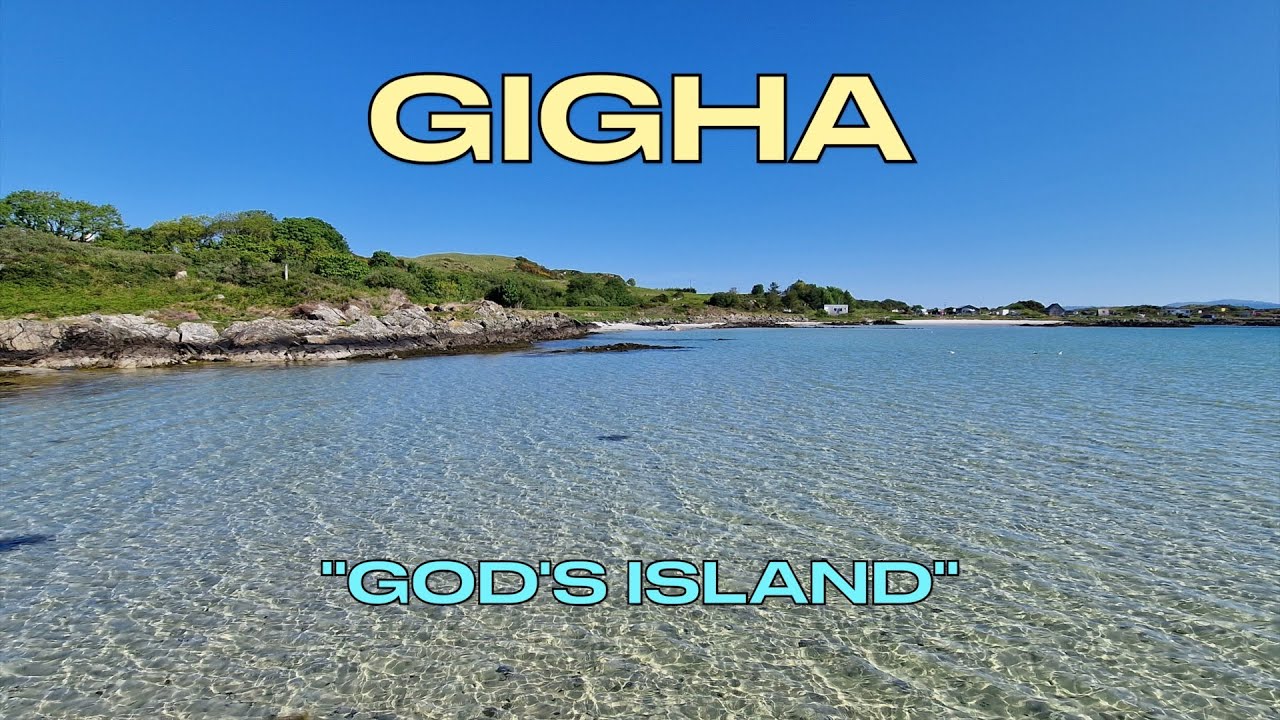
A Portrait of Gigha - "God's Island" (Cultural Travel Guide to this Idyllic Hebridean Island)
Автор: JONATHAN WHEELER FILMS (eye scotland)
Загружено: 2025-05-20
Просмотров: 2568
Описание:
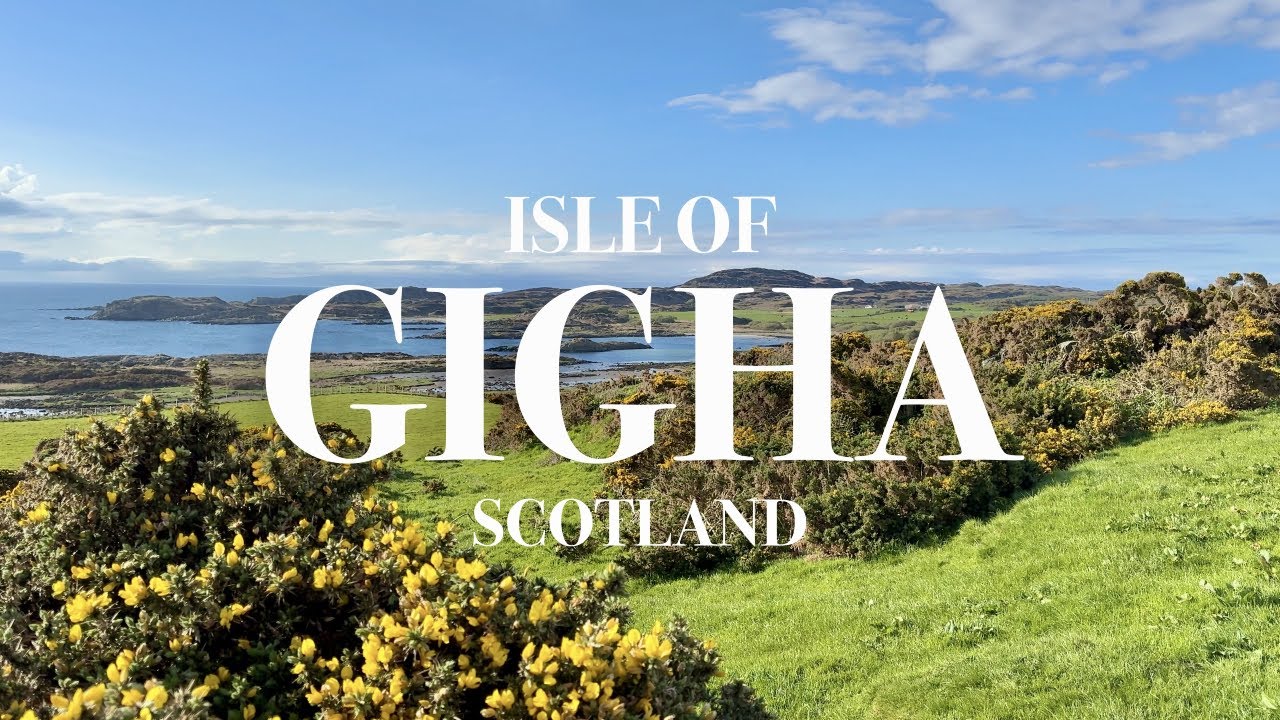
Gigha is an island of the Inner Hebrides, 6 miles long from north to south and 1.5 miles wide,. Historically it was owned by private landlords until 2002 then Derek Holt, the last private owner, sold the island to the residents of the island for £4.15 million. At the time this was the largest community buy-out in the UK, funded by the Scottish Land Fund/Lottery (£3.5m), Highland and Islands Enterprise (£0.5m) and the islanders. Gigha Heritage Trust now owns the island and great efforts have been made to ensure sustainable development of the land and grow the population. the 15th Marc, the anniversary of the buy out, is celebrated on the island every year as “Gigha Day”
I’ll explain the reference to God later, but first the practicalities of getting to Gigha. The Calmac ferry leaves from the small village of Tayinloan on the Kintyre peninsula. The 3 mile crossing of the Sound of Gigha takes about 20 minutes and ferries leave roughly every hour. If you have a microlight or a very small plane then you could possibly arrive by air. Assuming that like me you’ll likely take the ferry, on a clear day you’ll see the Paps of jura and even Northern Ireland to the south, and it’s not long before the harbour and cottages of Gigha’s main village Ardminish comes into view. You can easily walk to Ardminish and Achamore Gardens from the ferry slipway but if you want to travel a little further and you haven’t brought the car then you can easily hire a bicycle, or a kayak.
You’ll very quickly notice that diary farming is vital to the island’s economy. 900 acres of arable land are farmed and relative to its size it said that Gigha is the most fertile and productive island in Scotland. And those fertile soils have helped create the famous Achamore Gardens. Achamore House was, not surprisingly, the residence of the Lairds of Gigha. In 1944 Colonel Sir James Horlick purchased Gigha. A keen horticulturalist, he was aware that the warm wet climate of the gulf stream and the sheltered location of the gardens would allow for the cultivation of tropical plants and rhodedendrons. He wasn’t wrong. The gardens fell into disrepair for a time but in recent years that Gigha Heritage Trust has taken on the task of restoring them to their former glory.
Christianity arrived on Gigha in the middle of the first millenium with the missionary monk, St Columba, who was travelling up the coast of Argyll from Ireland to Iona. It is believed that one of his contemporaries, a monk called Catan, built a cell at the site of a holy well, which then became became Kilchattan church and graveyard. The church dates from the 13th century and is famous for its intricately carved burial slabs.
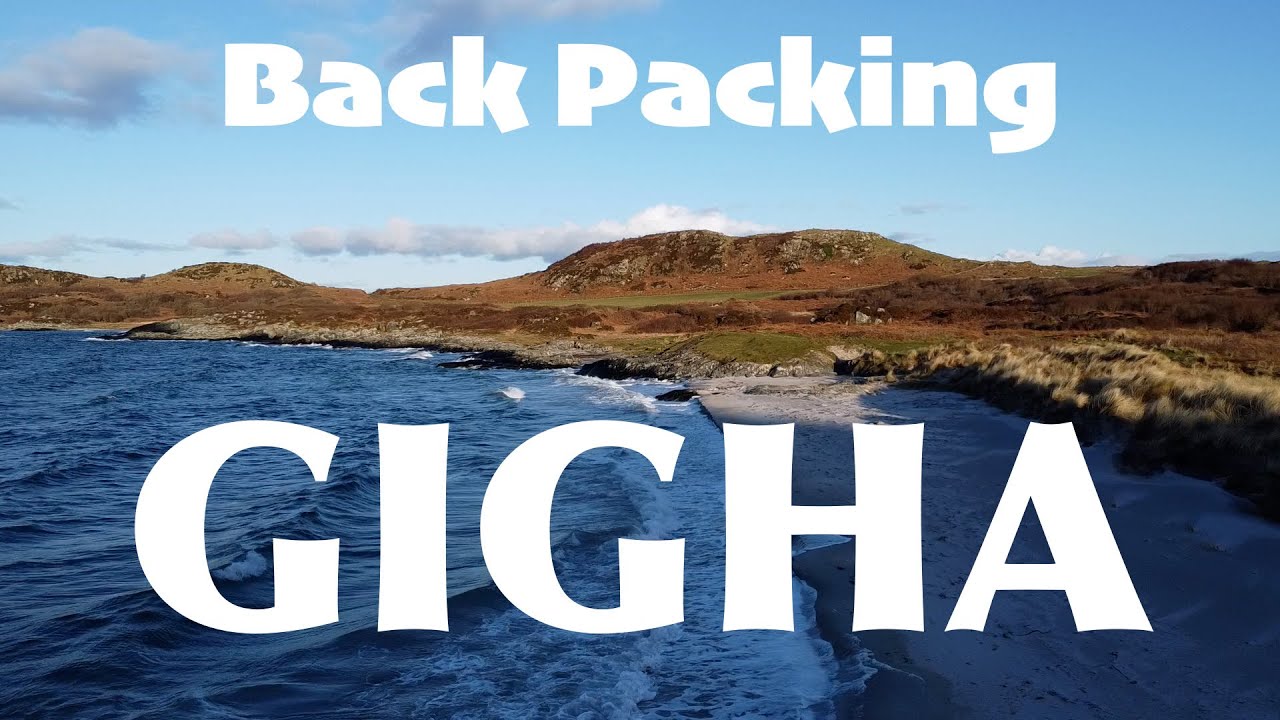
From the white sand beaches on the east side of the island the panorama takes in Gigha’s much larger Hebridean neighbours, the islands of Islay and Jura. To the west lies the panorama of Kintyre.
Gigha may be small, but it does have a shop, and a scattering of places to eat and stay. Full details are on the island’s website.
Now, remember I said that this was God’s island. Well that’s because Many modern authorities believe that the name "Gigha" is probably derived either from the old Norse word for "good island" or "God island”, from the time that it was part of the viking Kingdom of the Isles. There are other theories too, but every time I have the good fortune to visit Gigha I find that it perfectly matches the description of God’s wee island. I think you will too. It’s a very special place.
Filmed May 2025
Jonathan Wheeler
www.jonathanwheelerflms.co.uk
Additional music licensed through Artlist
Drone footage licensed through Envato
Повторяем попытку...
Доступные форматы для скачивания:
Скачать видео
-
Информация по загрузке: