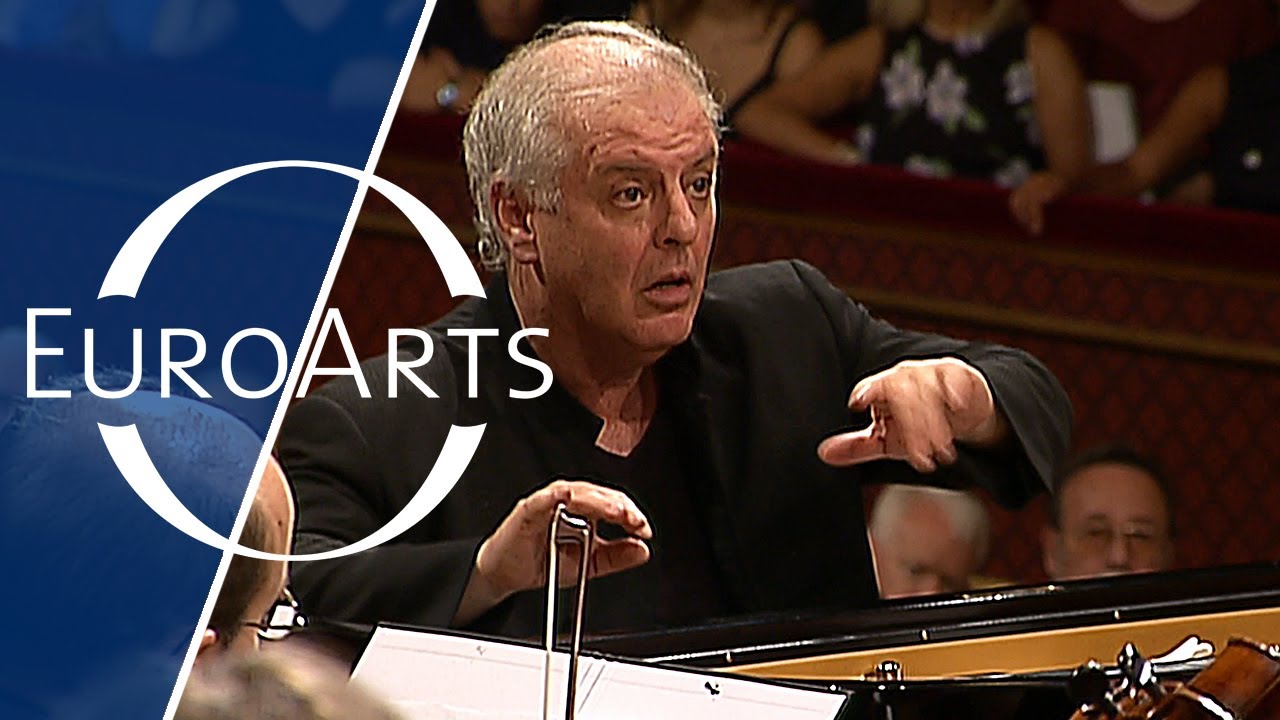
2/5 New York Philharmonic 1999 Opening Concert - Rostropovich/Masur Dvořák Cello Concerto - Finale
Автор: Marlin Owen
Загружено: 2026-02-22
Просмотров: 43
Описание:
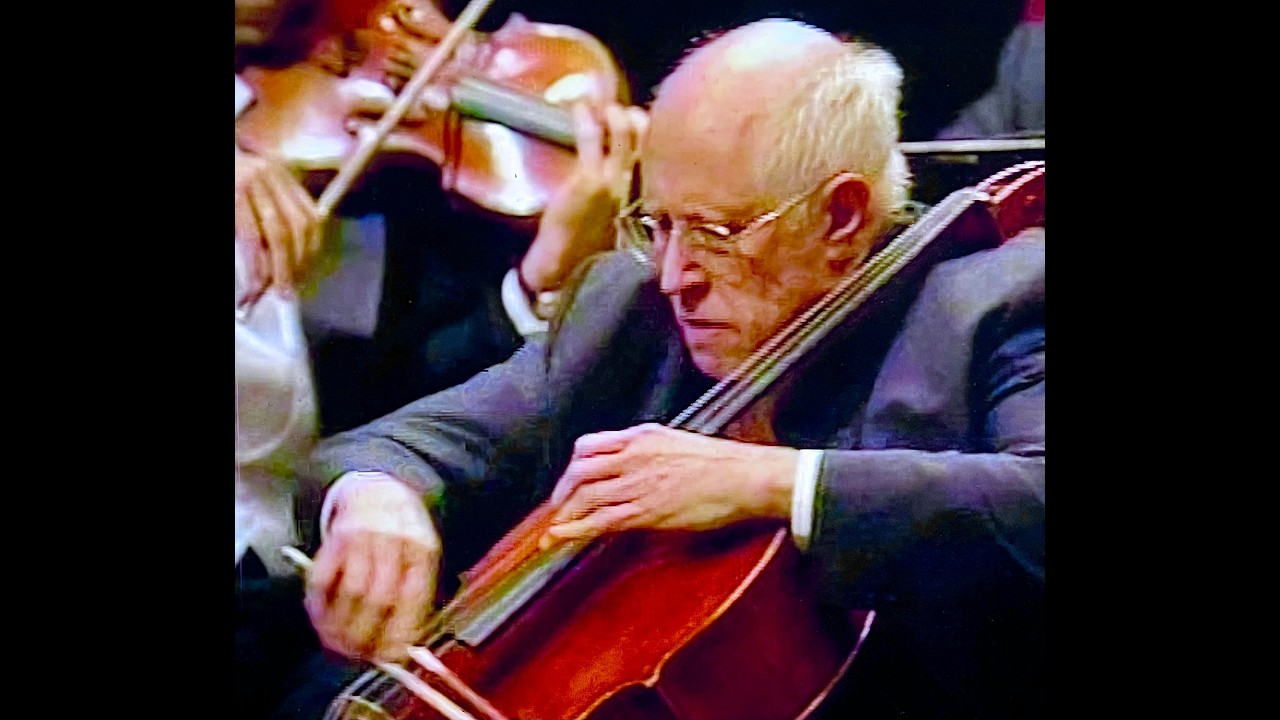
Dvořák: Cello Concerto in B Minor, Op. 105
00:00 Finale: Allegro moderato — Andante — Allegro vivo
12:30 Applause
Mstislav Rostropovich, cello
Kurt Masur, conductor
New York Philharmonic Orchestra
Avery Fisher Hall, Lincoln Center - New York, NY
September 25, 1999 / PBS - Live from Lincoln Center
My favorite Rostropovich/Dvořák Performance. Listen at 38:15!!!!
Rostropovich / Ozawa / Dvořák: Cello Concerto / NHK Symphony Orchestra and Bach Dm Sarabande in Memory of the victims of the Kobe Earthquake.
• Mstislav Rostropovich:Dvořák Cello Concert...
(A young Daishin Kashimoto, Concertmaster of the Berlin Philharmonic Orchestra, is the CM!)
MUSIC REVIEW: Open Arms at Season's Opening Night
By Bernard Holland Sept. 25, 1999
Greeting guests at the door with hard questions is not the New York Philharmonic's idea of hospitality. So Thursday evening's opening of the season at Avery Fisher Hall, a prelude to dining and dancing and a subject of scrutiny by public television, became instead what pop songs of old used to call ''a warm embrace.''
In they came: the dressed, the overdressed, with sprinklings everywhere of the fashion-free. (Hard-core classical music audiences are not known for their elegance.) Symphony subscribers form a kind of club, and given the cries of recognition and well-kissed cheeks, it was clear that old acquaintances were not forgot.
Onstage Mstislav Rostropovich, the Philharmonic's visiting soloist, escalated warm embrace to bear hug as he smothered Dvorak's touching Cello Concerto under his oversize personality. The other music was an equally old and secure friend: Tchaikovsky's Fifth Symphony.
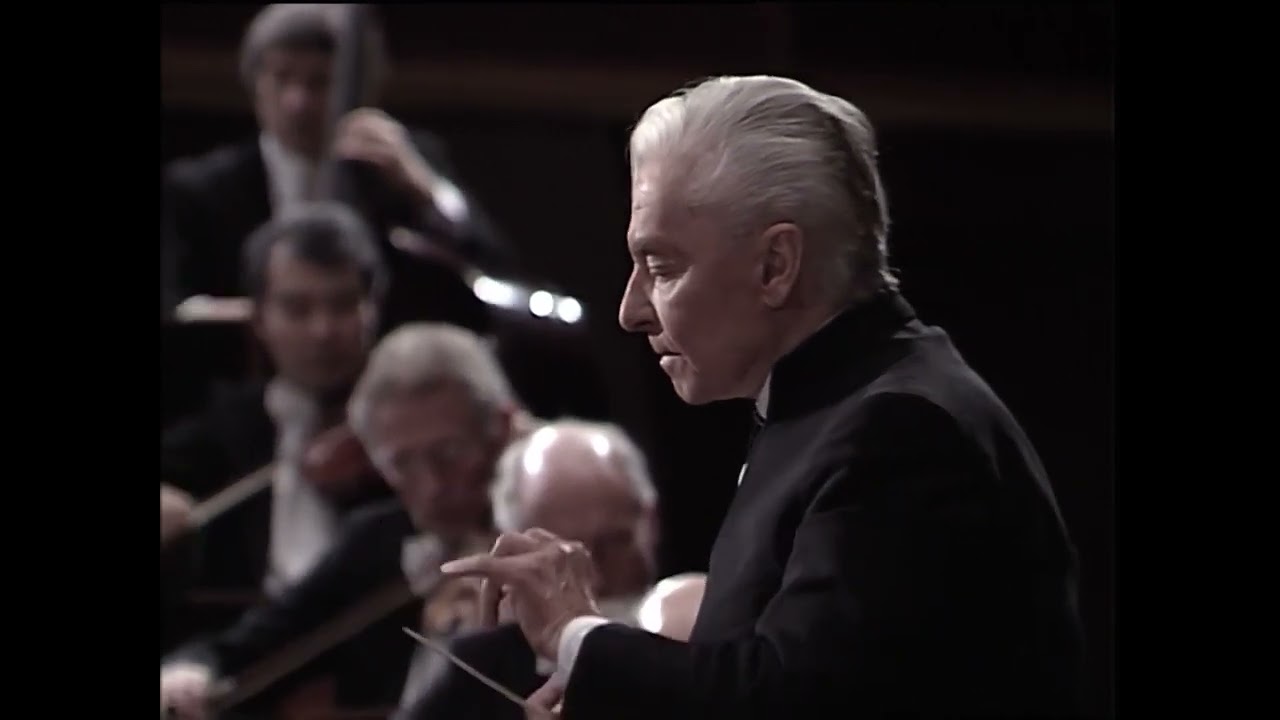
Mr. Rostropovich and Kurt Masur, who conducted, behaved like fast friends with different ideas about music. The first, at 72, is past the string player's usual age of retirement but soldiers on with customary effusiveness. The big gestures can get technically messy, but Mr. Rostropovich commands the long melodic line with great certainty. Superior string players (and he is one) invest quiet playing with an implosive character: an inwardly moving energy that draws the listener to it.
As Mr. Rostropovich orated, Mr. Masur's Philharmonic was scrupulous: a little dry but tender where necessary. The Tchaikovsky, in much the same way, came across as an earnest but loving lecture on sober living, a characteristic this music does not usually advertise. The sternness was tempered by lovely lingering episodes and rescued by the splendid qualities of the orchestra's soloists.
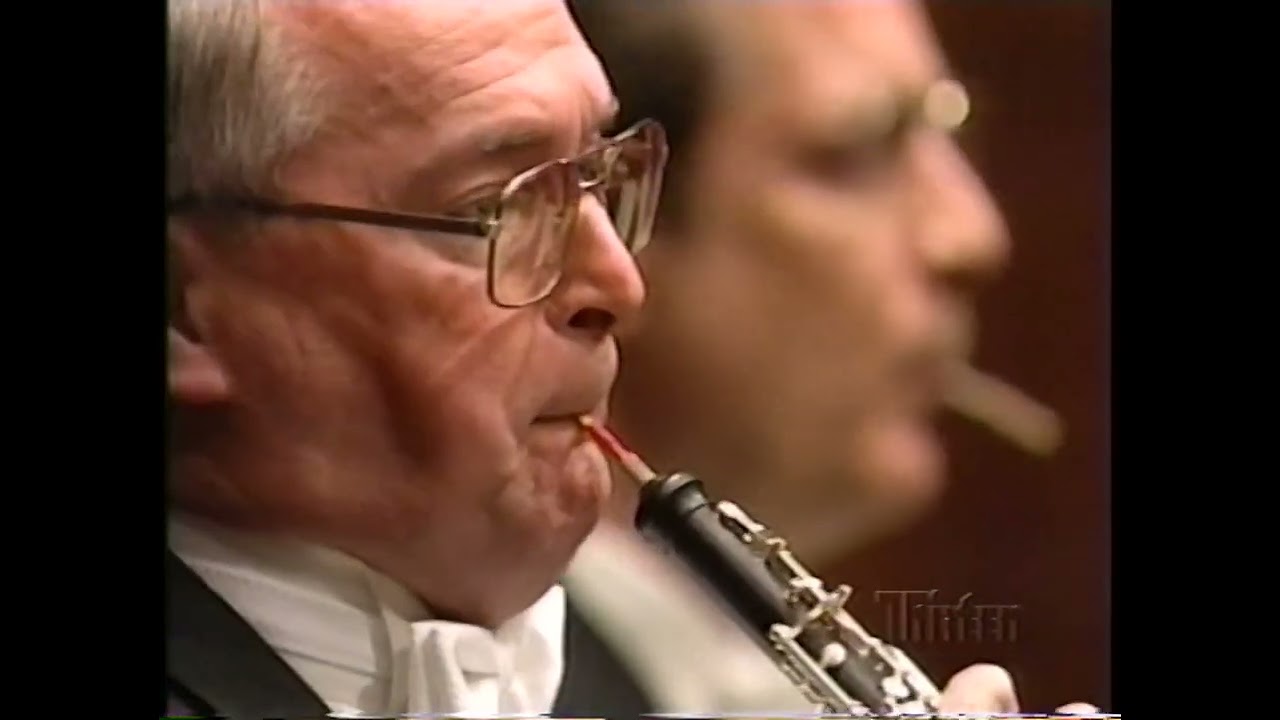
Philip Myers's horn solo in the second movement of the symphony was beautifully done. In both pieces, Glenn Dicterow, violinist, and Stanley Drucker, clarinetist, made lovely contributions.
Thursday night's composers occupied just about parallel life spans, though Tchaikovsky died in 1893 and Dvorak, living a more stable and less tortured life, lasted into the 20th century.
It is matters of temperament that separate these two pieces: the Dvorak, written in 1895, is assured and leisurely, with a horn solo in the first movement so languidly beautiful that it seems to descend from above. (Again the player was Mr. Myers.)
The symphony, finished seven years earlier, is the music of a troubled man unafraid of dramatizing his private turmoils for public consumption. Tchaikovsky predicts 20th-century anxiety. Dvorak celebrates a certitude that we have just about forgotten.
Повторяем попытку...
Доступные форматы для скачивания:
Скачать видео
-
Информация по загрузке: