Handling and Storage for Flowserve Control Valves and Positioners
Автор: Flowserve
Загружено: 2020-12-08
Просмотров: 4119
Описание:
The purpose of this video is to outline the best practices and guidelines of handling and storage of Flowserve’s control valves and positioners.
After receipt of Flowserve equipment, it must be checked against all shipping, and delivery documents. Any shortages or damage to the equipment should be reported immediately.
Storage
If it becomes necessary for the equipment to be stored for any length of time, there are precautions that should be followed. All Flowserve control valves are designed to operate in the elements, including outdoor and humid environments, when connected to a proper instrument air supply. In situations when the positioner will be stored or commissioned but left without instrument air connected for several months, it is recommended that the vent assembly of the positioner be sealed, preferably with a desiccant pouch and moisture resistant tape. Always store equipment with all plastic shipping caps and plugs in place. It is recommended to verify the plugs are tight and adequately sealed to protect from water or other contamination during storage. Always store equipment inside of a building, or warehouse so that it will not become damaged by the elements, especially water/moisture.
Flowserve control valves should be stored on a suitable pallet, and not directly on the floor/ground.
If it becomes necessary to temporarily store the equipment outdoors, it must be adequately protected from the elements.
Handling
When handling Flowserve products, it is important to consider the following:
Areas that you should not lift from include anywhere that can interrupt the normal range of motion including linkages, plugs, and other moving parts. Don't attach rigging to accessories, or accessory brackets when lifting the valve. Do lift from factory-installed lifting lugs and eyebolts. Note: Typically, smaller valves with a 25-inch or 50-inch actuators have installed eye bolts, and larger valves have installed lifting lugs or swivels. When lifting, it is critical to ensure maximum loads are not exceeded. For details on maximum lifting weights, contact your Flowserve representative for additional product information.
Always use correct lifting/rigging techniques when transporting, loading, unloading, and installing control valves. Always consult your company's best practices, & lifting/rigging techniques for proper handling.
It may be necessary to remove accessories, and/or tubing to prevent damage before lifting.
Do not allow tubing or any accessory to become contaminated when removed. (ie; dirt, sand oil, etc). Be sure that all sealing surfaces or raised faces are protected at all times.
Start-Up Considerations
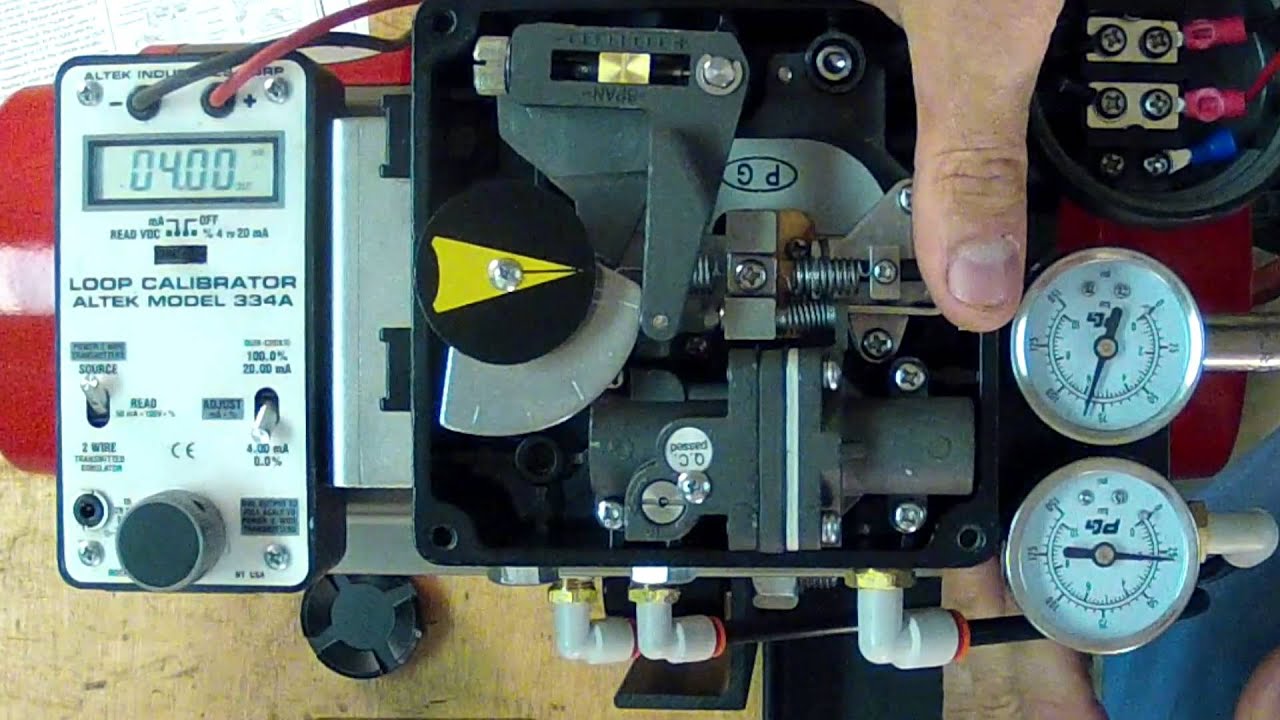
Inspect, and test digital positioners after they have been in temporary storage, or deep storage by applying an air supply, and 4-20 mA signal. Cycle test the valve to ensure correct operation. If a valve control package has been stored for more than one year, inspect at least one actuator by disassembling it per the appropriate Installation, Operation, and Maintenance Instructions (IOM) prior to valve installation. If the O-rings are out-of-round, deteriorated, or both, they must be replaced, and the actuator rebuilt. All actuators must then be disassembled and inspected. Please contact your Flowserve representative to discuss options for on-site support. Note: That there is a maximum 7-year storage life of "O" Rings.
For valves that have been stored for an extended period of time, it is recommended to contact Flowserve for inspection before commissioning.
Повторяем попытку...

Доступные форматы для скачивания:
Скачать видео
-
Информация по загрузке: