The Parable of the Sower
Автор: Paul Statchen
Загружено: 2026-01-15
Просмотров: 3
Описание:
https://paulstatchen.blogspot.com/202...
This video delves into the "Parable of the Sower," reinterpreting everyday actions like eating and working as profoundly spiritual moments. It emphasizes that these seemingly ordinary acts are symbolic crossroads, revealing our true inner state and direction in life (1:14).
The video breaks down the parable's key components:
The Sower (1:51): Represents the one who spreads the "word," which can be understood as an idea or truth.
The Seed (1:55): Symbolizes that "word" or truth.
The Soils (1:58): The most crucial element, representing the different states of the human heart and our receptiveness to truth (1:59).
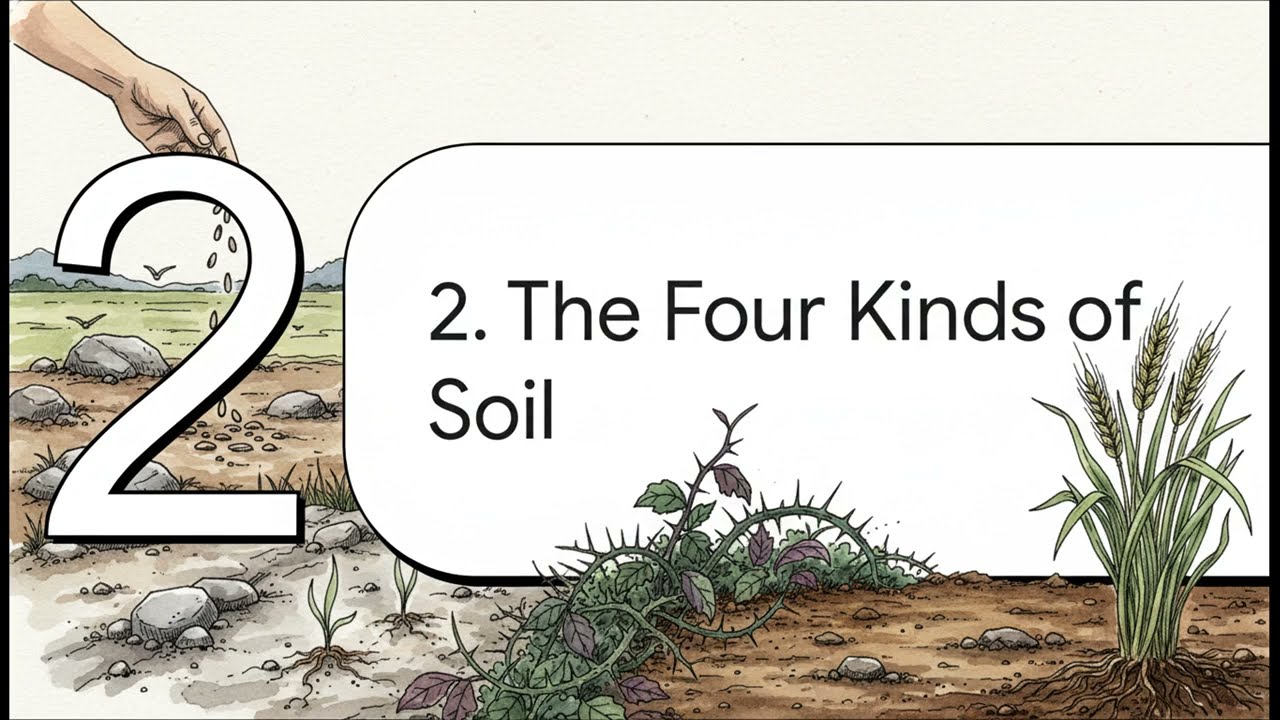
The four types of soil are linked to different aspects of our being (2:12):
Hard roadside soil (2:16): The heart, where truth doesn't sink in.
Shallow rocky soil (2:22): The soul, which initially gets excited but lacks deep roots and withers.
Thorny soil (2:28): The mind, choked by worries and worldly desires.
Good soil (2:34): Represents strength, the ability to truly hear, understand, and bear fruit.
The video then applies this framework to daily actions:
Eating (2:56): It's reframed not just as consumption but as a symbolic act of "bearing the cross" (3:06), where one eats to become a vehicle for delivering something to others, emphasizing giving over receiving (3:24).
Building/Work (3:46): The video contrasts the world's way of building permanent, rigid structures with the "seer's way" of building with humility, creating things that can be easily changed or added to, respecting future generations' freedom (3:54).
The ultimate task, according to the video, is to clean (4:34). Becoming "good soil" means cultivating the inner strength to purify and deliver the world from decay and disorder. This is likened to divine actions of purification such as healing the sick and cleansing the leper (4:50). Modern examples include redirecting military power to combat pollution and dealing with waste (5:16).
Finally, the video concludes that accepting impermanence and the eventual end of all structures leads to a profound freedom (5:50). This acceptance liberates one from fear, allowing for genuine love and gentleness in the present moment (6:11). The world is presented as a vineyard entrusted to humanity, and our daily actions are how we tend to it, leaving the viewer to ponder what kind of "soil" they are (6:30).
Повторяем попытку...
Доступные форматы для скачивания:
Скачать видео
-
Информация по загрузке: