Properties of Water and pH
Автор: Tangerine Education
Загружено: 2016-08-19
Просмотров: 8024
Описание:
This video explains the properties that come about from the polarity of water, and what this has to do with pH.
** If there are any pictures used in this video, they are NOT MINE and I will not take credit for them. **
TRANSCRIPT:
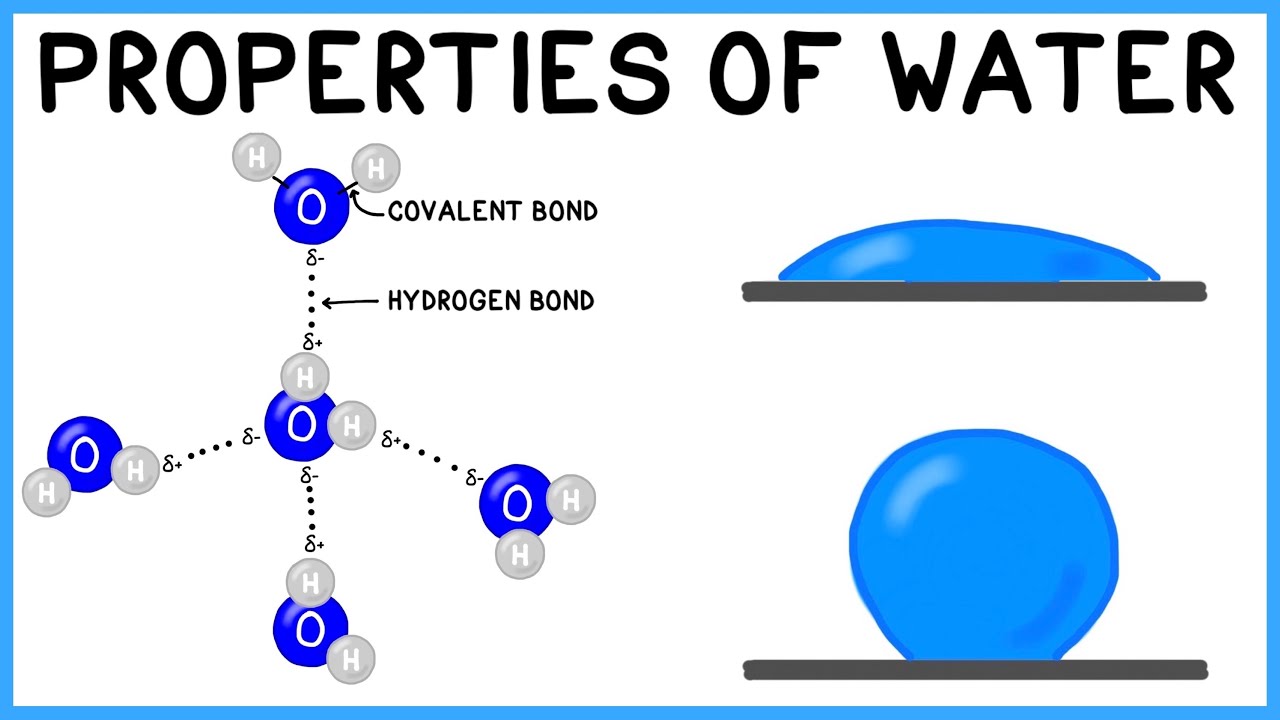
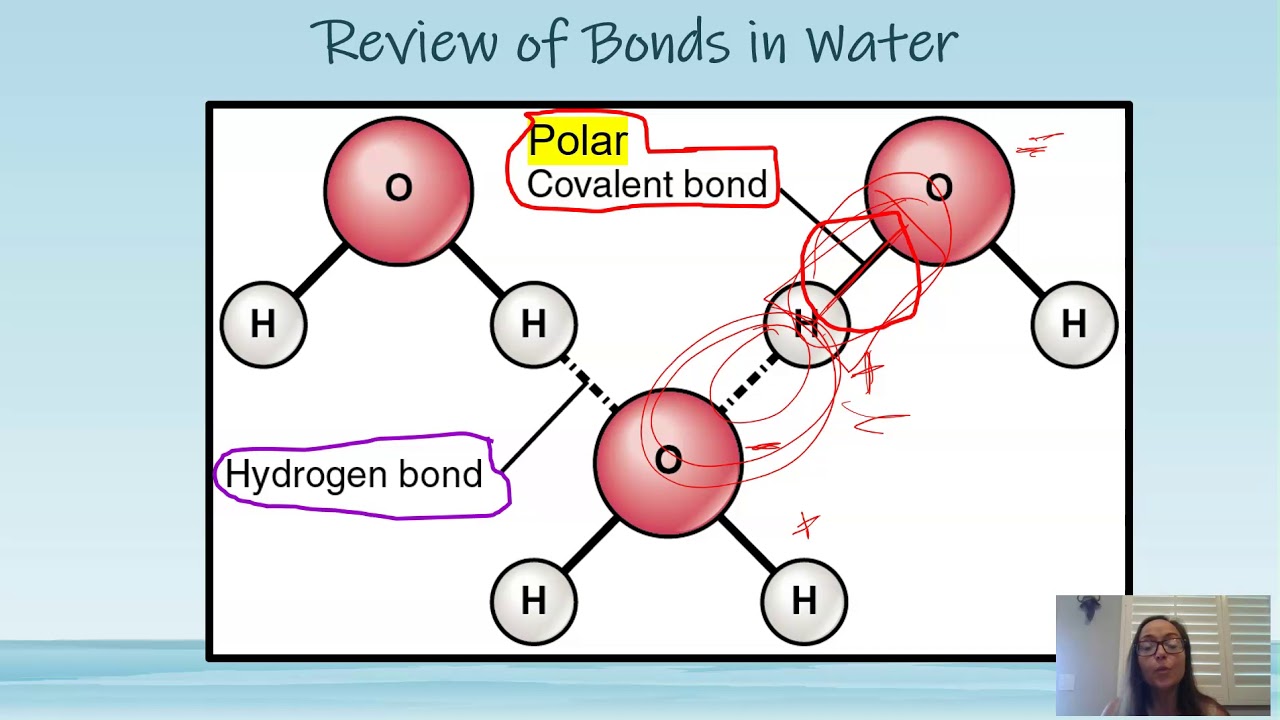
Water is an extremely polar molecule, meaning that it has an unequal distribution of electrons. That’s because oxygen is such an electron hog, and the electrons spend most of their time near oxygen. This results in oxygen having a partial negative charge, and the two hydrogen atoms covalently bonded have a partial positive charge. Hydrogen bonding then occurs since these partial positive and negative charges are all attracted to each other, and they keep forming bonds over and over again in a body of water. This amazing ability of hydrogen bonding actually gives rise to four properties of water that contribute to Earth’s fitness for life.
First up is cohesion: the attraction of water to water. This is when hydrogen bonds hold water together, which is why you can sometimes see droplets of water on a flat surface – the water is somewhat clinging to itself to form a little dome. Cohesion works with adhesion to pull water up a plant without requiring any energy, which is a feat in itself. Adhesion is the attraction of water to something else. So, you can see here that while water is seemingly linking itself to itself, it’s also clinging to the sides of the plant cells, which helps it keep flowing up in the plant, even against gravity.
Water can also moderate temperatures due to its high specific heat. Specific heat describes the amount of heat that must be absorbed or lost for one gram of the substance to change its temperature by one degree Celsius. And, this high specific heat owes all of its credit to hydrogen bonding. The bonds make it harder for heat to separate and speed up the water molecules, resulting in a higher specific heat. That means a large body of water can absorb and store a huge amount of heat while warming up only a little bit. This is also a reason why coastal areas are more moderate than inland areas.
In addition to all of this, water can insulate bodies of water by floating ice. Ice is less dense than water due to hydrogen bonding – again! The hydrogen bonds keep water molecules sort of at arm’s length when it crystallizes into ice, forming this structure. And because ice is less dense than water, it floats to the top and acts as a barrier between the deeper water and the frigid atmosphere above. This is a major component of some ecosystems because it keeps water-dwelling organisms from freezing.
Water’s last big property is that it acts as a great solvent, meaning it can dissolve almost anything. Going back to sodium chloride, negative oxygen regions of water molecules are attracted to positive sodium atoms and form something called a hydration shell around the sodium atom. Another hydration shell forms around the negative chloride atom. We call sodium chloride and other substances that have an affinity for water hydrophilic, literally meaning water-loving. Substances that aren’t dissolved by water are hydrophobic (water-fearing), like oil. Sometimes you can even see that when you put water and oil together in the same container, they separate like this.
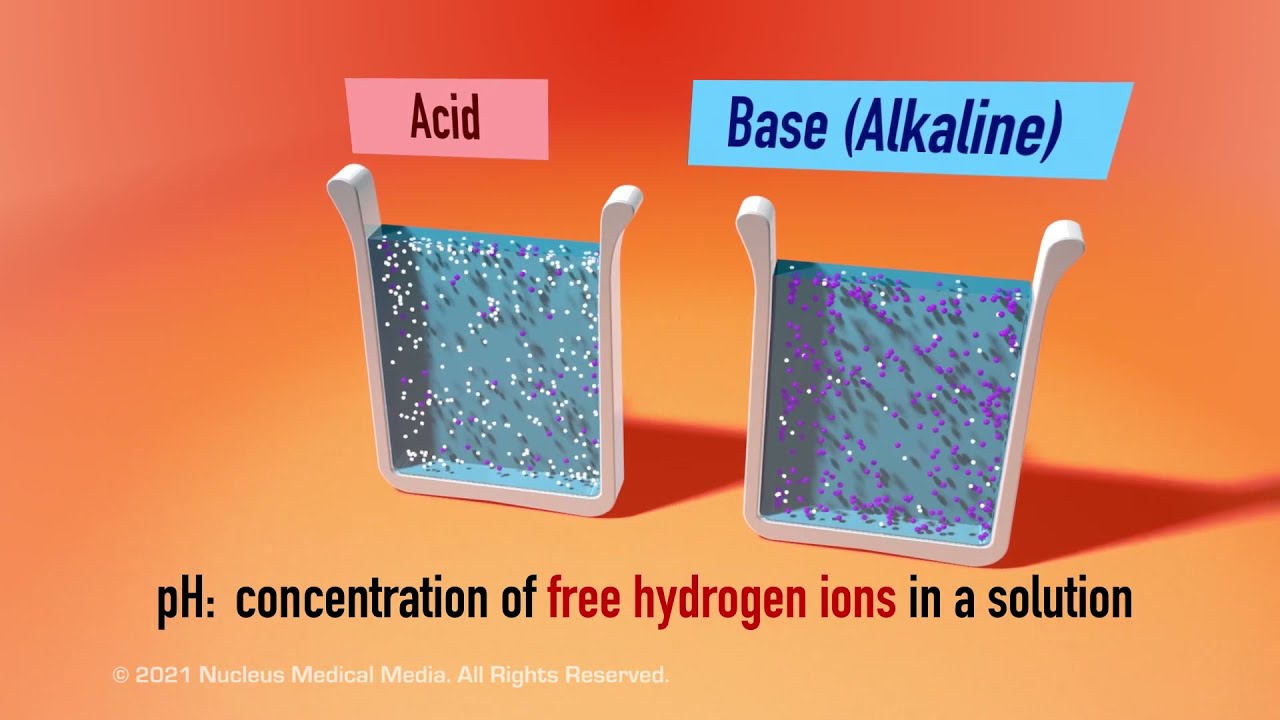
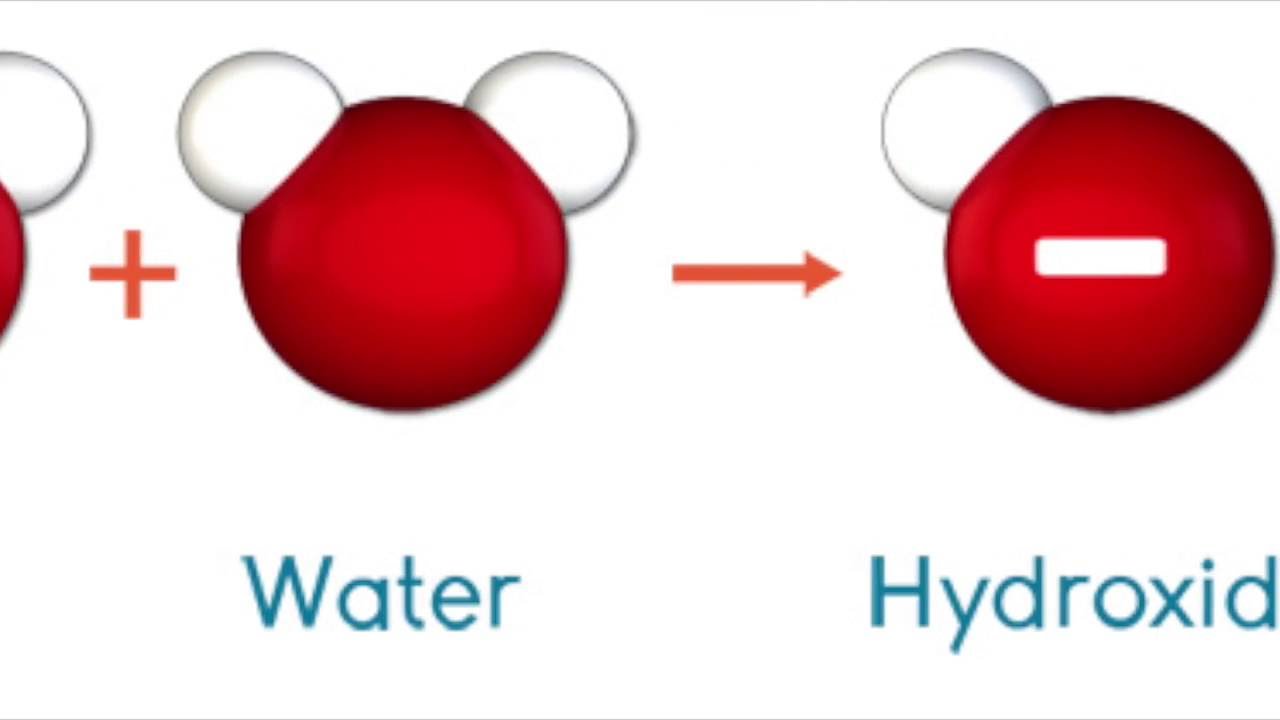
Last up is pH, which is a measure of how acidic or basic a substance is. Occasionally, a hydrogen atom in a hydrogen bond may shift from one water molecule to another. The result looks like this: a hydronium ion has three protons, and a hydroxide ion has only one so it’s negative. You can think of it as H+ and OH-. The more H+ there is in a solution, the more acidic it is. And, the less H+ there is in a solution, the more basic it is. Here’s a pH scale, which can be kind of confusing at first. It actually works in an inverse relationship: the lower the number, the more H+ there is and the more acidic it is. Pure water has a pH of 7, so 7 describes a solution that is neutral. 0 describes a solution that is extremely acidic, and 14 describes a solution that is extremely basic. Blood has a pH around 7.4, and it contains many substances called buffers that minimize changes in the concentrations of H+ and OH- in a solution. When there’s a drop in pH, the buffer accepts extra H+ atoms so that pH goes back up again. The reverse happens when there’s a rise in pH: the buffer gives up an H+ atom so that pH can go back down again.
So that’s mostly all you need to know about water! It’s cohesive, it can moderate temperatures, it can insulate the water underneath it through floating ice, and it acts as a great solvent. When water dissociates, it results in one H+ and one OH-. The concentrations of these atoms can then be measured using the pH scale. You should also practice getting used to the fact that the lower the pH number is, the more acidic it is. And that’s it for today! Feel free to like, comment, subscribe, and look at my other videos for more AP bio help! Thanks for watching.
Повторяем попытку...
Доступные форматы для скачивания:
Скачать видео
-
Информация по загрузке: