Dark Matter & Dark Energy | The Invisible Forces in Our Universe
Автор: Unique Beam
Загружено: 2023-07-21
Просмотров: 1493
Описание:
Dark matter is a fascinating concept that plays a crucial role in our understanding of the universe. Despite its name, dark matter is not "dark" in the sense of being black or devoid of light. Rather, it refers to matter that does not emit, absorb, or interact with electromagnetic radiation, making it invisible to traditional methods of detection.
Dark Matter
Dark matter is a type of matter hypothesized to account for approximately 85% of the matter in the universe and about a quarter of its total energy density. Its presence is implied in a variety of astrophysical observations, including gravitational effects that cannot be explained by accepted theories of gravity unless more matter is present than can be seen.
Dark matter does not emit or interact with observable electromagnetic radiation, such as light, and is thus invisible to the entire electromagnetic spectrum. This makes it extremely difficult to detect using traditional astronomical tools. The search for dark matter involves looking for indirect effects and using a variety of experimental and observational tests, including gravitational lensing, cosmic microwave background radiation analysis, and galaxy rotation curve studies.
Despite the challenges, understanding dark matter is crucial. It plays a central role in the structure formation of the universe, with its gravitational influence thought to be responsible for the formation of galaxies and clusters of galaxies.
Dark Energy
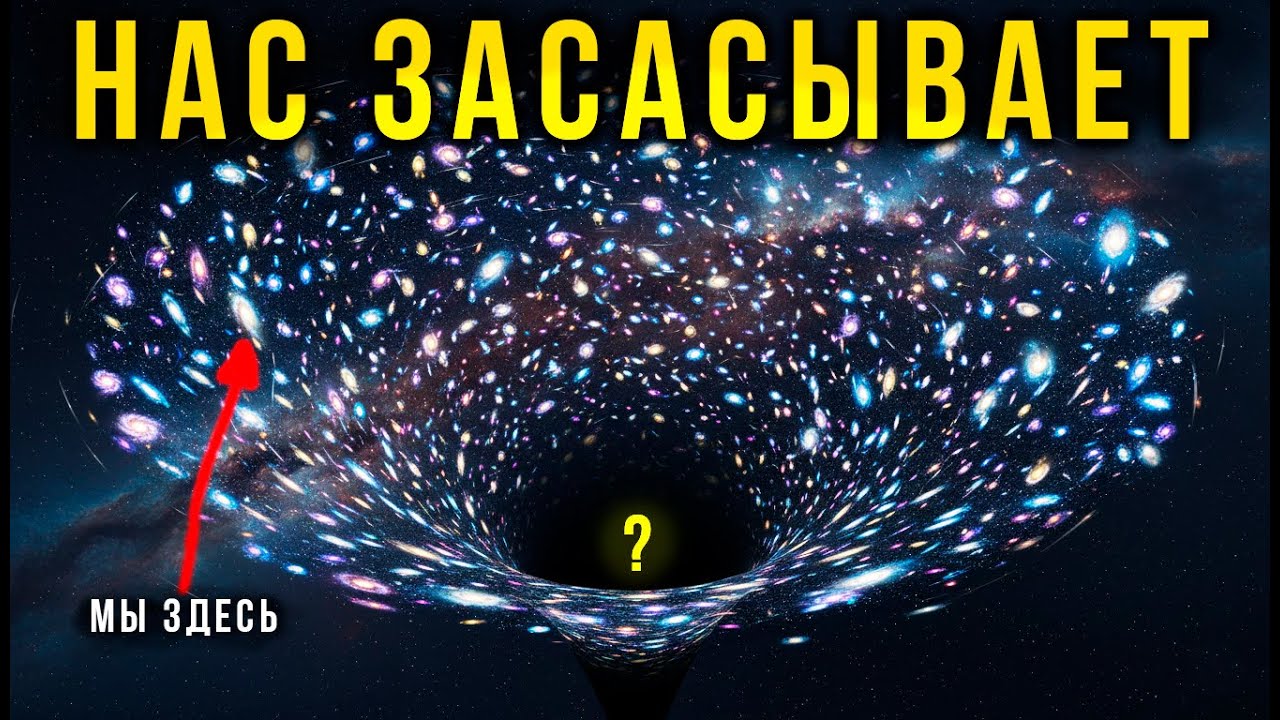
While dark matter pulls matter together due to its gravitational effects, dark energy is believed to do the exact opposite. Dark energy is a form of energy thought to permeate all of space, tending to accelerate the expansion of the universe. It is estimated to constitute approximately 70% of the total energy in the observable universe.
The concept of dark energy, although still a hypothesis, originated from observations of distant supernovae that suggested the universe was not just expanding, but accelerating in its expansion. This acceleration was a surprise discovery, as it was previously thought that the gravity of matter in the universe was causing the expansion to slow down.
Dark energy, with its repulsive gravity, is the leading explanation for this acceleration. However, its exact nature remains one of the biggest questions in cosmology. Some theories suggest it's a property of space itself (the cosmological constant), while others propose it's a new, dynamic field or a symptom of unseen dimensions.
Conclusion
Dark matter and dark energy, despite their elusive nature, are fundamental to our understanding of the universe. They represent the triumph of observation and theoretical prediction, demonstrating that there is more to the universe than what we can see. However, they also signify our scientific limitations, reminding us that there are still vast areas of knowledge waiting to be explored.
In the coming years, scientists will continue to probe the nature of these invisible forces using advanced experiments, telescopes, and other tools. As we continue to push the boundaries of our understanding, we may eventually unravel the mysteries of dark matter and dark energy, providing new insights into the nature of the universe and our place within it.
Don't forget to subscribe to our channel for more fascinating insights into the Universe, hit the bell icon for notifications, and if you enjoy our content, please consider supporting us on Patreon. Your support helps us continue to make complex scientific concepts accessible to all. Let's explore the cosmos together!
#Darkmatter #Darkenergy #Universe #UniqueBeam
Повторяем попытку...

Доступные форматы для скачивания:
Скачать видео
-
Информация по загрузке: