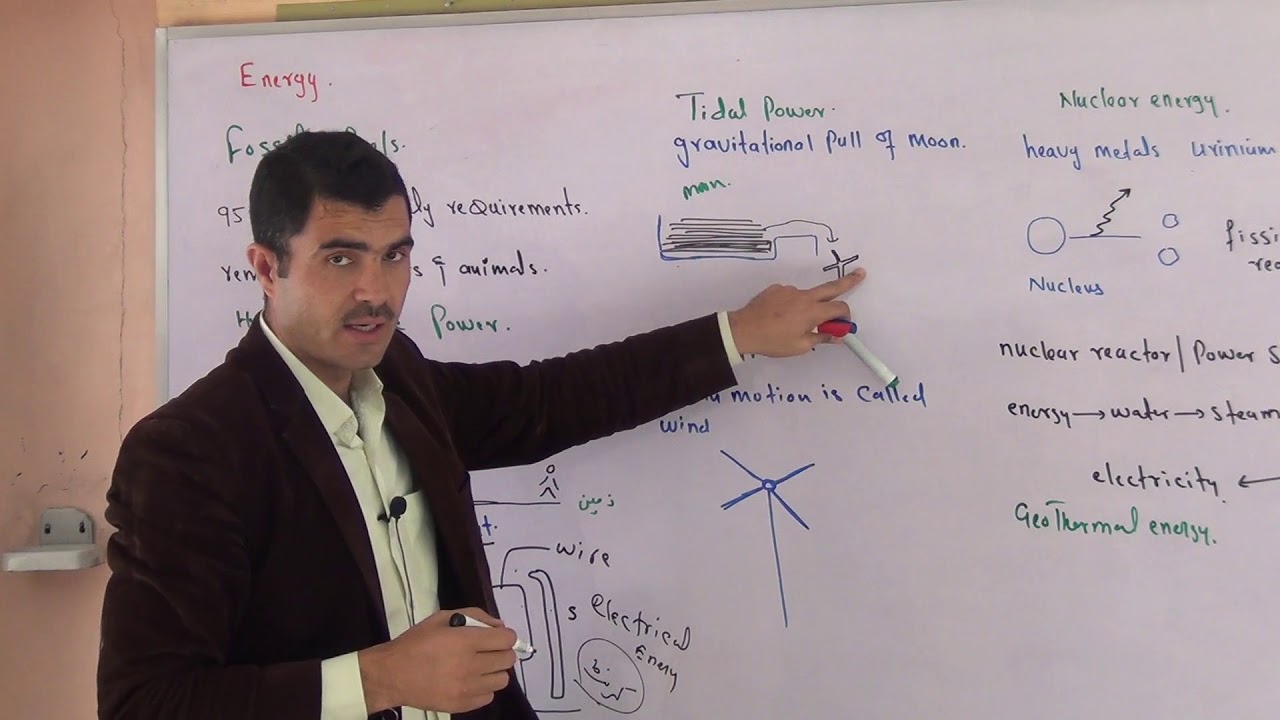
Ch.27 Lec 2 Renewable and Non. Renewable Resources Urdu/Hindi Lecture Fsc, MDCAT, NUMS, Bilal Ch.
Автор: Lecturer M Bilal Chaudhary
Загружено: 2020-08-31
Просмотров: 67295
Описание:
Channel Link Biology:-
/ @lecturermbilalchaudhary6369
Lec:- Muhammad Bilal Chaudhary (M. Phil Biology)
Govt. Postgraduate College Railway Road Shakargarh. Distt Narowal Punjab Pakistan.
Channel Link Physics:-
Physics Preparation (M. Phil Physics Quaid-i-Azam University Islamabad)
/ @physics-preparation
In this video you learn about.
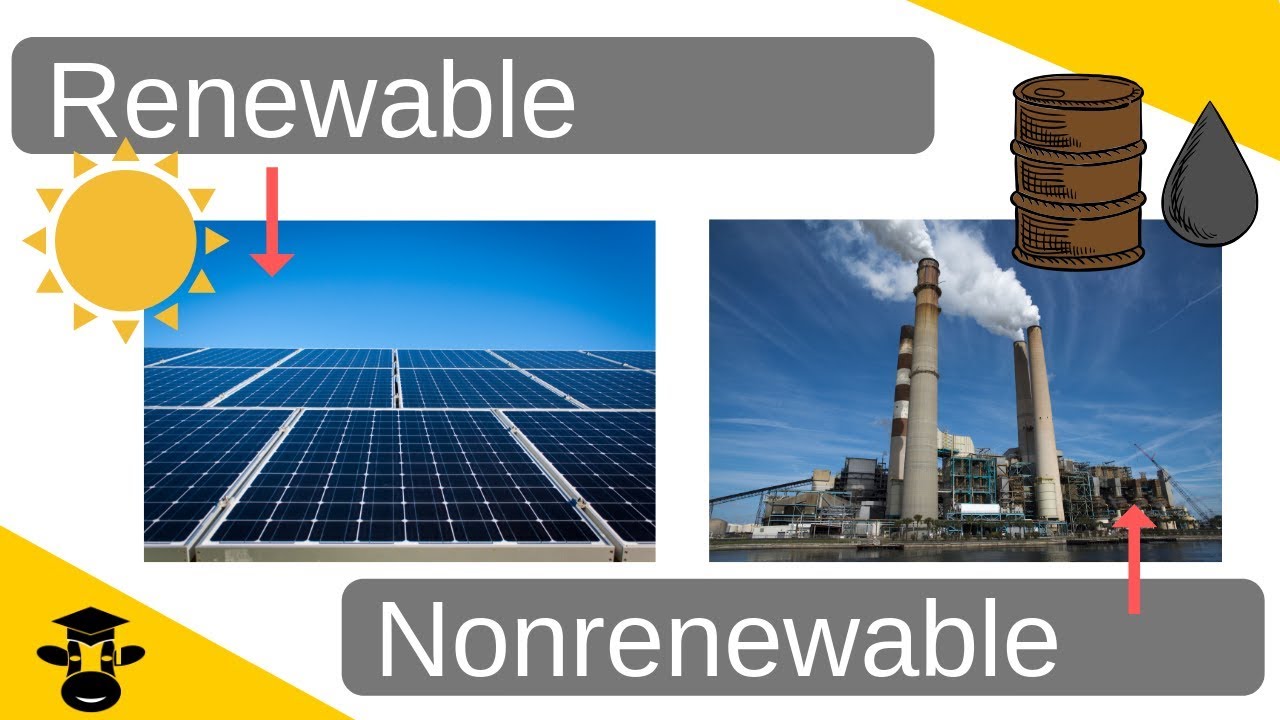
Renewable and non-renewable resources
Environmental resources are the primary sources
Environmental resources are the primary sources for the existence of humans. These resources are either renewable or non-renewable. Air, water food, land, forests and wild life are renewable resources because they are never depleted. they are recycled in nature. Non-renewable resources include various metals, non-metallic minerals and fossil fuels (coal oil and natural gas). these resources are exhaustible and once consumed cannot be replaced. In nature, there is no such thing as waste; dead materials decay and become food for other living things. this food is consumed, or decays and becomes food again. this is the nutrient cycle, the process that supplies food to living things. The balance in the nutrient cycle can be upset when : (1) not enough food is produced, (2) too much food is consumed, (3) decayed nutrients are not returned to the ground. all the resources necessary for life form a part of natural cycles. these cycles have no beginning and no end. the driving force behind all of these cycles is the sun. the earth is a self-sustained unit. we are in our own space ship. there is no chances of bringing in more resources. we have to use wisely what we have.
Introduction of Osmoregulation. Water relation in cell. Osmoregulation in plants. 1.Hydrophytes 2.Mesophytes 3.Xerophytes Each and every points also discuss with you. you must watch this video and share. some other important topic also discuss with you. like this. In this video you learn about. Introduction of Renewable and Non.Renewable Resources. Each and every step explain very well methods. Non Renewable Resources Explain very well methods. Air:- Detail explaination of Atmosphere. Composition of air. Define Nobel Gases. Water:- Freswater and Marine water ecosystem. Uses of water . Domestic and Agricultural uses. Land:- Function and composition of soil. Land abused.some people used land . You must watch and share with other each and every step explian. Introduction of some major ecosystem. Detail explaination of aquatic and terrestrial ecosystem. Properties of some major ecosystem. 1.Temperature 2.Light 3.Nutrients 4.Abundant water with energy . Each and every step explain very well methods. you must watch and share with other fellows. bcz i explain very very easy way. Another biology topic also explain. In this video you learn a bout. Introduction of Cloning of gene. Introduction of Pcr. Recombinant DNA technology. Four Step of Recombinant DNA technology. 1.Gene of intrust 2.Molecular scissor 3.Vector 4.Gene expression First two step i explain very well methods. Gene of interest. a.From chromosomes b.chemically c.From mRNA Molecular scissor:- 1970 Hamilton o smith. different enzyme used to cut fragment of DNA in palindromic sequence. Each and every step explain very well methods. your must watch and share with other fellows. n this video you learn about. Introduction of Polymerase chain Reaction. Kary B mullis 1983. Use of thermus aquaticus. Taq polymerase first time use in Biochemistry for te production of DNA. PCR hve three step. 1.Denaturing 2.Reannealing 3.Elongation
These All Chapters Also Discuss in this channel.
1. Introduction Of Biology
2. Biological Molecules
3. Enzyme
4. The Cell
5. Variety Of life
6. Kingdom Monera
7. Kingdom Protista
8. Kingdom Fungi
9. Kingdom Plantae
10. Kingdom Animalia
11. Bioenergetic
12. Nutrition
13. Gaseous Exchange
14. Transport
15. Homeostasis
16. Support And Movement
17. Co.Ordination And Control
18. Growth And Development
19. Reprodution
20. Chromosomes and DNA
21. Cell Cycle
22. Variation and Genetics
23. Biotechnology
24. Evolution
25. Eosystem
26. Some major Ecosystem
27. Man And his Environment
Each and every step explain very well methods.
Повторяем попытку...

Доступные форматы для скачивания:
Скачать видео
-
Информация по загрузке: