#Tasar
Автор: FarmFacts
Загружено: 2024-09-16
Просмотров: 101
Описание:
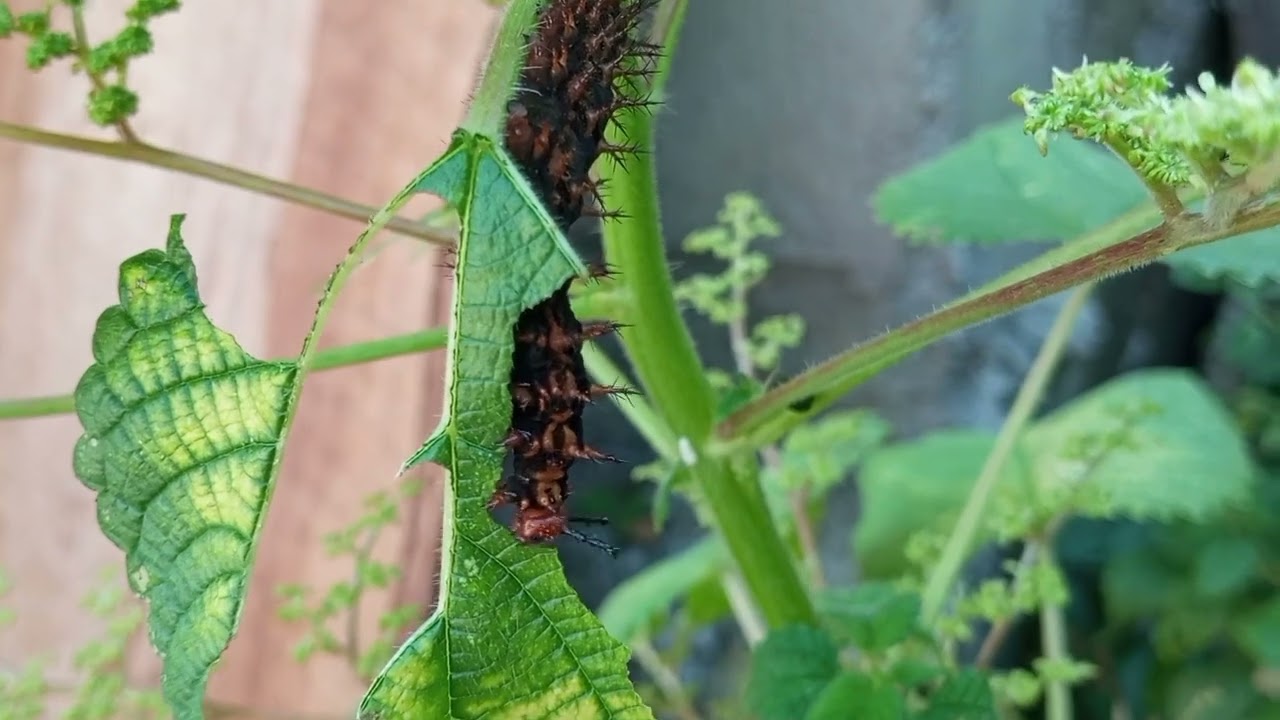
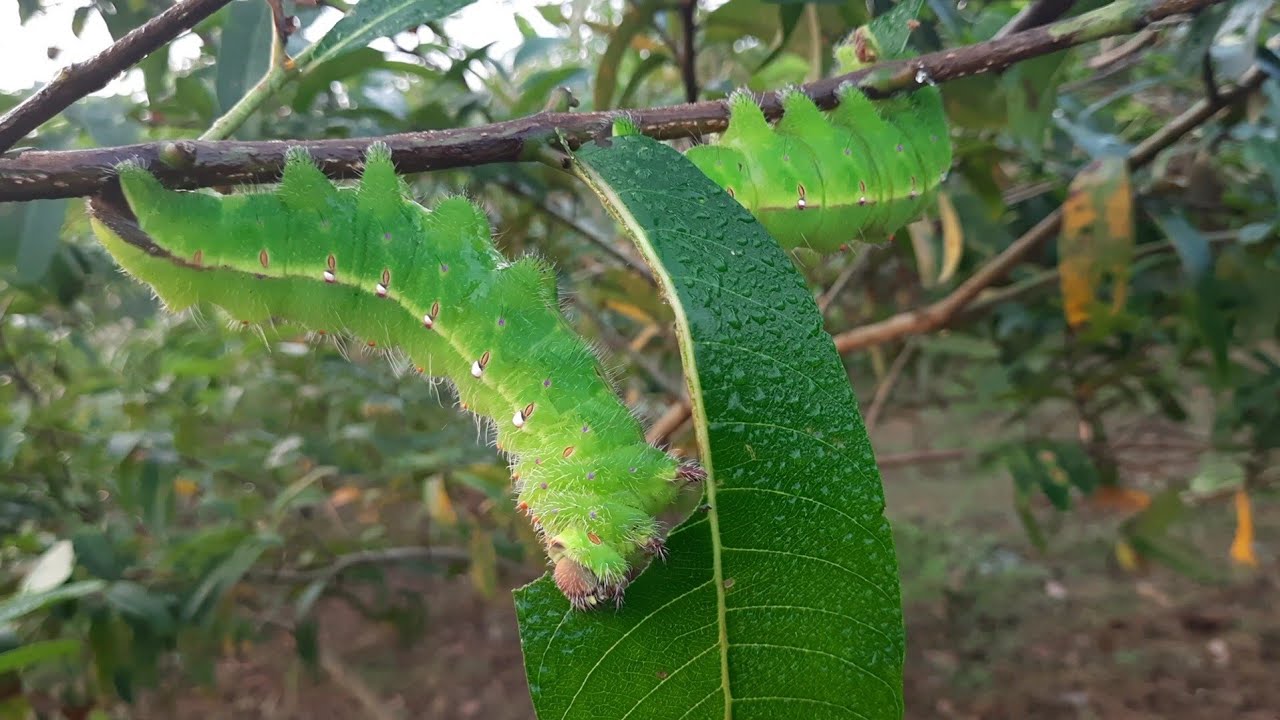
The tasar silkworm (Antheraea mylitta) is a species of silkworm native to India and parts of Asia. It is a significant producer of non-mulberry silk, also known as tasar silk or wild silk.
Some interesting facts about the tasar silkworm:
Life Cycle:
1. The tasar silkworm undergoes a complete metamorphosis, consisting of four stages: egg, larva, pupa, and adult.
2. The female lays eggs on host plants, and the larvae hatch after about 10-14 days.
3. The larval stage lasts around 20-25 days, during which the silkworm goes through five instars (stages of growth).
4. The pupal stage lasts about 14-16 days.
Host Plants:
1. Tasar silkworms feed on various host plants, including:
Terminalia arjuna (Arjun tree)
Terminalia tomentosa (Asna tree)
Shorea robusta (Sal tree)
Dalbergia latifolia (Indian rosewood)
Silk Production:
1. Tasar silk is known for its durability, strength, and unique texture.
2. The silkworm produces a single cocoon, which is harvested and processed to obtain the silk fibers.
3. Tasar silk production is mainly done in India, particularly in the states of Jharkhand, Chhattisgarh, and Odisha.
Conservation Status:
1. The tasar silkworm is listed as "Least Concern" on the IUCN Red List.
2. However, habitat loss, deforestation, and climate change pose threats to its population.
Economic Importance:
1. Tasar silk production provides livelihood opportunities for thousands of rural people in India.
2. The silk is highly valued for its quality and is used in traditional Indian textiles.
Повторяем попытку...
Доступные форматы для скачивания:
Скачать видео
-
Информация по загрузке: