Want to Live Longer? Stop Making These Common Eating Mistakes!
Автор: Paws of Compassion
Загружено: 2024-08-26
Просмотров: 42
Описание:
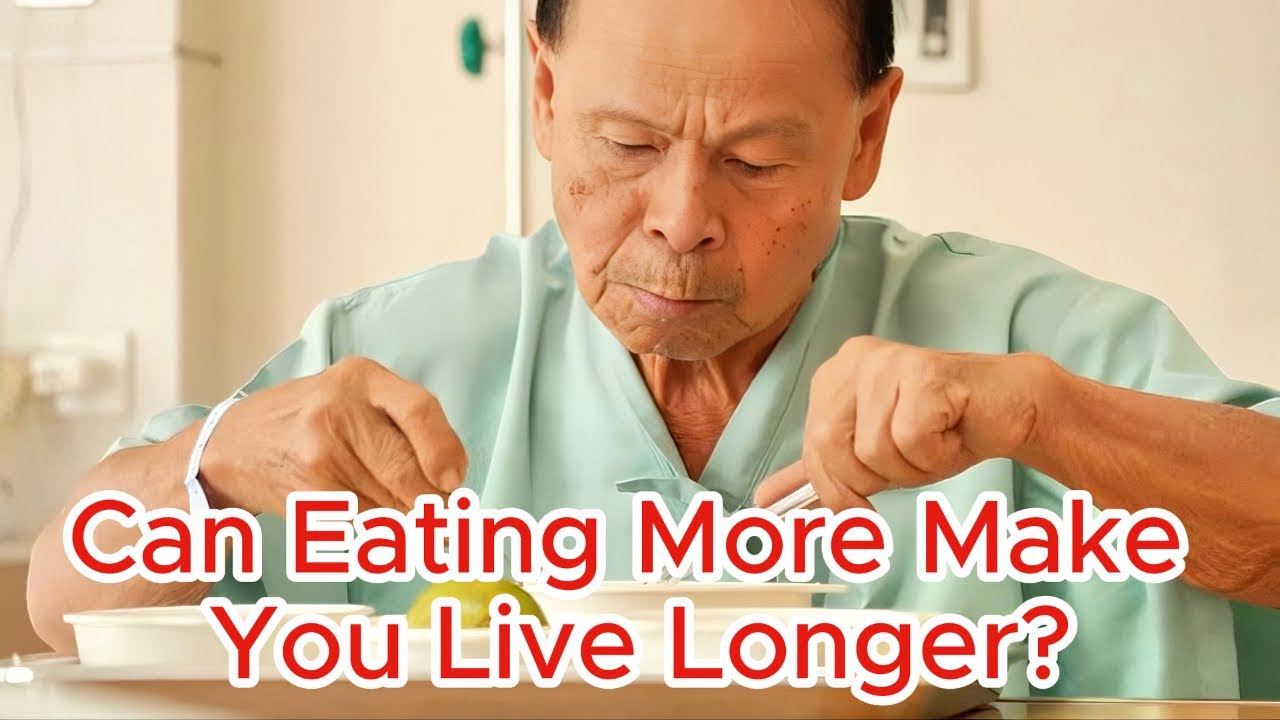
Is Longevity Really Linked to Eating Habits? Do Elderly People Who Eat More Live Longer? Fact or Fiction?
As people age, they become increasingly concerned about their longevity and health. The relationship between diet and lifespan has become a hot topic. Some say, "The more you eat, the longer you live." But is there any scientific basis for this claim?
Let’s imagine an elderly person who is passionate about gardening. His diet is rich in vegetables, fruits, and whole grains. He believes that such eating habits can help him maintain good health and extend his life.
However, his friend, also a retiree, has a different opinion. This friend believes that elderly people should eat more to ensure adequate energy and nutrition. He eats until he is full every day, hoping that this will make him live longer.
The gardening enthusiast maintains his weight within a healthy range, with ideal levels of blood pressure, blood sugar, and cholesterol.
Now, imagine an elderly man who eats to his heart’s content at every meal. Although he feels energetic, over time, he notices that his weight is gradually increasing, and he develops high blood pressure and type 2 diabetes, which heighten his risk of heart disease and other chronic conditions.
Additionally, considering that the digestive system degenerates with age, overeating can actually burden an elderly person’s body.
For example, there is a retired teacher who used to love cooking. However, he noticed that every time he indulged in a big meal, he would feel excessively bloated and struggle with digestion.
These examples illustrate that for the elderly, the correct amount of food and its quality are far more important than simply "eating more." Therefore, for elderly people, paying attention to the quality, variety, and quantity of food is key to maintaining health and prolonging life.
This is an important topic worth considering and practicing for elderly people who are concerned about their longevity and health. When discussing the relationship between an elderly person's food intake and lifespan, a common misconception is that "the more you eat, the longer you live."
Let’s consider another example: an elderly man who loves gourmet food and always has a hearty meal. As a result, he often feels overly full.
Over time, he begins to experience the side effects of overeating, including weight gain, gastrointestinal problems, and fluctuations in blood sugar levels.
On the other hand, an elderly woman who used to eat hearty meals also, after a health checkup, was advised by her doctor to reduce her food intake and optimize her diet.
A few months later, she noticed that her energy levels had become more stable, her sleep quality had greatly improved, and her weight had gradually returned to a healthy level.
Moreover, when the body consumes excessive amounts of food, it not only burdens the digestive system but may also lead to nutritional imbalances, affecting the body's metabolic functions.
For elderly people, controlling food intake, improving the quality of food, and choosing foods rich in essential nutrients are key to maintaining health and extending life.
Neither excessive hunger nor overeating is an ideal choice. Finding a balance that suits one’s health status is the key to truly enjoying a healthy and happy later life.
To better understand how to maintain the health and longevity of the elderly through proper diet, I will delve into some fictional examples to explore how elderly people should eat reasonably and how these dietary habits specifically impact their health and longevity.
Let’s start with a simple example: imagine an elderly woman who loves gardening and includes freshly grown vegetables and fruits in her daily diet.
These foods are rich in natural antioxidants, vitamins, and minerals, which help reduce chronic inflammation and prevent many age-related diseases.
Next, let’s look at another example: a retired elderly man who used to skip breakfast and often opted for convenient foods for lunch while overeating at dinner.
Upon his doctor’s advice, he started changing these unhealthy eating habits by balancing the nutrition of each meal, especially ensuring a nutritious breakfast every morning, such as whole grains paired with low-fat protein, eggs, and low-fat dairy products.
He found that this change significantly boosted his overall energy levels, reduced his afternoon fatigue, and helped him decrease his dinner intake, which is beneficial for weight control and improving sleep quality.
Additionally, considering the impact of gut health on overall health, let’s focus on an elderly person who often suffers from indigestion. Under the guidance of a nutritionist, he began to increase his intake of fermented foods such as yogurt and kimchi, which are rich in prebiotics and probiotics that help improve the gut microbiome, enhancing digestive function and the immune system.
Повторяем попытку...
Доступные форматы для скачивания:
Скачать видео
-
Информация по загрузке:


![5 Golden Habits for Healthy Aging After 70 and Living Longer Naturally![advice for seniors]](https://image.4k-video.ru/id-video/sLt4qISFhgo)


