Shankar IAS Environment Ch2 | FUNCTIONS OF AN ECOSYSTEM | Energy Flow, Nutrient Cycles, Succession
Автор: Simplified UPSC by पठति पठत: पठन्ति!
Загружено: 2026-01-03
Просмотров: 50
Описание:
Welcome to Simplified UPSC by पठति पठत: पठन्ति! In this comprehensive discussion, we'll decode the fundamental processes that govern the natural world, focusing on Chapter 2 from the essential Shankar IAS Environment textbook (8th Edition). This session delves into the crucial "Engine Room" of ecology, breaking down concepts vital for both UPSC Prelims and Mains (GS Paper 3).
Key processes covered include:
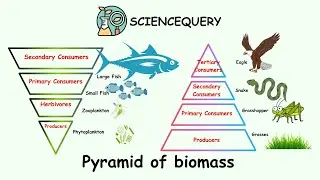
1. *Energy Flow:* We analyze the one-way flow of energy, the significance of the 10% Law (Thermodynamics), and the contrast between the Grazing Food Chain and the critical, often invisible, Detritus Food Chain. We also explore Ecological Pyramids (Pyramid of Numbers, Biomass, and the invariably upright Energy Pyramid).
2. *Ecosystem Interactions:* Understanding Biotic Interactions (like Mutualism, using the example of Coral Reefs) is crucial. We detail the serious environmental consequences of pollutants through Bioaccumulation and Biomagnification, referencing historical events like the DDT effect.
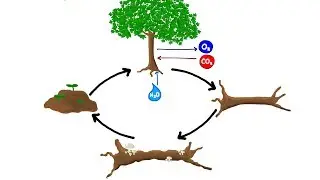
3. *Nutrient Cycling (Biogeochemical Cycles):* We meticulously map the movements of essential elements, differentiating between fast Gaseous Cycles (Carbon, Nitrogen) and slow Sedimentary Cycles (Phosphorus). Special focus is given to human interference (Fossil fuels in the Carbon Cycle, Fertilizers causing Eutrophication in the Phosphorus Cycle) and the role of key bacteria (e.g., Rhizobium) in Nitrogen Fixation.
4. *Ecosystem Dynamics:* Finally, we examine how ecosystems change over time through Ecological Succession—distinguishing between Primary Succession (starting from barren land) and Secondary Succession (rebuilding after disturbance).
This detailed analysis ensures you gain the conceptual clarity required to tackle complex analytical questions on ecosystem resilience and anthropogenic impacts.
*Join our Community for Notes and Practice:*
https://t.me/simplifiedupscbyppp
Like, Share, and Subscribe to Simplified UPSC by पठति पठत: पठन्ति! for more high-quality, comprehensive UPSC preparation content.
📝 SUMMARY 📝
This video, part of the Shankar IAS Environment series, provides a deep dive into the four core functions of an ecosystem: Energy Flow, Biotic Interactions, Nutrient Cycling, and Ecological Succession. It explains the unidirectional nature of energy flow (10% Law), contrasts grazing and detritus food chains, and analyzes ecological pyramids (including inverted pyramids of number and biomass). The lecture covers the impact of pollutants via bioaccumulation and biomagnification, details gaseous (Carbon, Nitrogen) and sedimentary (Phosphorus) biogeochemical cycles, and concludes with the mechanisms of primary and secondary ecological succession, highlighting their critical relevance for the UPSC examination.
⏰ TIMESTAMPS ⏰
01:12 - Energy Flow: The Fuel of the Ecosystem
01:31 - Energy Flow is a One-Way Street (Thermodynamics)
02:05 - Grazing vs. Detritus Food Chains (The Invisible Ecosystem)
03:42 - Visualizing Energy Flow: Ecological Pyramids
03:59 - When Pyramids are Inverted (Number & Biomass)
04:56 - Why the Energy Pyramid is Always Upright (The 10% Law)
06:14 - Biotic Interactions: Friendship and Rivalry
07:01 - Pollutants in the System: Bioaccumulation and Biomagnification
08:35 - Nutrient Cycling (Biogeochemical Cycles)
09:06 - Gaseous Cycles vs. Sedimentary Cycles
09:39 - The Carbon Cycle: Human Interference
10:22 - The Complex Nitrogen Cycle (Nitrogen Fixation & Bacteria)
11:45 - The Slow Phosphorus Cycle & Eutrophication
12:53 - Ecosystem Dynamics: Ecological Succession
13:25 - Primary Succession vs. Secondary Succession
15:40 - UPSC Analytical Questions & Interconnections
#UPSC #Environment #GS3 #Prelims2026 #ShankarIAS #Ecology #Biodiversity #ClimateChange #IndianForestService #UPSCEnvironment #Mains2026 #UPSCPreparation #IAS #IPS #CivilServices #SimplifiedUPSC #EcosystemFunctions #EnergyFlow #NutrientCycles #EcologicalPyramids #Succession #CarbonCycle #NitrogenCycle #PhosphorusCycle #Bioaccumulation #Biomagnification #10PercentLaw #FoodChain #DetritusFoodChain #BioticInteractions #Mutualism #Eutrophication #PrimarySuccession #SecondarySuccession #Rhizobium #UPSC2025 #UPSC_IAS #Ecosystem #EcologyBook #ShankarIAS8thEdition #UPSC_Ecology #IAS_Exam #CivilServicesExam #EnvironmentalScience #UPSCNotes #UPSCVideo #EcologyBasics #EnvironmentAndEcology #Thermodynamics #UPSCAnalysis
Повторяем попытку...
Доступные форматы для скачивания:
Скачать видео
-
Информация по загрузке: