LIVE Q&A: Your Questions on Emotional & Economic Intelligence Answered | Yousef and Elizabeth Ugo
Автор: ADollarClass Inc.
Загружено: 2025-12-08
Просмотров: 14
Описание:
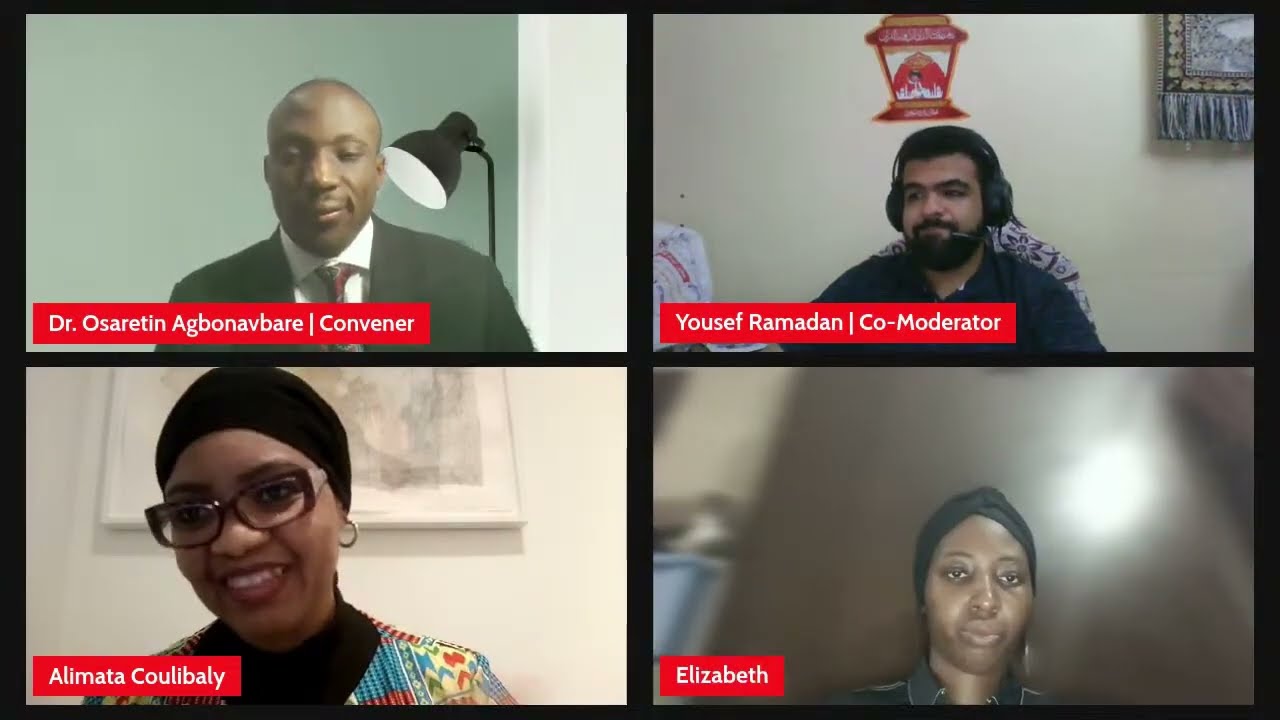
In this dynamic, unscripted Q&A session, co-moderators Yousef Ramadan and Elizabeth Ugo facilitate a direct dialogue between our global audience and the summit's expert speakers. Dive into practical, nuanced answers on topics ranging from business acquisition and mental wellness to AI ethics and heart-centered mentorship. This session captures the raw, collaborative spirit of the summit, offering actionable insights and deepening the conversation on building emotional and economic intelligence in today's world.
📋 Detailed Timestamps:
INTRODUCTION & MODERATION
0:03 – Yousef Ramadan introduces the Q&A session.
0:15 – First question for Joseph Simmons on evaluating a business to buy.
JOSEPH SIMMONS (Entrepreneurship Through Acquisition)
0:47 – Q1 (David Chen): The first "green flag" metric when evaluating a small business. A: Cash Flow & Customer Diversity.
14:55 – Q2 (Marcus Tone): Is buying a business safer than a startup? A: Statistical comparison & the "Park Avenue" analogy.
17:38 – Q3 (Dr. Osaretin): Key considerations before buying a business. A: Skills transfer, strategic advisors, and scaling for community impact.
19:51 – Q4 (Dr. Osaretin): Franchise vs. Buying a Business. A: Structure vs. Flexibility.
21:12 – Q5 (Dr. Osaretin): Online vs. Offline (Brick & Mortar) Business Acquisition. A: The need for scale and community employment.
37:13 – Q6 (Emily Rotova): Mindset shift from specialist (pharmacist) to generalist business owner. A: Vision, Target Audience, Execution.
41:30 – Q7 (James O'Connell): Financing acquisition without massive personal savings. A: Collaboration, Equity Stakes, and the $10T market opportunity.
52:19 – Q8 (Sarah Jenkins): Difference between Economic Intelligence and standard Financial Literacy. A: "Managing a checkbook" vs. the dynamic "cascade" of growing an entity like Amazon.
ANNETTE PEARSON (Mental Wellness & Safe Spaces)
2:33 – Q1 (Linda Martinez): Distinguishing unmotivated students from those paralyzed by trauma/anxiety. A: Relationship-building and identifying root causes.
12:10 – Q2 (Fatima Say): Does a safe space mean lowering standards? A: No—it raises achievement through trust and high expectations.
24:58 – Q3 (Joan Jackson): Does sharing emotions with young people make you look weak? A: Vulnerability within strong relationships teaches resilience.
27:40 – Q4 (Greg Poland): Cultivating a supportive environment in remote learning. A: Cameras on and intentional relationship-building.
29:02 – Q5 (Dubius): Quick technique to de-escalate shame from a mistake. A: Peer help and normalizing errors as learning tools.
30:33 – Q6 (Casey MSW): How to portray your inner voice. A: Connecting to values and conscience.
BABACAR J. DIOP (Financial Literacy & Digital Earning)
4:24 – Q1 (Beatric Callu): Most successful digital earning avenues in developing regions. A: FinTech (money transfer) and E-commerce.
JESSICA RICE (Heart-Centered Mentorship)
6:36 – Q1 (Kevin Hartwell): Practicing heart-centered mentorship with a closed-off person. A: Centering yourself, deep curiosity, and patience.
43:47 – Q2 (Priyanka Patel): Helping a mentee build resilience after major failure. A: Grace, multi-perspective analysis, and celebrating wins.
46:19 – Q3 (Daniel Rosie): Can courage be taught systematically? A: Courage comes from action; moving through fear triggers the brain's reward cycle.
ALIMATA COULIBALY (Peacebuilding, AI & Global Skills)
8:29 – Q1 (Johan Lebrit): Does AI-powered chat risk reducing human empathy? A: Using AI ethically as a tool for global access, not a replacement.
31:58 – Q2 (Lee): Teaching structured dialogue without imposing one cultural communication style. A: AI as a global bridge that respects personal and cultural context.
34:32 – Q3 (Hannah Baker): First step in peacebuilding for a high-stakes conversation. A: Inner peace, involving women, and AI as a tool for broader understanding.
48:54 – Q4 (Maria Gonzalez): Why is expanding emotional vocabulary so important? A: Enables global communication, reduces fear of vulnerability, and fosters empathy.
FINAL REMARKS FROM SPEAKERS
58:36 – Joseph Simmons: "Take action. Take it today."
59:30 – Jessica Rice: Honor the person behind the work; help them become who they are meant to be.
1:00:01 – Annette Pearson: "Be real with our young people... use challenges as stepping stones."
1:00:33 – Alimata Coulibaly: Use AI ethically and effectively to build emotional and economic stability for a peaceful future.
🔗 Connect with ADollarClass:
► Website: www.adollarclass.com
► LinkedIn: /adollarclass
► YouTube: /@adollar_class
► Facebook: /adollar_class
► Instagram: /adollar_class
► X (Twitter): www.x.com/adollar_class
► TikTok: /adollar_clas
Повторяем попытку...
Доступные форматы для скачивания:
Скачать видео
-
Информация по загрузке: