Why Gen X is different?
Автор: Simply Explained
Загружено: 2026-02-09
Просмотров: 79
Описание:
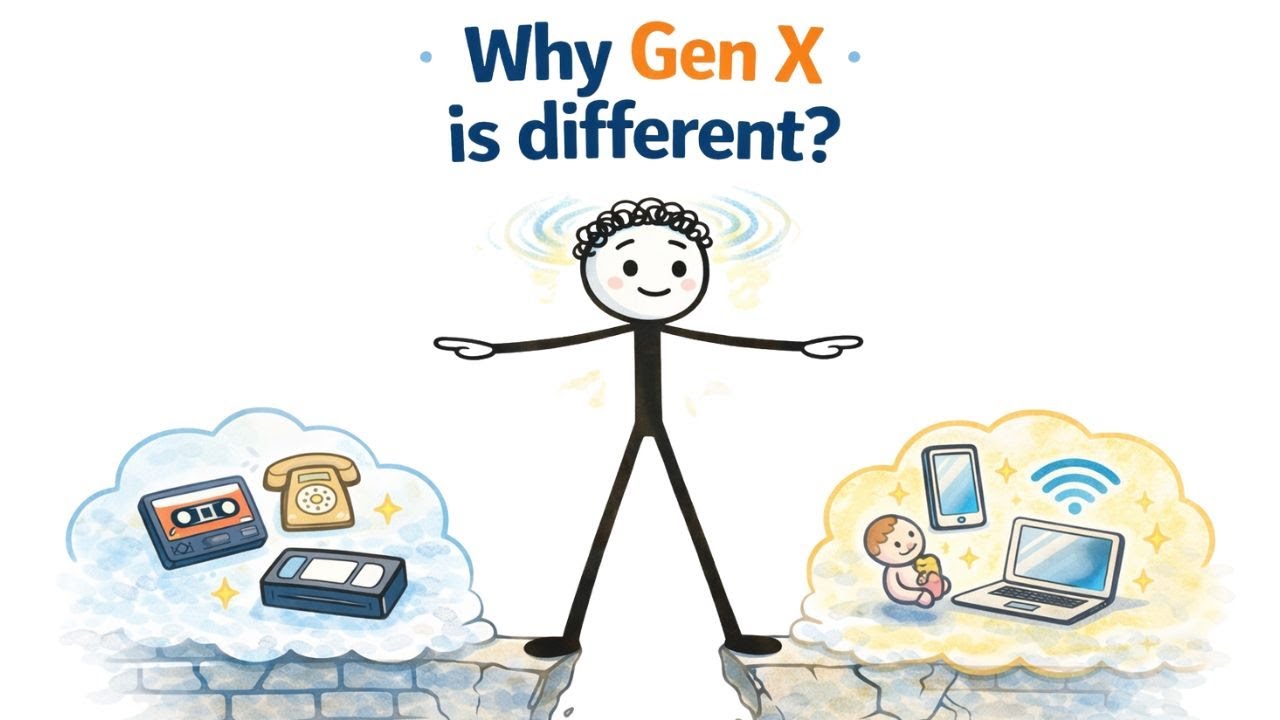
Why does it so often feel like Gen X is quietly left out of every generational conversation? While Boomers lead discussions and Millennials and Gen Z shape culture, Gen X keeps everything running behind the scenes—steady, capable, and rarely acknowledged.
In this video, we dive into the psychology behind Generation X—their latchkey upbringing, their emotional patterns, and the quiet strength that defines them. You’ll learn why Gen X often feels unseen, why they rarely ask for support, and how their practical adaptability became a stabilizing force in workplaces and families. By the end, you’ll understand the deeper story behind their “silent resilience.”
• Baby Boomers (Born ~1946–1964)
The post–World War II generation, known for growing up during economic expansion, strong institutions, and traditional values.
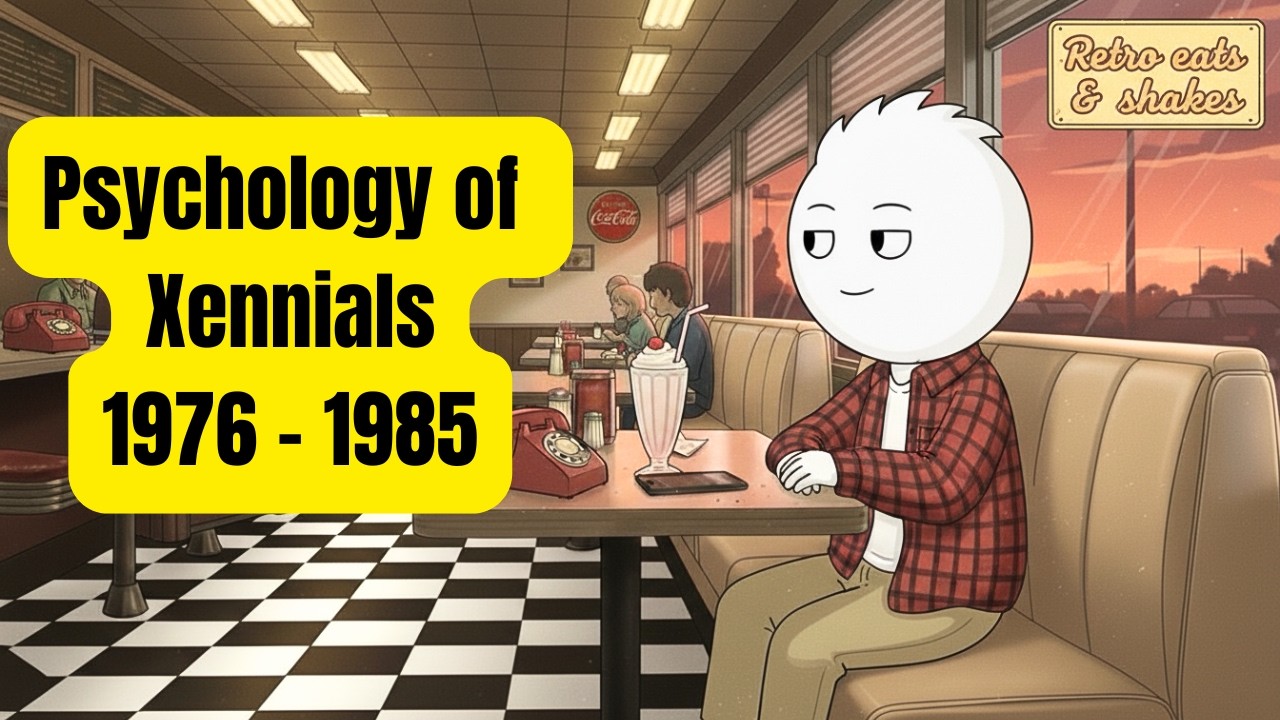
• Generation X – Gen X (Born ~1965–1980)
Often called the “latchkey generation,” they grew up during social change, rising divorce rates, and early technology—developing independence, adaptability, and a practical mindset.
• Millennials – Gen Y (Born ~1981–1996)
The first generation to grow up with the internet. Known for valuing purpose, connection, flexibility, and self-expression.
• Gen Z (Born ~1997–2012)
The fully digital-native generation—shaped by smartphones, social media, and rapid cultural shifts. Known for openness, activism, and tech fluency.
YOU’LL LEARN:
• Why Gen X is often called the “middle child” of generations
• How latchkey childhood shaped emotional independence
• Psychological reasons Gen X rarely shows vulnerability
• Why Gen X adapts so well to both analog and digital worlds
• The hidden pressures and expectations Gen X carries today
• How their resilience influences modern workplaces and families
• What younger generations can learn from Gen X’s practical mindset
This video shines a clear, empathetic light on Generation X—beyond stereotypes and silence. Whether you are Gen X or someone trying to understand them, you’ll gain insight into their emotional blueprint, their adaptability, and their often-overlooked impact on modern life.
Who Should Watch:
• Anyone born between the mid-60s and early 80s
• Millennials or Gen Z wanting to understand Gen X parents, friends, or coworkers
• Viewers interested in generational psychology
• Anyone who has ever felt responsible but unnoticed
• People curious about how childhood environments shape adult behavior
REFERENCES
This video draws on established research and psychological perspectives, including:
• Jean Twenge – studies on generational traits and psychology
• Strauss & Howe – generational theory
• American Psychological Association – research on childhood environments and adult emotional patterns
DISCLAIMER
This video is for educational and informational purposes only. It is not psychological advice and should not replace professional mental-health support. All insights reflect general patterns and may not apply to every individual. No generation is better or worse—each is shaped by its own context and experiences.
Повторяем попытку...
Доступные форматы для скачивания:
Скачать видео
-
Информация по загрузке: